Creative Ideas on How to Gift Wrap a Tee Shirt Beautifully
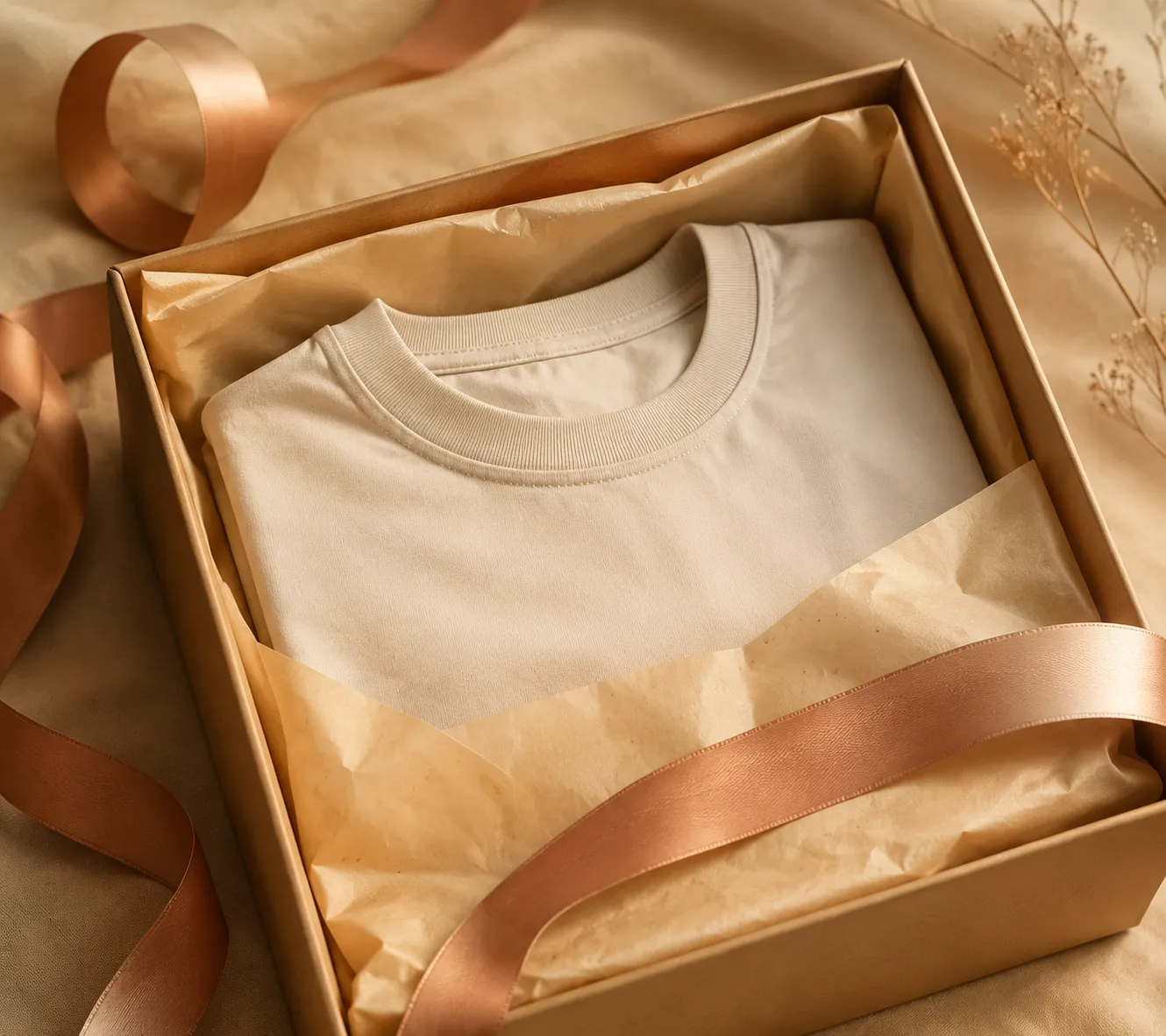
Wrapping a tee shirt may seem simple, but soft clothing creates unique challenges compared with rigid gifts. Fabric shifts easily, folds can become uneven, and traditional wrapping methods often leave the package looking messy. Learning the right folding and packaging techniques helps you create a clean, attractive gift that feels carefully prepared.
A neatly wrapped tee shirt can transform an everyday item into a thoughtful present. The right combination of smooth folds, quality materials, and creative details can make even a basic cotton shirt feel like a premium gift from a boutique store.
You do not need advanced wrapping skills to achieve impressive results. With a few practical steps, such as preparing the shirt properly, choosing suitable packaging, and using tissue paper effectively, you can create a polished presentation that adds excitement before the gift is opened.
Contents
Why Presentation Matters When Gifting Clothing
Giving someone a tee shirt is about more than the item itself. Clothing often represents personality, memories, interests, or a shared connection between people. The way the gift is presented creates the first emotional impression before the recipient even sees the shirt inside.
Thoughtful packaging can increase the feeling of value and care. A simple shirt placed inside a well-designed package can feel more special because the recipient notices the time and effort invested in the experience, not just the product itself.
Because tee shirts are flexible fabrics, proper wrapping also serves a practical purpose. A structured fold, supportive tissue paper, or suitable box helps prevent wrinkles and keeps the gift looking organized. These small details create a smoother unboxing experience and show genuine attention.
Great wrapping communicates appreciation without needing extra words. The package itself becomes part of the message, showing that the person receiving the gift was worth the effort behind every detail.
Folding the Shirt Neatly Before Wrapping Begins
Before any wrapping paper enters the picture, the folding process matters most. A poorly folded tee shirt creates chaos later. Uneven folds produce bulky corners, wrinkled fabric, and awkward package shapes that are difficult to wrap neatly. It is a little like trying to frost a cake that was never baked evenly in the first place. The foundation determines the outcome.
Start by laying the shirt flat on a clean surface. Smooth out every wrinkle with your hands. If the shirt arrived folded from a store, consider lightly steaming or ironing it first. This small step instantly improves the final presentation. Then fold the sleeves inward toward the center. Most professional retail stores use what is commonly called the “retail fold method,” which creates a slim rectangular shape perfect for boxes or layered tissue wrapping.
The Retail Fold Method
- Lay the shirt face down.
- Fold each side inward evenly.
- Fold sleeves back neatly.
- Fold the bottom upward in thirds.
- Flip carefully while keeping edges aligned.
This creates a compact and symmetrical fold that looks professional immediately. Retail packaging relies heavily on symmetry because the human eye naturally associates clean alignment with quality.
The Compact Box Fold
If you are using a smaller gift box, use a tighter fold. Fold the sides inward first, then fold the shirt into a square rather than a rectangle. Place a thin cardboard insert beneath the shirt if you want a truly department-store appearance. Many luxury retailers use this exact technique to maintain structure during transport.
Some online discussions about clothing gift wrapping recommend using lightweight cardboard or tissue layering specifically for awkward shapes. This prevents bunching and keeps the shirt stable inside bags or boxes.
The goal is not perfection worthy of a fashion magazine. The goal is stability, smoothness, and clean lines. Once those are achieved, wrapping becomes dramatically easier.
Read More: How to Make a Big Paper Box
Gift Wrap Styles That Work Best for Soft Clothing
Read More: How to Make a Rectangular Box Out of Paper
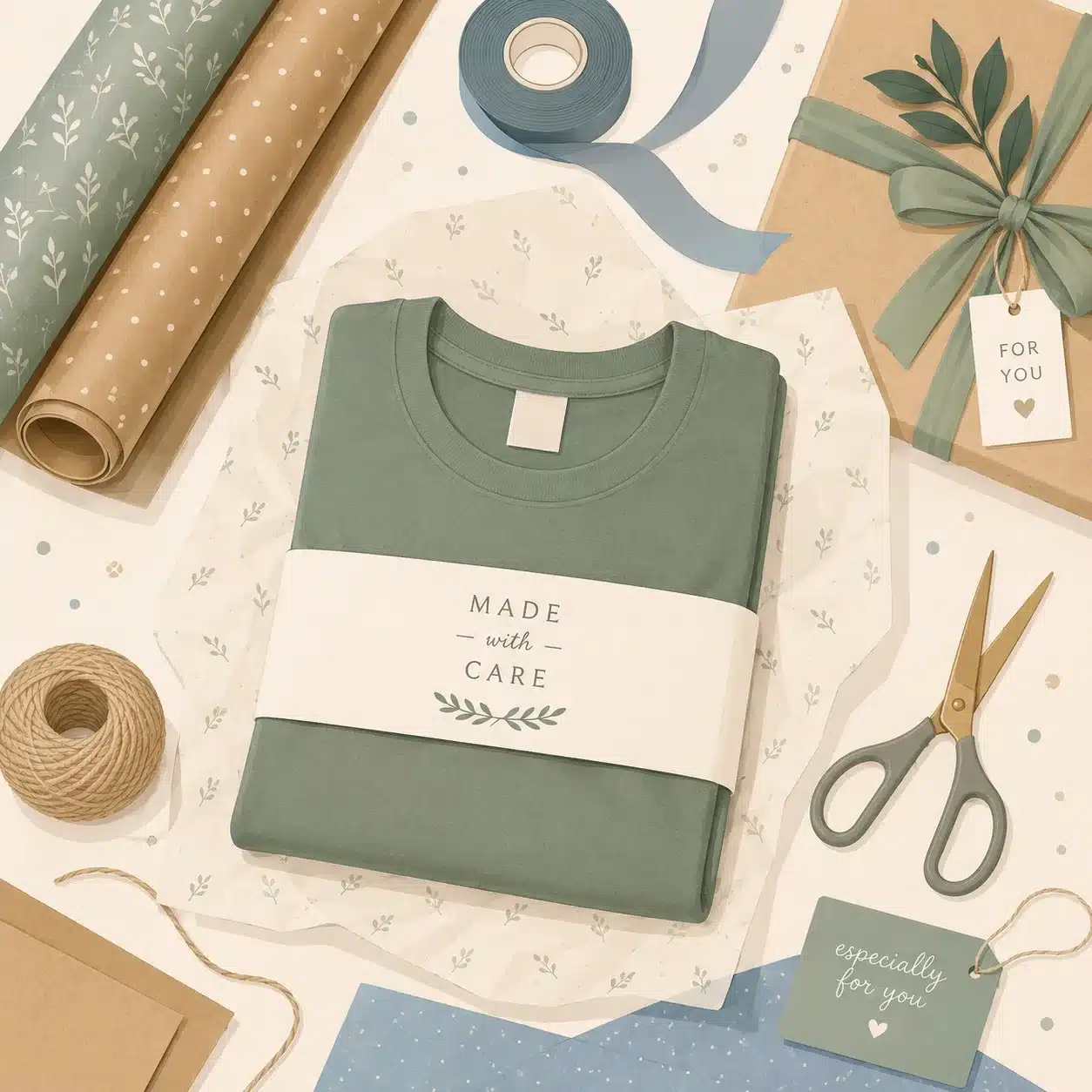
Soft gifts require different wrapping strategies than hard items. A tee shirt does not naturally hold shape, which means the wrapping style must compensate for that flexibility. Choosing the correct wrapping method can mean the difference between a polished package and something that looks hastily stuffed together five minutes before the party.
Traditional wrapping paper still works beautifully for clothing, especially when combined with structure underneath. Placing the folded shirt inside a shallow gift box instantly creates clean edges that are easier to wrap. According to premium wrapping paper experts, heavier paper weights around 80–95 GSM resist tearing and create smoother folds around boxed items.
Minimalist wrapping styles are especially popular in 2026. Matte kraft paper, neutral tones, black satin ribbons, and subtle tags are dominating modern gift aesthetics. Instead of overwhelming the gift with glitter and oversized bows, minimalist wrapping focuses on texture and balance.
Boutique-inspired layered wrapping has also become increasingly trendy. This technique combines several materials together:
| Wrapping Element | Purpose | Best Use |
|---|---|---|
| Tissue Paper | Adds softness and protection | Inside boxes or bags |
| Matte Wrapping Paper | Creates clean exterior finish | Premium presentation |
| Satin Ribbon | Adds elegance | Holidays and birthdays |
| Kraft Paper | Eco-friendly aesthetic | Minimalist gifting |
| Fabric Wraps | Reusable and sustainable | Luxury or eco-conscious gifts |
Fabric wrapping methods inspired by Japanese furoshiki techniques are becoming more popular because they combine sustainability with visual sophistication. Reusable cloth wraps transform the wrapping itself into part of the gift experience.
The wrapping style should match the occasion. A birthday gift might feel playful with bold patterns and colorful ribbons, while a corporate gift works better with restrained tones and structured presentation. Wrapping is visual storytelling, and every detail contributes to the mood.
Tissue Paper Techniques That Add Shape and Support
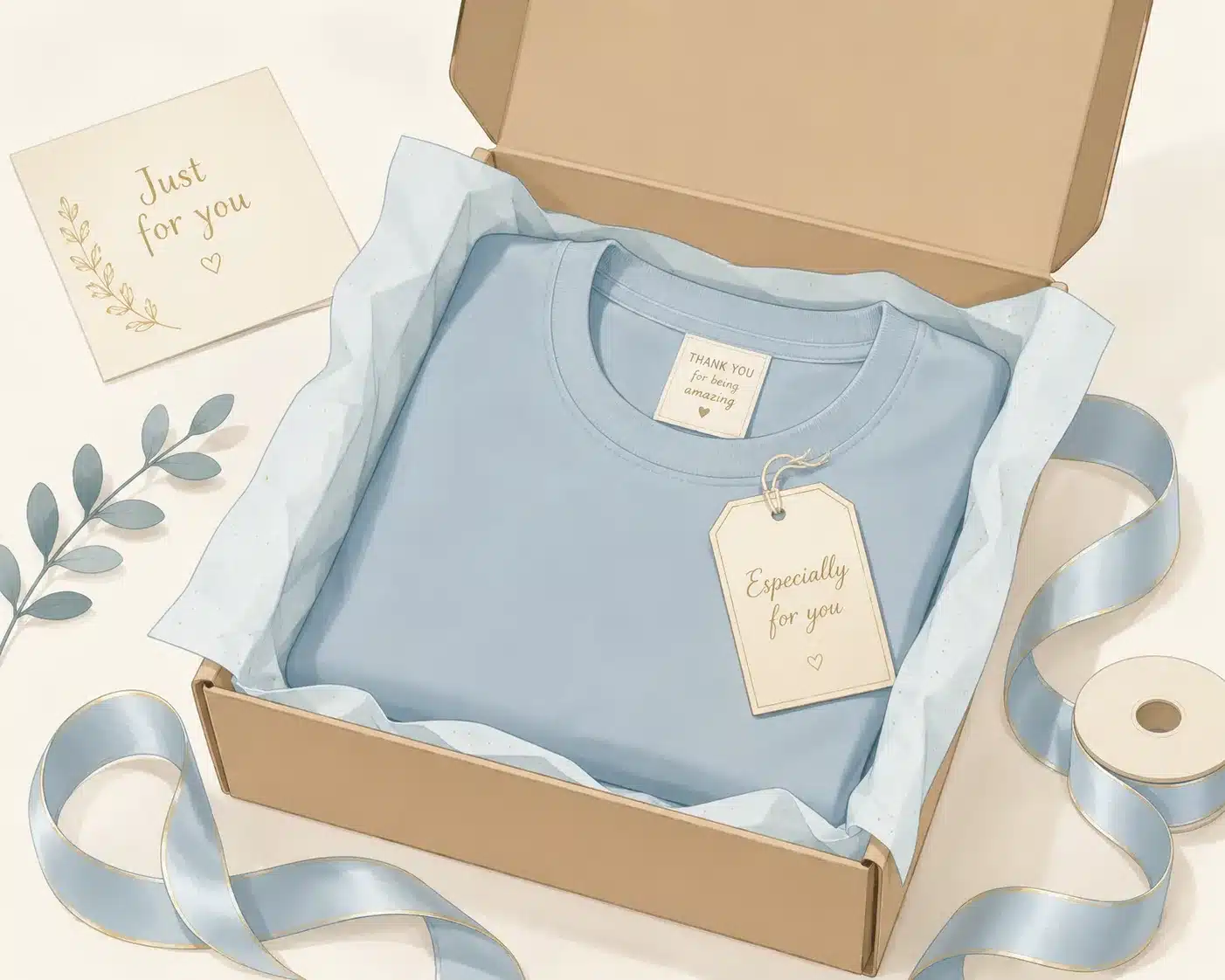
Tissue paper is the unsung hero of clothing gift wrapping. Most people think it is purely decorative, but it actually performs several important functions at once. It protects fabric, reduces wrinkles, fills empty space, and adds visual softness to the package. Without tissue paper, clothing gifts often look flat and lifeless.
The key is layering correctly. Place one or two sheets beneath the folded shirt and another sheet over the top before placing it inside a box or bag. Fold the edges gently inward instead of crumpling aggressively. Modern packaging experts emphasize crisp but soft folds because they create a cleaner presentation while reducing waste.
For gift bags, the classic “pinch method” remains one of the best techniques. Lay tissue paper flat, pinch the center lightly, then allow the corners to fall naturally. Place the pinched end downward into the bag so the top fans outward elegantly. Reddit users discussing professional-looking gift bags repeatedly recommend this method because it creates fullness without looking messy.
You can also use tissue paper strategically to create structure. For example:
- Add tissue beneath folded sleeves to prevent collapse.
- Use layered sheets to support oversized shirts.
- Place tissue around edges inside boxes for stability.
- Combine tissue with cardboard inserts for luxury presentation.
Tissue paper has evolved beyond simple decoration in recent years. Some premium packaging brands now use scented tissue paper, textured tissue, or reusable decorative sheets to elevate the unboxing experience.
The trick is moderation. Too much tissue creates bulk and clutter. Too little tissue leaves the package feeling unfinished. A balanced amount adds dimension while still allowing the shirt to remain the star of the presentation.
Creative Ways to Make a Simple Package Feel Special
Sometimes the smallest details create the strongest emotional impact. A plain tee shirt can suddenly feel deeply personal with the right finishing touches. Think about how restaurants garnish meals. The garnish is not the main dish, but it changes the entire experience visually and emotionally.
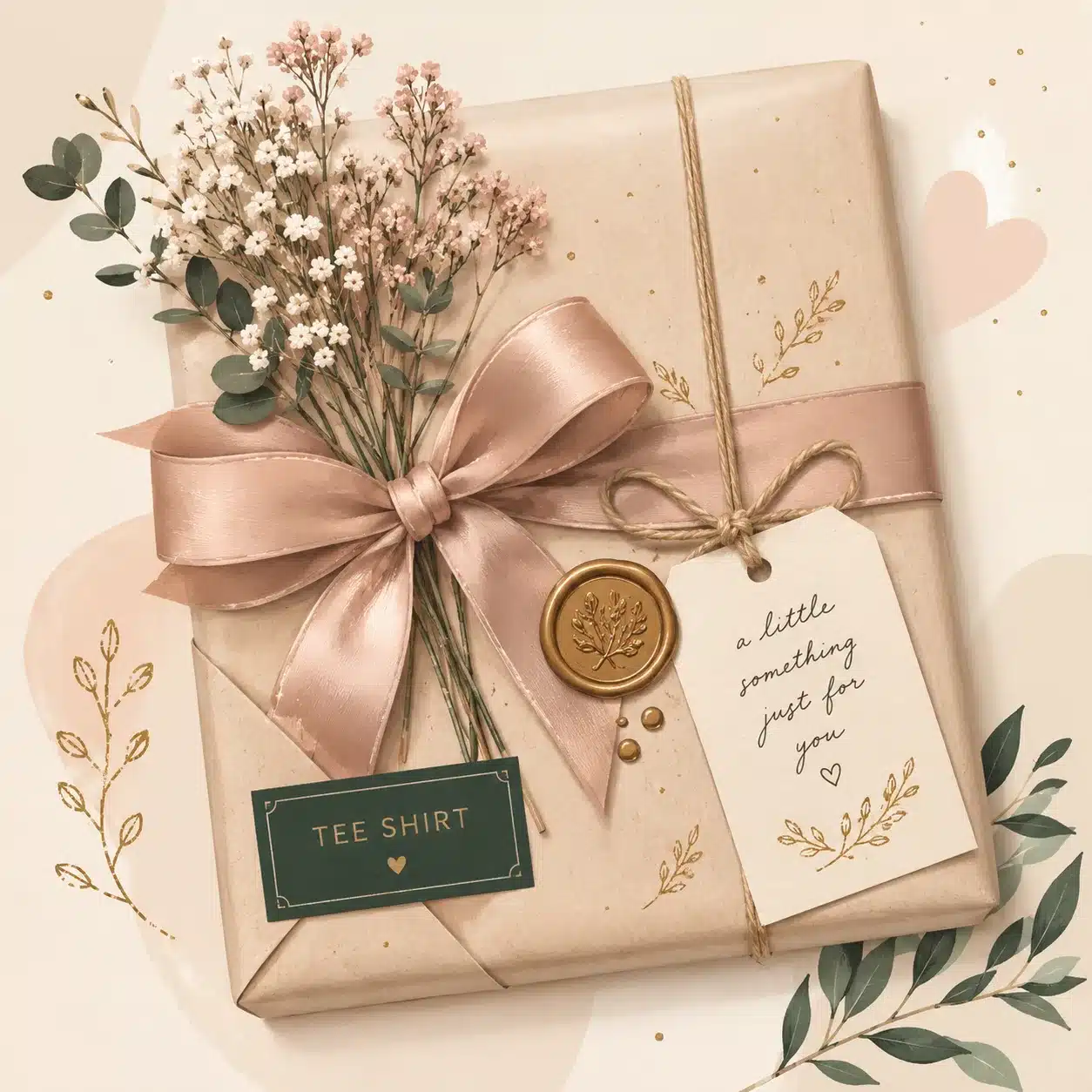
Handwritten tags instantly add warmth. Instead of generic printed labels, try writing a short message or inside joke connected to the shirt. If the shirt relates to a hobby or fandom, incorporate subtle themed elements into the wrapping. Music-inspired stickers, travel-themed twine, or minimalist sports icons can personalize the package without overwhelming it.
Layering textures is another powerful technique. Matte wrapping paper paired with velvet ribbon creates visual contrast that feels sophisticated. According to luxury packaging trend reports, layering multiple materials is one of the defining characteristics of premium gifting in 2026.
Sustainability also plays a growing role in modern gift presentation. Many people are replacing disposable wrapping with reusable bags, cloth wraps, or recyclable kraft paper. Online discussions about sustainable wrapping show strong enthusiasm for reusable fabric wraps and long-lasting gift bags that can circulate among family members for years.
Some creative additions include:
- Wax seals for vintage elegance
- Dried flowers attached with twine
- Personalized QR codes linking to video messages
- Fabric ribbons instead of synthetic bows
- Monogrammed gift tags
Recent packaging trends also highlight the rise of personalized wrapping experiences, including custom colors, names, and event-specific themes.
A gift does not need to look expensive to feel meaningful. It simply needs to feel intentional.
Recommended Reading: Last Minute DIY Gifts for Friends
Related Articles: DIY Gifts Under Five Dollars
Using Boxes, Bags, or Fabric Wraps for Different Occasions
Different occasions call for different packaging strategies. Wrapping a tee shirt for a casual birthday party is completely different from presenting one at a wedding event, holiday gathering, or luxury corporate exchange. Choosing the correct container matters almost as much as the wrapping itself.
Gift boxes remain the easiest option for wrinkle-free presentation. A structured box keeps the shirt flat and protects folds during transportation. Boxes also allow cleaner wrapping paper edges, which creates a more polished finish overall. Pottery Barn’s wrapping guides emphasize that boxes make wrapping dramatically easier because they stabilize the package and reduce sliding.
Gift bags work best for quick wrapping or oversized shirts. The secret to making bags look professional lies in the tissue arrangement. Flat bags with poorly arranged tissue immediately appear rushed. Layered tissue with balanced height creates volume and elegance.
Fabric wraps are ideal for eco-conscious gifting. Furoshiki wrapping techniques transform scarves, cloth squares, or reusable fabrics into stylish packaging. This method eliminates tape entirely while adding softness and sophistication. The wrapping itself becomes reusable, which many modern consumers appreciate.
Explore More: How to Make a Bag With Old Jeans
Here is a quick comparison of packaging choices:
| Packaging Type | Best For | Advantages | Drawbacks |
|---|---|---|---|
| Gift Box | Luxury or formal gifts | Structured and wrinkle-free | Requires more storage |
| Gift Bag | Fast and casual gifting | Easy and flexible | Less protective |
| Fabric Wrap | Eco-friendly presentation | Reusable and elegant | Learning curve |
| Kraft Paper Wrap | Minimalist gifts | Affordable and stylish | Less durable |
Corporate gifts often benefit from restrained elegance. Neutral colors, embossed tags, and matte textures create a professional appearance. Birthday gifts can lean more playful with colorful ribbons and decorative stickers. Holiday gifts often embrace layered textures and metallic accents.
The occasion should guide the tone of the presentation, just like clothing choices change depending on where you are going.
Adding Tags and Decorations Without Overcrowding the Design
One of the biggest wrapping mistakes people make is overdecorating. It starts innocently enough. A ribbon here, a bow there, maybe some glitter, a giant tag, and suddenly the package looks like it lost a fight with a craft store. Elegant wrapping depends on balance.
Modern wrapping trends strongly favor restraint. Premium packaging today often uses fewer decorations but higher-quality materials. Textured paper, soft-touch finishes, and subtle ribbon details create sophistication without visual chaos.
When adding tags, keep scale proportional to the package. A tiny folded tee shirt does not need an oversized holiday ornament attached to it. Smaller tags tied with thin twine often look more intentional and refined. Choose one focal decorative element rather than stacking multiple competing accents.
Color coordination also matters. Limiting the design to two or three colors creates visual harmony. Neutral wraps with one accent color usually appear more upscale than packages overloaded with patterns and bright contrasts. Minimalism works because it allows the eye to rest comfortably.
Texture can replace excessive decoration entirely. Matte paper paired with velvet ribbon or linen twine naturally creates depth. Experts in luxury wrapping note that texture is becoming one of the strongest indicators of premium packaging in 2026.
If you want a more playful package, focus on one standout detail:
- A handwritten note
- A wax seal
- A unique ribbon knot
- A personalized charm
- A small dried flower arrangement
The shirt itself should remain the centerpiece emotionally. Decorations should support the experience, not overpower it.
Keeping the Shirt Wrinkle-Free Until It Is Opened
Nothing ruins a beautifully wrapped tee shirt faster than opening the package to find deep wrinkles pressed across the fabric. Even perfect wrapping loses impact if the shirt looks crushed once revealed. Preventing wrinkles requires attention before, during, and after wrapping.
Start with freshly cleaned fabric. Shirts that have been sitting folded in drawers for weeks usually develop crease lines. Light steaming or ironing beforehand creates a smoother foundation. Once folded, avoid repeatedly reopening the package “just to check.” Every adjustment increases wrinkle risk.
Boxes provide the best wrinkle prevention because they maintain shape during transport. If you are using a gift bag, reinforce the fold with tissue paper or a thin cardboard insert. Some experienced gift wrappers recommend using cardboard specifically to stabilize awkward clothing shapes.
Storage matters too. Avoid placing wrapped shirts beneath heavy objects. Pressure compresses fabric and creates sharp fold lines. If transporting gifts in a car, keep them flat rather than standing upright between bags.
Humidity also affects presentation. Thin wrapping paper absorbs moisture easily, which can soften folds and create sagging. Premium heavier-weight wrapping paper resists tearing and maintains cleaner edges during handling.
Here are common mistakes that lead to wrinkled shirt gifts:
| Mistake | Result |
|---|---|
| Folding unevenly | Bulky wrinkles |
| Overstuffing gift bags | Compression damage |
| Using thin paper only | Poor structure |
| Skipping tissue paper | Fabric shifting |
| Transporting upright | Fold distortion |
The goal is simple: when the recipient opens the package, the shirt should look ready to wear immediately. That clean reveal creates a far more satisfying experience.
Explore More: What to Do With Old Clothes That Cannot Be Donated
Conclusion
Learning how to gift wrap a tee shirt is really about mastering presentation, balance, and care. Soft clothing gifts can be tricky because they lack structure naturally, but the right folding techniques, tissue paper layering, and wrapping materials solve that challenge beautifully. Once you understand the basics, even the simplest shirt can look polished, luxurious, and thoughtfully prepared.
Modern gift wrapping trends are moving toward minimalism, sustainability, reusable materials, and elegant textures. Heavy decoration is fading in favor of cleaner aesthetics and intentional design choices. Matte papers, fabric wraps, soft ribbons, and personalized details are transforming ordinary gifts into memorable experiences.
The best wrapping does not scream for attention. It quietly communicates effort and personality. It creates anticipation before the package is even opened. Like a beautifully plated meal or a carefully chosen soundtrack in a movie, presentation shapes emotion long before the main experience begins.
At the end of the day, people remember how a gift made them feel. A neatly wrapped tee shirt tells someone they were worth the extra effort.
FAQs
1. What is the easiest way to wrap a tee shirt without a box?
The easiest method is using a gift bag with layered tissue paper. Fold the shirt neatly into a rectangle, place tissue paper beneath and above it, then arrange additional tissue at the top of the bag for fullness and presentation.
2. How do I keep a tee shirt from wrinkling while wrapped?
Iron or steam the shirt before folding, use tissue paper for support, and place it inside a structured box whenever possible. Avoid stacking heavy items on top of the wrapped gift.
3. Is tissue paper necessary when wrapping clothing gifts?
Yes, tissue paper helps maintain shape, prevents shifting, protects fabric, and adds a polished appearance. It also fills empty space inside bags or boxes elegantly.
4. What wrapping paper works best for clothing gifts?
Heavier matte wrapping paper with a higher GSM works best because it resists tearing and creates cleaner folds. Kraft paper and soft-touch textured papers are especially popular in 2026 packaging trends.
5. Are fabric gift wraps better than traditional wrapping paper?
Fabric wraps are excellent for eco-friendly gifting because they are reusable and visually elegant. They work especially well for soft items like tee shirts and scarves while reducing waste significantly.

Kareem Sallam is an Egyptian special writer based in Australia, with a strong interest in practical ideas and creative content that focuses on everyday solutions. He writes clear, engaging articles designed to be easy to follow and useful for a wide range of readers.
His work centers on DIY projects, handmade ideas, simple crafts, and home based creativity. Kareem aims to deliver content that is practical, inspiring, and accessible, helping readers turn simple materials into smart and enjoyable projects.