What Size Knitting Needles for Worsted Weight Yarn Beginners Use Most
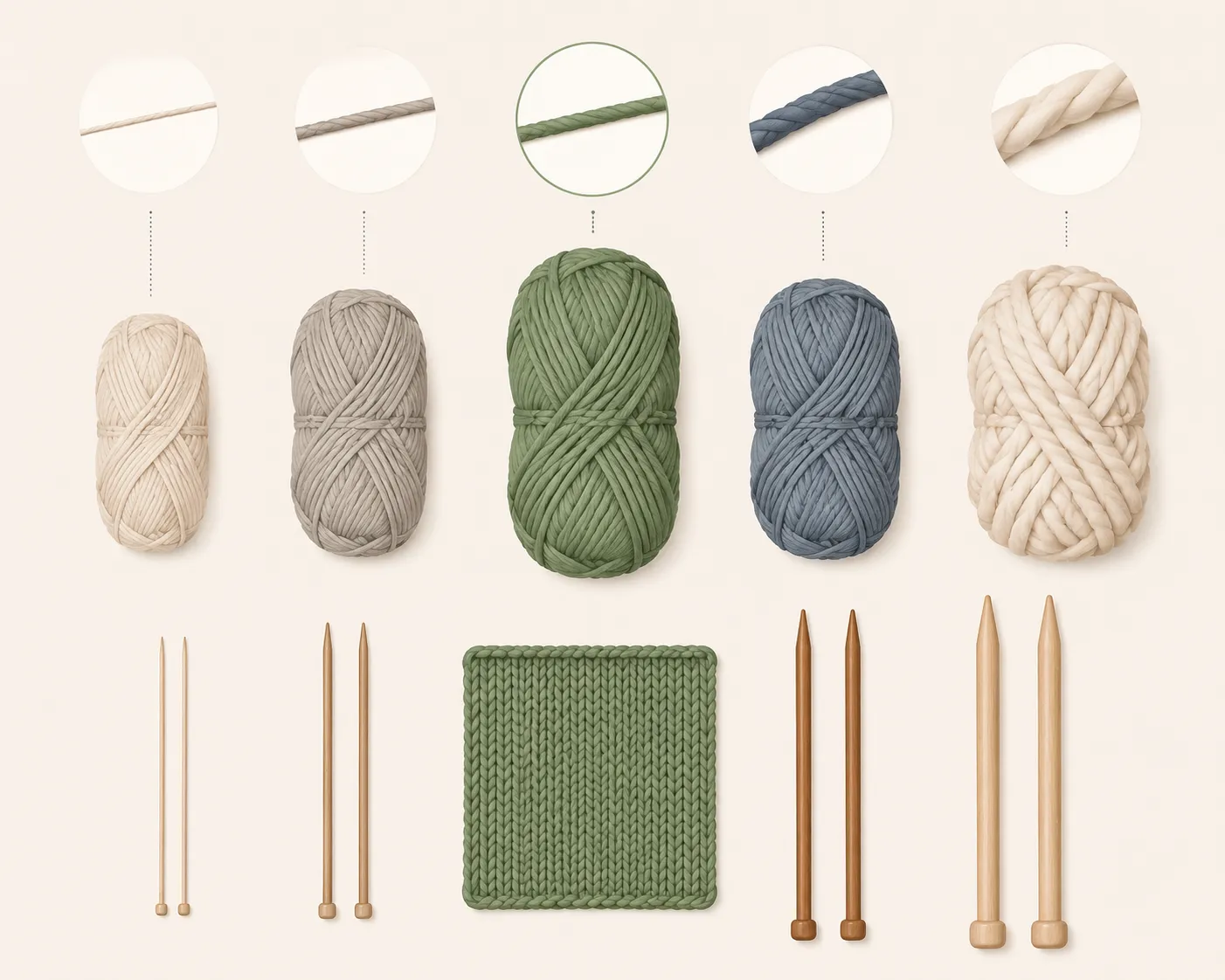
Walking into a yarn store for the first time can feel a little like entering a different universe. Everywhere you look, there are labels, numbers, needle sizes, yarn weights, and mysterious abbreviations that seem designed to confuse beginners. One of the most common questions knitters ask is simple: what size knitting needles should you use for worsted weight yarn? The short answer is usually US 7 to US 9 needles, or 4.5 mm to 5.5 mm. But the real answer is far more interesting because worsted weight yarn is surprisingly flexible and can behave very differently depending on the needles you choose.
According to the Craft Yarn Council, worsted weight yarn falls into the medium #4 yarn category and typically works best with needles ranging from 4.5 mm to 5.5 mm. Recommended gauge usually lands between 16 and 20 stitches over four inches in stockinette stitch. Those numbers sound technical at first, but they become incredibly useful once you understand how they shape your finished project.
Think of knitting needles like camera lenses. The yarn is the subject, but the needles decide how the final image looks. Smaller needles create crisp, dense stitches that hold structure beautifully. Larger needles produce fabric with softness, movement, and drape. That’s why the same skein of worsted weight yarn can become a cozy winter hat, a flowing scarf, or a sturdy blanket simply by changing needle size.
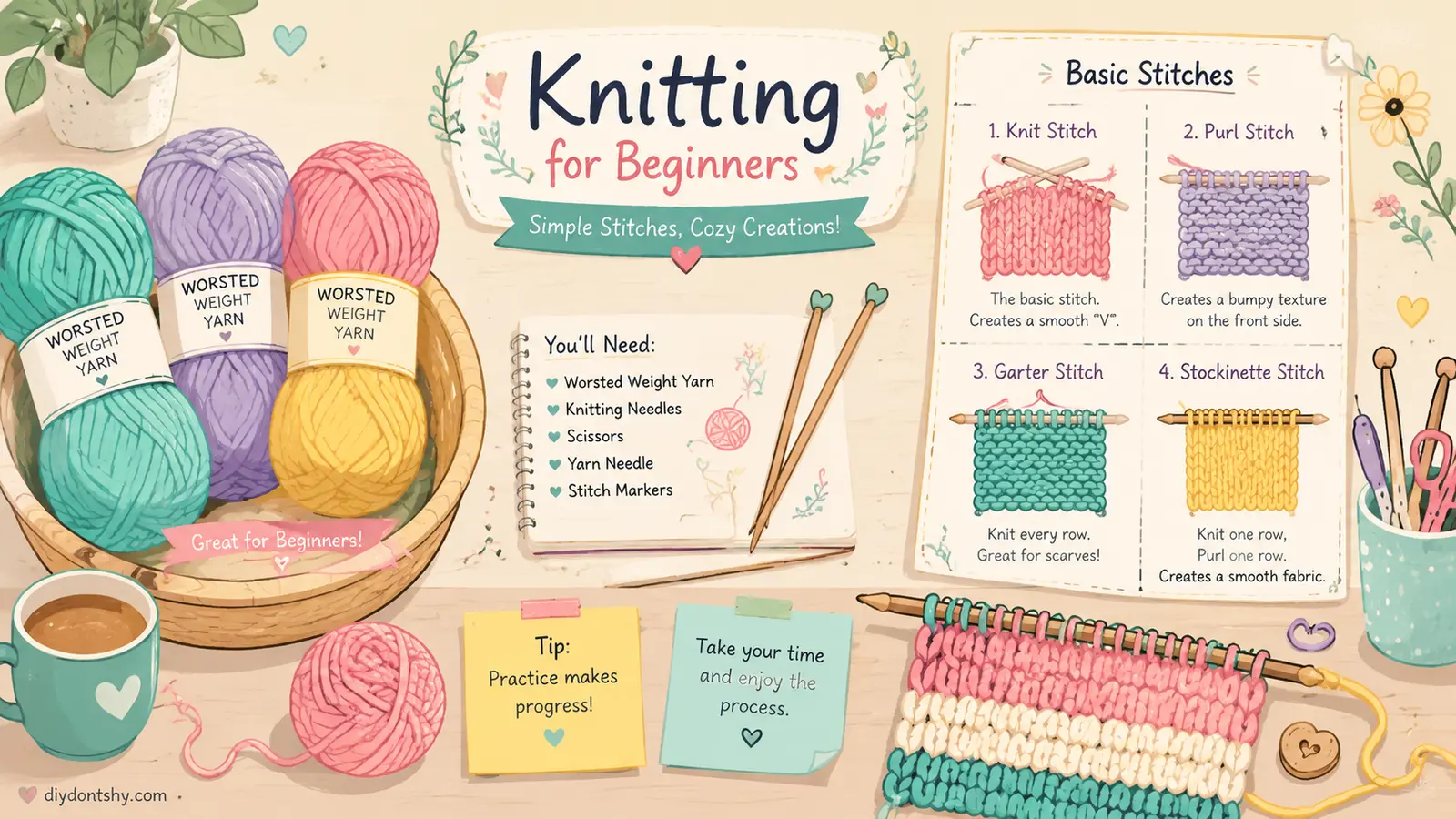
This guide breaks down exactly how worsted weight yarn behaves, why patterns recommend certain needles, how gauge works, and the mistakes beginners often make. By the end, choosing knitting needles will feel less like guesswork and more like creative control.
Understanding What Worsted Weight Yarn Really Means
Why Worsted Weight Is Called “Medium Weight” Yarn
Worsted weight yarn sits comfortably in the middle of the yarn spectrum, which is why so many knitters consider it the perfect beginner yarn. It’s not too thin and frustrating like lace yarn, and it’s not so chunky that projects become stiff or oversized. The Craft Yarn Council classifies worsted yarn as category 4 medium weight yarn, making it one of the most versatile yarn types available today.
The name “worsted” actually has historical roots connected to Worstead, a village in England known for textile production centuries ago. Over time, the term became associated with a specific spinning method and eventually evolved into the yarn category knitters recognize today. Modern worsted weight yarn typically creates balanced fabric with clear stitch definition and moderate warmth, which explains why it appears in so many knitting patterns.
One reason worsted yarn is so popular is visibility. Beginners can actually see their stitches clearly. With finer yarns, stitches can look tiny and intimidating, almost like trying to read microscopic handwriting. Worsted yarn, on the other hand, makes each stitch easy to identify, count, and correct. That visibility speeds up learning dramatically.
Most worsted yarns also knit quickly enough to keep projects exciting. Nobody wants their first scarf to take six months. Worsted weight gives new knitters faster progress while still producing polished results. It’s the sweet spot between speed and detail, which explains why knitting teachers constantly recommend it.
Common Fibers Used in Worsted Weight Yarn
Not all worsted weight yarn behaves the same way because fiber content changes everything. Wool worsted yarn tends to stretch slightly and bounce back into shape, which makes it forgiving for beginners. Acrylic worsted yarn is affordable, easy to wash, and widely available, though it may lack the elasticity of wool. Cotton worsted yarn creates firmer fabric with less stretch, making it excellent for dishcloths and summer garments.
Fiber choice affects the ideal needle size too. Wool often works beautifully on standard US 7–9 needles because it blooms slightly after blocking. Cotton, however, can feel stiff on smaller needles and sometimes benefits from slightly larger ones to improve drape. Acrylic sits somewhere in the middle and adapts well to many needle sizes.
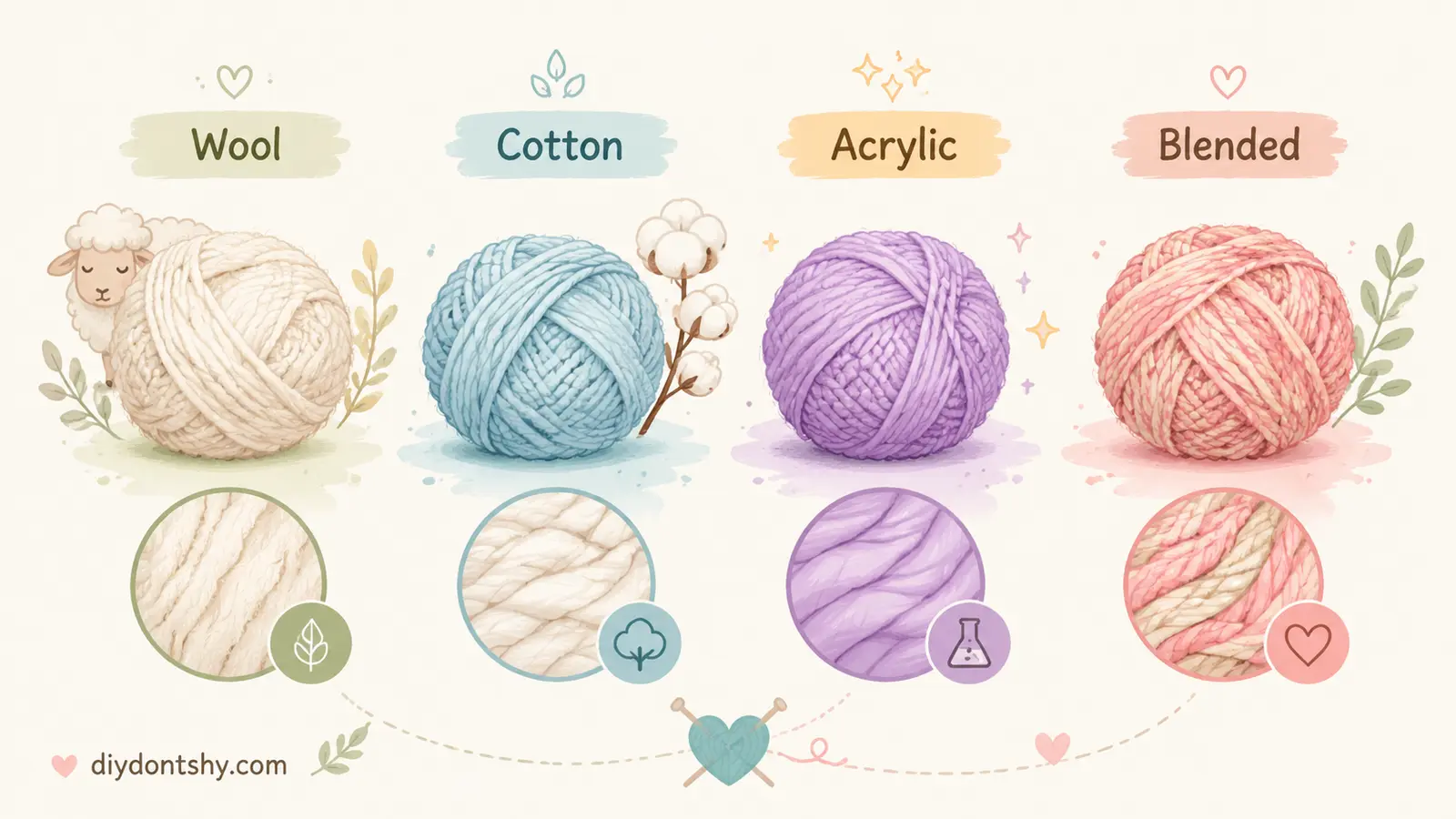
Texture matters as well. Smooth worsted yarn showcases stitch definition like a spotlight shining on every detail. Fuzzy yarns soften stitch appearance and fill gaps between stitches, which can make looser needle sizes appear more cohesive. Some knitters intentionally choose larger needles with fuzzy yarns to create lightweight, airy garments without obvious holes.
The key lesson here is that “worsted weight” describes thickness more than behavior. Two skeins labeled worsted can feel completely different once knitted. That’s why experienced knitters rarely rely only on labels; they also swatch, test, and evaluate the fabric itself.
The Standard Needle Size Range for Worsted Weight Yarn
Recommended US and Metric Needle Sizes
Most knitting resources agree that worsted weight yarn performs best with needles between 4.5 mm and 5.5 mm, which translates to approximately US 7 through US 9. This range exists because it creates balanced fabric that is neither too tight nor too loose for most projects.
Here’s a quick reference table:
| Yarn Weight | Metric Needle Size | US Needle Size | Typical Gauge |
|---|---|---|---|
| Worsted Weight (#4) | 4.5 mm | US 7 | 20 stitches per 4″ |
| Worsted Weight (#4) | 5.0 mm | US 8 | 18 stitches per 4″ |
| Worsted Weight (#4) | 5.5 mm | US 9 | 16 stitches per 4″ |
These ranges are guidelines, not strict laws. Some knitters naturally knit tightly, while others produce loose stitches. A tight knitter may need larger needles to hit gauge, while a loose knitter might need smaller ones. It’s similar to handwriting; everyone forms letters slightly differently even when using the same pen.
Another important detail is regional sizing confusion. US needle sizes differ from UK sizes, which causes plenty of beginner mistakes. Many experienced knitters prefer metric millimeter measurements because they’re universal and precise. Online knitting communities regularly warn newcomers about this issue because using the wrong regional sizing system can dramatically alter results.
Why Most Patterns Suggest US 7–9 Needles
Patterns recommend US 7–9 needles because they consistently produce balanced fabric with worsted yarn. This range offers a reliable middle ground where stitches are visible, comfortable, and structurally sound. Designers know most knitters can achieve standard gauge using those sizes, which helps finished garments match intended measurements.
But patterns also assume average knitting tension. Imagine two people cooking from the same recipe while one packs flour tightly into the measuring cup and the other scoops loosely. The results differ despite identical instructions. Knitting works similarly. Needle recommendations give you a starting point, not a guaranteed outcome.
The purpose of the project matters too. Mittens often use smaller needles to create dense, warm fabric that blocks cold air. Lace shawls may use larger needles to encourage drape and openness. Community discussions among knitters frequently highlight how the same worsted yarn can shift from structured to flowing simply by changing needle size.
This flexibility is exactly why worsted yarn remains so beloved. It adapts instead of fighting back. Whether you want crisp cables or soft blankets, worsted yarn usually cooperates.
Why Worsted Weight Works with Different Needle Sizes
Tight Fabric vs Loose Fabric
One fascinating thing about worsted weight yarn is how dramatically it changes personality depending on the needle size. Use smaller needles, and the stitches pack together tightly, creating firm fabric with excellent warmth and structure. Use larger needles, and suddenly the fabric becomes relaxed, breathable, and fluid.
Smaller needles are often ideal for hats, mittens, and structured sweaters because dense stitches trap warmth effectively. The fabric feels solid and durable, almost like woven cloth. Larger needles, meanwhile, create movement and softness perfect for scarves, shawls, or draped garments.
Think of yarn like dough and needles like rolling pins. Press the dough tightly and it becomes dense and compact. Roll it loosely and it spreads with more openness and flexibility. The yarn itself hasn’t changed; only the spacing between stitches.
Some knitters intentionally break the “rules” to create unique textures. Oversized needles paired with worsted yarn can create trendy openwork fabrics. Smaller needles can create historical-style garments with sturdy structure. There’s no single correct answer because fabric goals differ from project to project.
How Needle Material Also Changes Results
Most beginners focus only on needle size, but needle material affects knitting tension too. Wooden needles grip yarn slightly, slowing stitches down and helping prevent slipping. Metal needles are smoother and faster, which can loosen tension. Bamboo falls somewhere in between.
This matters because two knitters using the same yarn and needle size may still produce different gauges simply because one uses metal and the other uses wood. That’s why experienced knitters often own multiple needle types for different projects.
Needle texture also influences comfort. Slippery yarns like silk blends often behave better on wooden needles, while sticky wool may glide more smoothly on metal. The interaction between yarn and needle becomes part of the knitting experience itself.
Beginners sometimes assume mistakes come from poor skill when the real issue is tool compatibility. Switching from metal to bamboo can completely change stitch consistency. It’s a subtle adjustment, but one that experienced knitters rely on constantly.
How Needle Size Changes Stitch Definition and Drape
Smaller Needles for Structured Projects
Small needles paired with worsted yarn create sharper stitch definition. Cables stand out clearly, ribbing snaps back more firmly, and textured stitches appear more sculpted. This is why sweaters with detailed stitch patterns often use tighter gauges.
Dense knitting also improves durability. Bags, winter accessories, and heavily used garments benefit from compact stitches because they resist stretching and wear. Historical garments often used surprisingly small needles with worsted yarn to maximize warmth and longevity.
The downside is stiffness. Fabric knitted too tightly can lose flexibility and comfort. Scarves may feel board-like instead of cozy, and sweaters may become rigid rather than wearable. There’s a balance between structure and comfort that knitters gradually learn through experience.
Tighter knitting also uses more yarn because stitches are packed closer together. That means projects can become heavier and denser than expected. It’s one reason swatching matters so much before beginning large garments.
Larger Needles for Soft and Airy Knits
Larger needles allow stitches to breathe. The resulting fabric becomes softer, lighter, and more fluid. Scarves drape gracefully, shawls move beautifully, and blankets feel less heavy despite using the same yarn.
Open stitches can also highlight yarn texture. Hand-dyed yarns, fuzzy fibers, and color transitions often shine more dramatically with looser gauge because the fabric has room to flow naturally. It’s similar to opening curtains and letting sunlight spread through a room.
Loose gauge knitting works especially well for accessories where softness matters more than strict structure. Cowls, oversized scarves, and relaxed cardigans benefit enormously from this approach.
But there’s a tradeoff. Larger needles reduce warmth and can expose gaps between stitches. A blanket meant for winter warmth might feel drafty if knitted too loosely. Choosing needle size always involves balancing comfort, appearance, warmth, and function.
Matching Needle Sizes to Different Projects
Best Needle Sizes for Scarves
Scarves give knitters tremendous flexibility because fit matters less than in garments. Most scarf projects with worsted yarn use US 8 or US 9 needles because they create softness and drape without becoming excessively loose.
If you want a chunky, cozy scarf with visible texture, larger needles work beautifully. If you prefer polished stitch definition or intricate cables, slightly smaller needles may produce cleaner results. The beauty of scarves is experimentation; you can prioritize texture, speed, warmth, or style.
Many beginners start with scarves because mistakes hide easily. A slightly uneven edge rarely ruins the project. That freedom encourages experimentation with needle sizes and stitch styles.
Ideal Needles for Sweaters
Sweaters require greater precision because fit matters enormously. Most worsted-weight sweater patterns recommend needles around 4.5 mm to 5 mm because those sizes create stable fabric with balanced drape.
Too-small needles can make sweaters stiff and uncomfortable. Too-large needles may cause stretching or sagging over time. Gauge becomes essential because even small differences can dramatically affect finished size.
Experienced knitters often use multiple needle sizes within the same sweater. Ribbing may use smaller needles for elasticity, while the body uses larger needles for comfort. This layered approach helps garments fit better and hold shape longer.
Choosing Needles for Blankets
Blankets often benefit from slightly larger needles because softer fabric feels cozier and more inviting. Many knitters choose US 9 or larger for worsted-weight blankets to reduce stiffness and improve drape.
Larger needles also make blankets knit faster since stitches become physically larger. That’s psychologically important because blanket projects can otherwise feel endless. Bigger stitches create visible progress more quickly.
Still, extremely loose blankets may stretch or snag more easily. Finding the sweet spot between softness and durability is key. Swatching becomes especially valuable for large projects because texture differences become magnified across thousands of stitches.
Yarn Labels and What They Actually Tell You
Understanding Gauge Information
Yarn labels contain more useful information than many beginners realize. Most worsted-weight labels include suggested needle sizes, gauge ranges, fiber content, and yardage. These recommendations are usually based on industry standards established by organizations like the Craft Yarn Council.
Gauge information shows how many stitches and rows should fit within four inches using recommended needles. This measurement acts like a blueprint for sizing. If your stitches don’t match gauge, your finished project may end up too large or too small.
Many beginners ignore row gauge and focus only on stitch count, but row gauge matters too, especially in garments. Length measurements depend heavily on row consistency.
Labels also reveal washing instructions, which influence project choices. A machine-washable acrylic worsted yarn may suit baby blankets beautifully, while delicate wool may work better for heirloom garments.
Why Labels Are Guidelines, Not Rules
Perhaps the most important lesson in knitting is this: yarn labels are suggestions, not commandments. Online knitting communities repeatedly emphasize this idea because beginners often assume label recommendations are absolute.
Different knitters produce different tension naturally. Personal style, needle material, and even mood can influence gauge. Some knitters intentionally ignore label suggestions to achieve unique textures or effects.
That flexibility is part of knitting’s creative magic. A painter doesn’t use every brush identically, and knitters don’t use every yarn identically either. Labels provide a starting map, but you ultimately choose the destination.
Testing Gauge Before Starting a Project
How to Knit a Gauge Swatch Properly
Gauge swatching sounds boring until you realize it can save weeks of frustration. A gauge swatch is simply a small knitted sample used to test whether your stitches match the pattern’s measurements.
To create an accurate swatch, cast on more stitches than required for the measurement area. Knit a square larger than four inches, wash it the same way you’ll wash the final project, let it dry, and then measure stitches carefully.
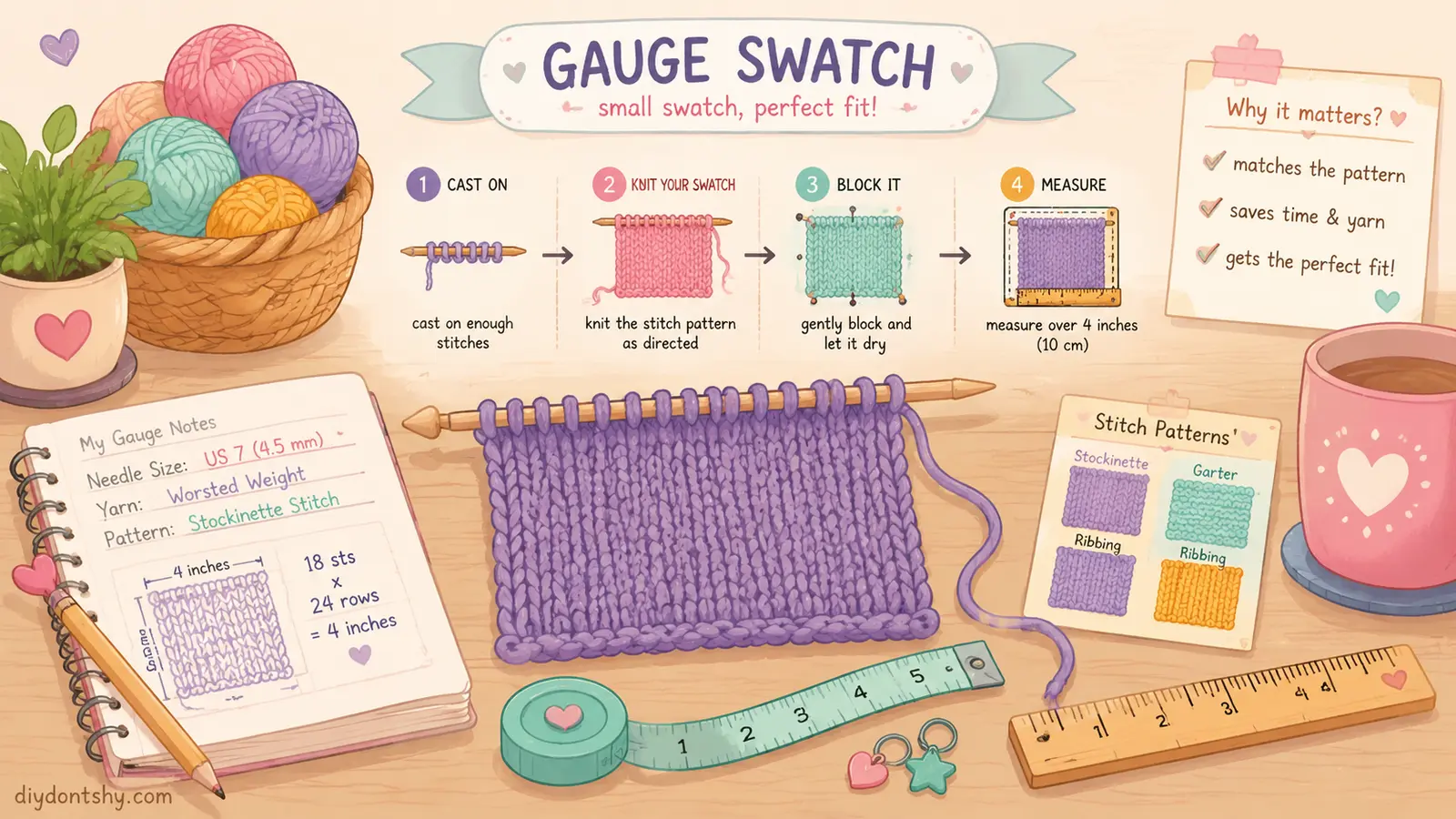
Skipping washing can produce misleading results because many fibers change after blocking. Wool may relax and bloom, while cotton may stretch slightly. Measuring before washing is like testing cake batter instead of the finished cake.
Swatching also helps evaluate fabric feel. Even if gauge technically matches, the fabric itself may feel too stiff or too loose. That tactile information matters just as much as numbers.
What Happens If You Skip Gauge Testing
Skipping gauge can transform knitting into a gamble. Sweaters may emerge several sizes too large. Hats can become painfully tight. Blankets may end up dramatically smaller than intended.
Many beginners resist swatching because they’re eager to start the “real” project. Ironically, skipping the swatch often creates more wasted time later. Re-knitting an entire sweater costs far more effort than spending thirty minutes on a swatch.
Gauge issues become especially important with fitted garments. A difference of just one stitch per inch can completely alter sizing across a sweater body. That tiny mismatch multiplies rapidly.
Experienced knitters understand that swatching isn’t a delay; it’s insurance.
Common Beginner Mistakes When Choosing Knitting Needles
Ignoring Needle Material and Tension
Beginners often assume size alone matters, but tension and material affect results enormously. Slippery metal needles can cause loose stitches, while grippy bamboo may tighten tension unexpectedly.
Another mistake is switching needle brands without realizing sizes may vary subtly. Even tiny differences influence gauge over large projects.
Many beginners also grip needles too tightly from nervousness, producing stiff knitting. Relaxation and rhythm improve consistency over time. Knitting becomes smoother once hands stop fighting the yarn.
Using the Wrong Needle Size for the Goal
A common beginner misconception is that larger needles are always better because they make projects faster. While larger stitches do speed progress, they may sacrifice structure and warmth.
On the opposite side, some beginners use tiny needles because they think tighter stitches automatically look more professional. The result can become dense, uncomfortable fabric lacking flexibility.
The smartest approach is starting with the pattern recommendation, knitting a swatch, and then adjusting intentionally based on the fabric you want. Knitting isn’t about blindly following rules; it’s about learning how tools shape fabric.
Conclusion
Choosing the right knitting needles for worsted weight yarn is less about memorizing a single number and more about understanding how fabric behaves. Standard recommendations usually fall between 4.5 mm and 5.5 mm needles, or US 7–9, because those sizes create balanced fabric suitable for most projects.
But knitting becomes truly exciting once you realize those recommendations are flexible. Smaller needles create warmth, structure, and crisp stitch definition. Larger needles create softness, drape, and airy texture. Fiber content, needle material, personal tension, and project goals all influence the final result.
Worsted weight yarn remains one of the most beloved yarn categories precisely because it adapts so well. It’s forgiving enough for beginners yet versatile enough for advanced knitters exploring texture and design. The needles you choose become creative tools rather than rigid instructions.
The next time you pick up a skein of worsted yarn, think beyond the label. Ask yourself how you want the fabric to feel, move, stretch, and wear. That mindset transforms knitting from following directions into shaping fabric with intention.
FAQs
1. What is the best knitting needle size for worsted weight yarn?
The most common recommendation is US 7–9 needles (4.5 mm–5.5 mm) because they usually create balanced fabric and accurate gauge for worsted-weight yarn.
2. Can I use larger needles with worsted weight yarn?
Yes. Larger needles create looser, softer fabric with more drape. Many scarves, shawls, and blankets intentionally use larger needles for comfort and flow.
3. Why does my knitting look too tight with worsted yarn?
You may be using needles that are too small for your tension style. Tight knitters often need larger needles to achieve balanced stitches and proper gauge.
4. Should beginners use worsted weight yarn?
Absolutely. Worsted yarn is considered one of the best beginner yarns because stitches are easy to see, projects knit up quickly, and the yarn works well with many needle sizes.
5. Do I always need to knit a gauge swatch?
For scarves and casual projects, swatching is optional. For sweaters, hats, and fitted garments, gauge swatching is extremely important because even small measurement differences can affect sizing dramatically.
Kareem Sallam is an Egyptian special writer based in Australia, with a strong interest in practical ideas and creative content that focuses on everyday solutions. He writes clear, engaging articles designed to be easy to follow and useful for a wide range of readers.
His work centers on DIY projects, handmade ideas, simple crafts, and home based creativity. Kareem aims to deliver content that is practical, inspiring, and accessible, helping readers turn simple materials into smart and enjoyable projects.