What to Wear with a Fedora Hat Female for Everyday Style
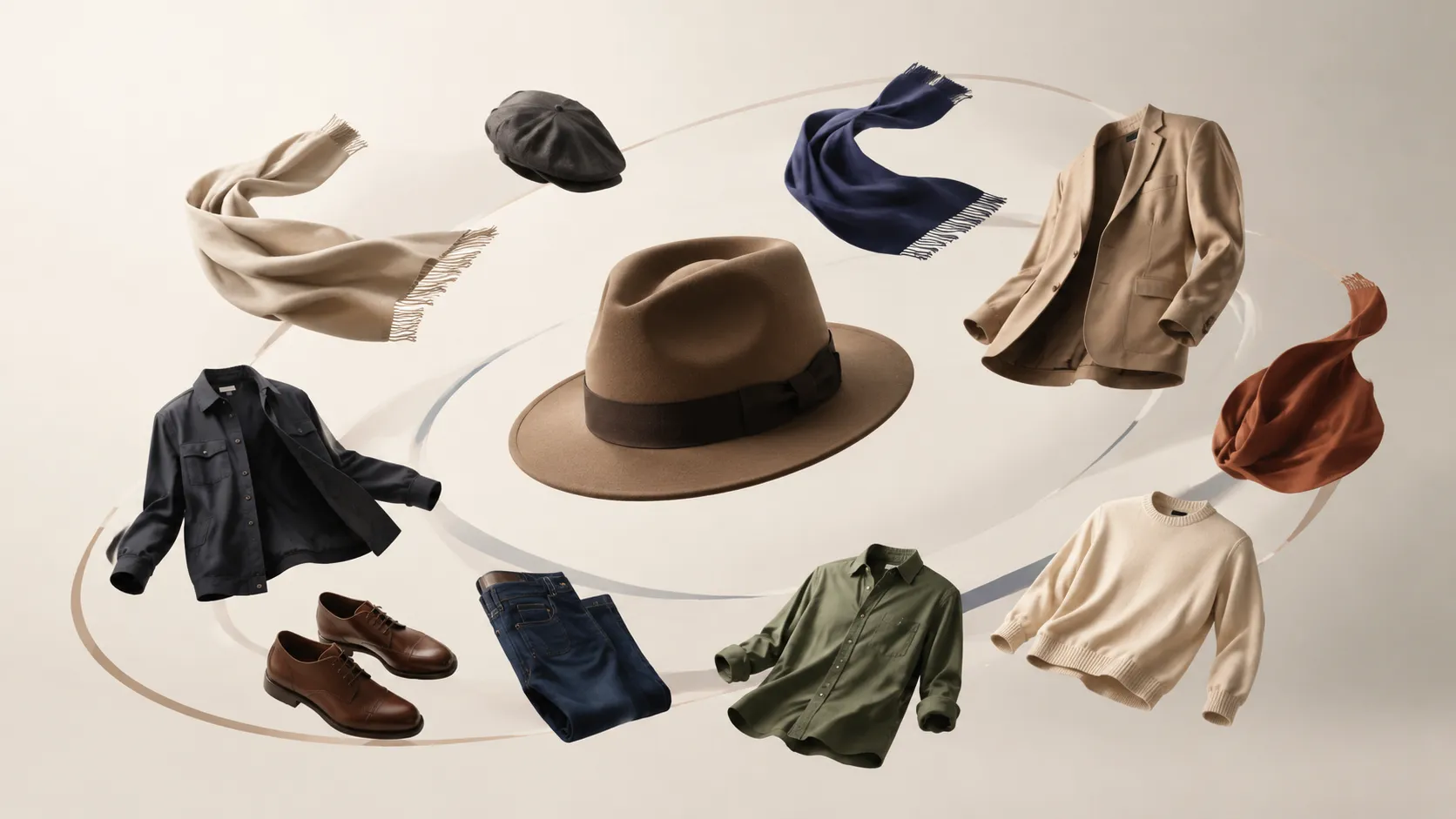
A fedora hat has a funny way of changing an outfit instantly. You can throw on jeans, a plain T-shirt, and ankle boots, then add a fedora and suddenly the whole look feels intentional. That’s the magic of a structured hat. It carries personality before you even say a word. But here’s the catch; fedoras can also feel awkward if the rest of the outfit doesn’t support them properly. The wrong jacket, too many accessories, or mismatched colors can turn a stylish statement into something that feels forced.
Fashion experts and modern styling guides continue to place fedoras among the most versatile women’s accessories in 2025, especially in smart-casual wardrobes, minimalist fashion, bohemian styling, and seasonal layered outfits. Recent fashion coverage highlights neutral tones, structured silhouettes, and relaxed confidence as the key to wearing them naturally.
The good news? Wearing a fedora well is less about following strict rules and more about balance. Think of the fedora as the punctuation mark of your outfit. It should complete the sentence, not scream louder than every other word. Once you understand how clothing shapes, textures, seasonal fabrics, and accessories work together, styling a fedora becomes surprisingly easy.
Contents
Why Fedora Hats Still Work in Modern Fashion
Fashion trends come and go faster than most people can update their closets, yet the fedora keeps surviving. There’s a reason for that. Structured hats create visual balance in a way very few accessories can. A fedora frames the face, sharpens the overall silhouette, and instantly makes even casual outfits feel more polished. Modern fashion has also shifted away from overly perfect styling, which actually helps the fedora feel more wearable today than it did years ago.
The biggest transformation is that women no longer wear fedoras only with formal or vintage-inspired clothing. Current styling trends lean toward contrast. Fashion stylists now pair structured hats with relaxed denim, oversized knits, flowing dresses, or even streetwear-inspired basics. Recent style guides emphasize that modern fedoras work best when they feel integrated naturally into the outfit instead of acting like a theatrical centerpiece.
There’s also an emotional side to hats that people rarely talk about. Wearing a fedora changes posture and energy. It encourages confidence because it naturally attracts attention. Some fashion discussions online even note that structured hats make people appear more intentional, polished, and approachable in public spaces.
That’s why the fedora remains powerful in women’s fashion. It doesn’t just accessorize an outfit; it creates a mood. The key is learning how to support that mood with the right clothing shapes, textures, and proportions.
Balancing the Fedora with Casual and Dressy Outfits
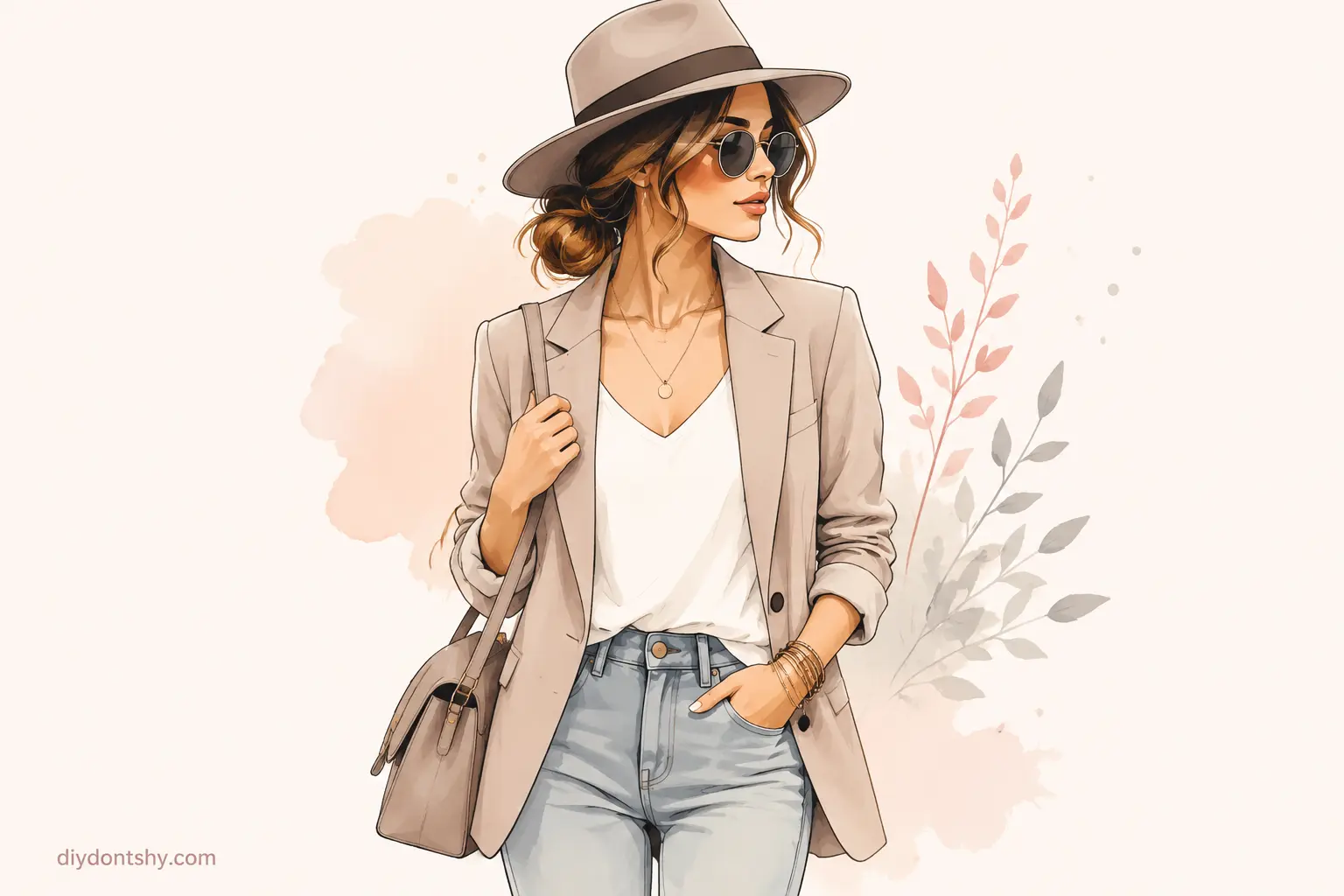
One of the biggest misconceptions about fedoras is that they automatically create a formal look. That used to be true decades ago, but modern styling has completely relaxed the rules. Today, the most attractive fedora outfits usually combine polished structure with laid-back elements. Think of it like mixing elegance with ease. You don’t want the outfit to look too stiff, but you also don’t want it to feel careless.
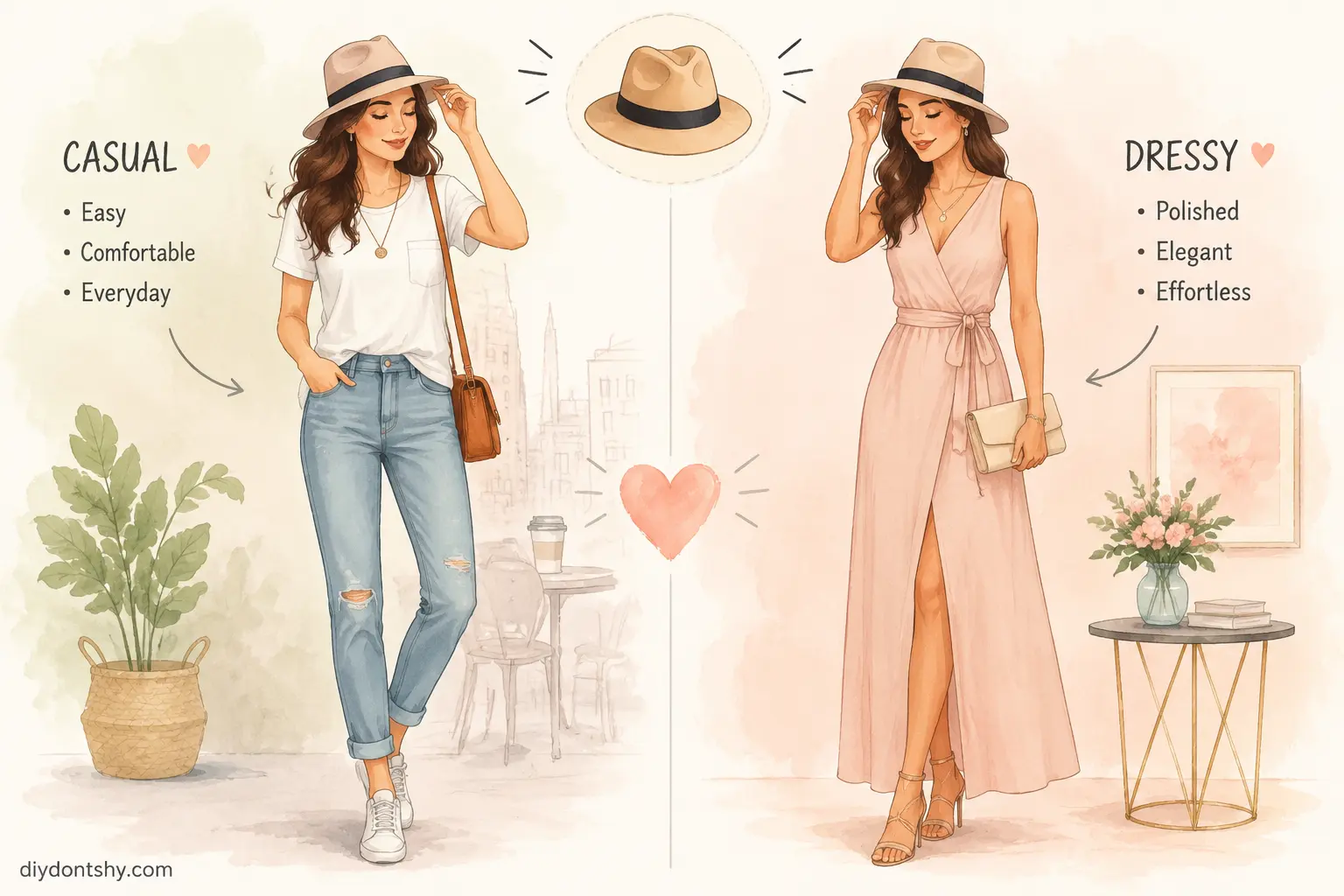
Casual outfits are often where the fedora shines brightest. A beige fedora paired with straight-leg jeans, a white fitted T-shirt, and ankle boots creates an effortless city look that feels fashionable without trying too hard. Denim jackets, oversized cardigans, cropped leather jackets, and knit sweaters all work beautifully because they soften the structured lines of the hat. Fashion experts frequently recommend medium-brim fedoras with everyday basics because they maintain versatility while adding subtle sophistication.
Dressier fedora styling requires a little more restraint. The mistake many women make is overloading the outfit with dramatic pieces. If the fedora already brings structure and personality, the clothing should support it rather than compete with it. Tailored trousers, satin blouses, fitted turtlenecks, long wool coats, and sleek boots work beautifully because they echo the fedora’s refined shape without becoming overwhelming.
Here’s a quick comparison of casual versus dressy fedora styling:
| Casual Fedora Looks | Dressy Fedora Looks |
|---|---|
| Straight-leg jeans | Tailored trousers |
| Oversized sweaters | Structured blazers |
| Sneakers or ankle boots | Chelsea boots or loafers |
| Soft cotton fabrics | Wool, satin, or suede |
| Relaxed silhouettes | Polished silhouettes |
The balance matters more than the individual pieces. A fedora looks strongest when the outfit feels intentional but still relaxed enough to move naturally.
Clothing Shapes That Complement Structured Hats
A fedora is already a structured accessory, so the shapes you wear underneath it dramatically affect the final result. This is where many outfits either succeed beautifully or completely collapse. If every piece is overly rigid, the look starts feeling costume-like. If everything is oversized and shapeless, the hat appears disconnected from the outfit.
The best fedora outfits usually combine structured and soft elements together. Tailored blazers, cropped jackets, straight-leg trousers, wrap dresses, and belted coats work exceptionally well because they mirror the clean architectural lines of the hat. These pieces create harmony rather than visual confusion. Recent styling guides consistently highlight tailored silhouettes as one of the easiest ways to make a fedora feel modern and polished.
Soft textures are equally important because they prevent the outfit from looking too severe. Imagine wearing a sharply structured fedora with stiff leather pants, a rigid blazer, and pointed heels. It starts feeling like a movie costume instead of personal style. Now imagine the same hat paired with a soft knit sweater, relaxed trousers, and suede boots. Suddenly the outfit feels approachable and balanced.
Flowy maxi dresses also work surprisingly well with fedoras because they create contrast. The hat provides definition while the dress adds movement. This pairing is especially popular in bohemian and transitional-season styling. Fashion writers repeatedly point to maxi dresses and layered fabrics as ideal companions for wide-brim fedoras because they soften the overall silhouette.
Another important factor is proportion. Petite women often look best in medium-brim hats because oversized brims can overwhelm smaller frames. Taller women can usually handle wider brims and longer outerwear more comfortably. The goal isn’t perfection; it’s visual balance.
Seasonal Outfit Ideas That Work with a Fedora
Season matters enormously when styling a fedora. A wool felt hat in the middle of summer can look heavy and uncomfortable, while a straw fedora during winter feels disconnected from the environment. Matching materials to the season instantly makes the outfit look more natural and refined.
Spring and summer fedora outfits thrive on breathable fabrics and lighter colors. Straw fedoras paired with linen trousers, sleeveless tops, flowy skirts, and woven sandals create an easy vacation-inspired aesthetic. Cream, tan, beige, and soft olive tones work especially well because they reflect sunlight and maintain that airy seasonal feeling. Recent fashion guides strongly recommend straw and lightweight cotton fedoras for warmer weather because they feel casual, elegant, and practical simultaneously.
Summer styling also benefits from minimal layering. The fedora itself already adds visual weight to the upper body, so lightweight fabrics help keep the outfit feeling fresh. Loose waves, natural makeup, and simple jewelry reinforce the effortless energy that makes summer fedora outfits successful.
Fall and winter are where felt and wool fedoras truly dominate. There’s something timeless about a camel wool coat paired with dark jeans, leather boots, and a structured fedora. The textures naturally complement colder weather. Deep neutrals like charcoal, camel, burgundy, forest green, and chocolate brown become especially effective during these seasons.
Here are some seasonal combinations that consistently work well:
| Season | Fedora Material | Outfit Pairing |
|---|---|---|
| Spring | Lightweight felt | Midi dress + ankle boots |
| Summer | Straw | Linen set + sandals |
| Fall | Wool | Knit sweater + jeans |
| Winter | Felt | Long coat + leather boots |
The secret is making the fedora feel like part of the climate rather than an afterthought.
Choosing Colors That Keep the Look Cohesive
Color coordination can make or break a fedora outfit faster than almost anything else. Because the hat sits near your face, it naturally becomes a focal point. If the color clashes with the rest of the outfit, the imbalance becomes impossible to ignore. The safest and most effective strategy is starting with neutrals.
Fashion experts consistently recommend black, camel, beige, gray, cream, brown, and olive as the most versatile fedora colors for women. These tones work across multiple seasons and outfit styles without demanding too much attention.
Neutral hats also create flexibility. A camel fedora can transition from a white summer linen outfit to a dark autumn coat without looking out of place. That’s why many stylists suggest starting with one neutral fedora before experimenting with bold colors.
Accent colors should be handled carefully. Burgundy, deep green, navy, or rust can look stunning, but the rest of the outfit needs restraint. If the hat is colorful, let it become the star. Pairing a burgundy fedora with equally loud patterns and competing accessories creates visual chaos.
One of the easiest ways to maintain cohesion is repeating tones subtly throughout the outfit. For example:
- A tan fedora with camel boots
- A gray fedora with silver jewelry
- A black fedora with a black handbag
- An olive fedora with earthy knitwear
These small connections make the outfit feel intentional without looking overly matched.
Monochrome outfits also work beautifully with fedoras. An all-black ensemble with a charcoal fedora creates sophistication instantly. Meanwhile, cream-on-cream styling with a straw fedora delivers effortless luxury during warmer months.
Accessories That Pair Naturally Without Overcrowding
A fedora is already a statement accessory, which means everything else should play a supporting role. This is where restraint becomes incredibly important. Over-accessorizing is one of the fastest ways to make a fedora feel unnatural or overly theatrical.
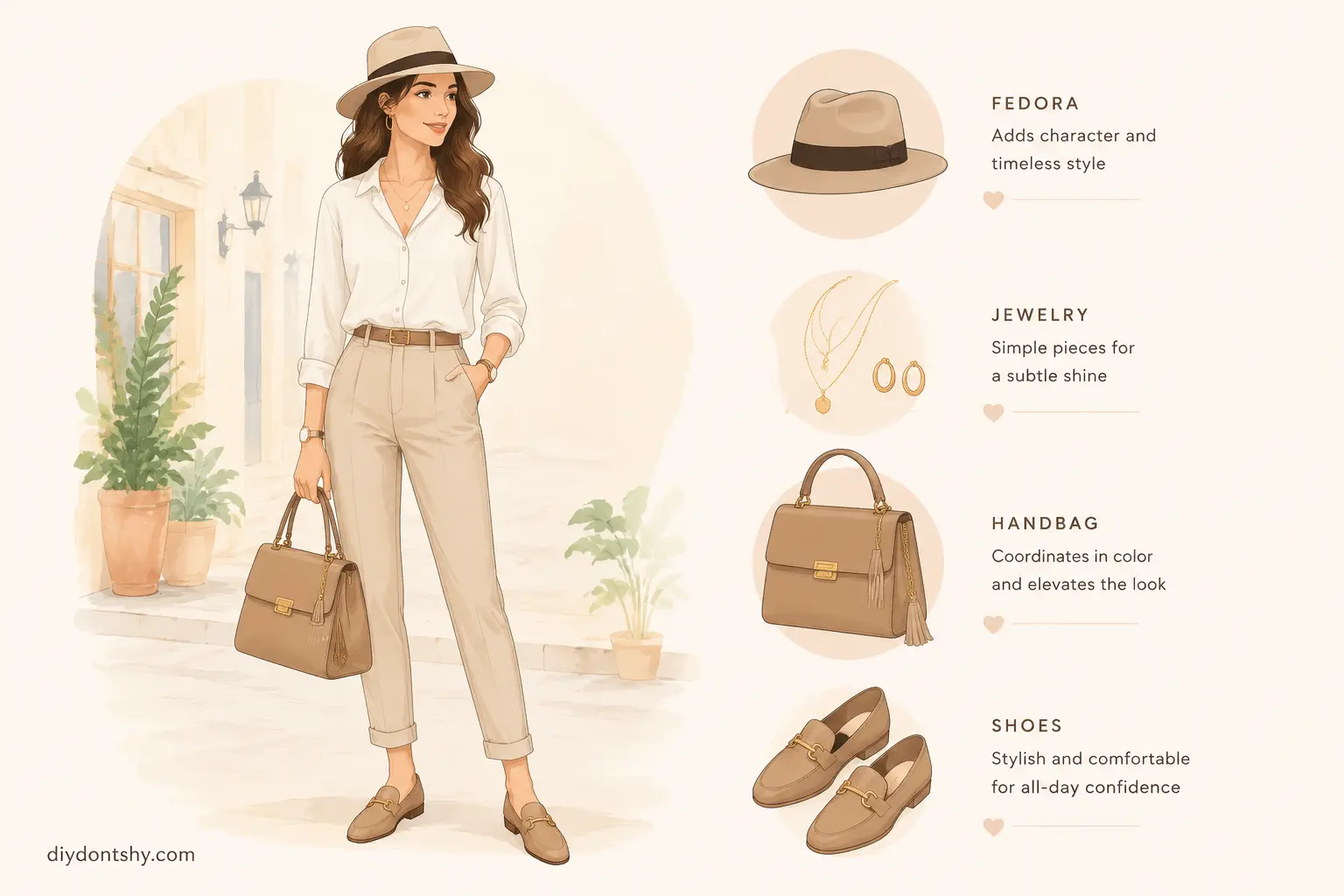
Bags should complement the outfit’s overall structure. Crossbody bags, leather totes, slouchy suede bags, and minimalist shoulder bags all pair naturally with fedoras because they maintain visual harmony without demanding attention. Tiny sparkly purses or overly embellished bags often compete with the hat instead of supporting it.
Jewelry should remain relatively understated. Delicate layered necklaces, medium hoops, simple rings, and subtle bracelets work best because they add polish without overcrowding the face area. Since the fedora already frames the head and upper body, oversized earrings or chunky necklaces can quickly become overwhelming.
Shoes matter more than most people realize when styling hats. Ankle boots are probably the fedora’s best friend because they balance the structured energy of the hat. Loafers, sleek sneakers, knee-high boots, and sandals can also work depending on the season and outfit mood. The important thing is consistency. A polished fedora paired with sloppy athletic shoes usually feels disconnected unless the entire outfit intentionally leans into streetwear styling.
Hairstyles also affect how natural the fedora appears. Loose waves remain one of the most flattering options because they soften the structure of the hat. Low buns, relaxed ponytails, braids, and straight hair tucked naturally beneath the brim also work beautifully. Modern styling advice repeatedly emphasizes effortless hair over stiff or heavily sprayed styles because the fedora should feel relaxed, not overly engineered.
The overall goal is balance. You want the fedora to feel integrated into the outfit rather than fighting every other accessory for attention.
Common Styling Mistakes That Make the Hat Feel Out of Place
Fedora styling mistakes usually happen when people try too hard. Ironically, the more forced the outfit becomes, the less fashionable it looks. The biggest issue is overcommitting to a “hat aesthetic” instead of building a naturally cohesive outfit.
One common mistake is leaning too heavily into vintage or costume-inspired clothing. A fedora paired with dramatic trench coats, excessive fringe, oversized sunglasses, and loud statement jewelry can quickly cross into theatrical territory. Modern fedora styling works best when it feels understated and grounded in everyday fashion.
Another frequent problem is ignoring proportion. Oversized hats on petite frames can overwhelm the body, while tiny hats sometimes disappear within bulky winter outfits. Fashion guides repeatedly stress the importance of matching brim width and crown size to face shape and body proportions for a more flattering result.
Seasonal mismatches are also surprisingly noticeable. Straw fedoras in freezing weather or thick wool hats during summer heat create visual confusion because the materials don’t align with the environment. Humans instinctively recognize when textures belong to different climates.
Poor fit is another major issue. A fedora that slides constantly, sits too high, or squeezes the forehead immediately looks uncomfortable. Proper fit makes the difference between elegance and awkwardness.
Here are the most common fedora mistakes to avoid:
| Mistake | Why It Fails |
|---|---|
| Too many statement accessories | Creates visual clutter |
| Wrong seasonal material | Looks disconnected |
| Poor hat fit | Appears awkward and uncomfortable |
| Overly formal styling | Feels outdated |
| Ignoring body proportions | Disrupts balance |
The fedora should enhance your natural style, not replace it.
Ways to Make a Fedora Feel More Personal and Modern
The women who wear fedoras best usually have one thing in common: the hat feels like an extension of their personality instead of a fashion experiment. That’s the real difference between stylish and awkward. Confidence grows when the outfit genuinely reflects who you are.
Personal styling starts with understanding your existing wardrobe. If your closet already leans minimalist, a gray or black fedora paired with clean tailoring will probably feel authentic. If you prefer bohemian textures and earthy layers, a wide-brim camel fedora with flowy fabrics may suit you better. The goal isn’t copying someone else’s aesthetic; it’s enhancing your own.
Modern fedora styling also embraces imperfection. Slightly relaxed hair, natural movement in fabrics, and effortless layering help the outfit feel lived-in rather than curated for social media. Fashion discussions increasingly emphasize authenticity and comfort over rigid styling formulas.
Small custom details can also personalize a fedora beautifully. Simple ribbon bands, subtle pins, textured fabrics, or unique neutral tones allow individuality without overwhelming the outfit. The best fedora looks often rely on tiny personal touches rather than dramatic fashion statements.
Context matters too. Hats tend to feel more natural outdoors, during travel, at cafés, on city walks, or during transitional weather. Some online fashion conversations even point out that hats appear strongest when worn naturally in real-life environments rather than posed stiffly indoors.
At the end of the day, a fedora is less about trends and more about attitude. When worn casually and confidently, it becomes one of the easiest ways to add sophistication, personality, and modern structure to everyday outfits.
Conclusion
A fedora hat can completely transform a woman’s outfit when styled with balance and intention. The key isn’t dressing dramatically or chasing perfection. It’s understanding how structure, proportion, color, texture, and personality work together. Casual denim looks, tailored city outfits, soft bohemian dresses, and layered winter wardrobes can all support a fedora beautifully when the styling feels cohesive instead of forced.
Neutral colors, seasonally appropriate materials, balanced silhouettes, and restrained accessories help the fedora feel modern and wearable. The most successful looks combine confidence with simplicity. Rather than overpowering the outfit, the fedora should complete it naturally; like the final brushstroke on a painting.
Fashion trends may evolve every year, but structured hats continue to survive because they offer something timeless: personality. A fedora doesn’t just accessorize clothing. It changes the entire energy of the person wearing it.
FAQs
1. Can women wear fedoras casually every day?
Yes, absolutely. Modern fedora styling works especially well with casual outfits like jeans, knit sweaters, ankle boots, and simple dresses. The trick is keeping the overall look relaxed rather than overly formal.
2. What color fedora is the most versatile for women?
Camel, beige, black, gray, and brown are the easiest colors to style because they work across multiple seasons and pair naturally with most wardrobes.
3. Are fedora hats still fashionable in 2026?
Yes. Recent fashion guides continue to feature fedoras in minimalist fashion, smart-casual styling, bohemian outfits, and seasonal layered looks.
4. What hairstyles look best with a fedora?
Loose waves, low buns, braids, and relaxed straight hair tend to work best because they soften the hat’s structured shape and keep the outfit feeling effortless.
5. How do I stop a fedora from looking costume-like?
Avoid over-accessorizing and overly vintage outfits. Pair the fedora with modern basics, neutral colors, and relaxed textures so the hat feels integrated naturally into your everyday style.

Kareem Sallam is an Egyptian special writer based in Australia, with a strong interest in practical ideas and creative content that focuses on everyday solutions. He writes clear, engaging articles designed to be easy to follow and useful for a wide range of readers.
His work centers on DIY projects, handmade ideas, simple crafts, and home based creativity. Kareem aims to deliver content that is practical, inspiring, and accessible, helping readers turn simple materials into smart and enjoyable projects.