How to Make Fishing Lures With Household Items
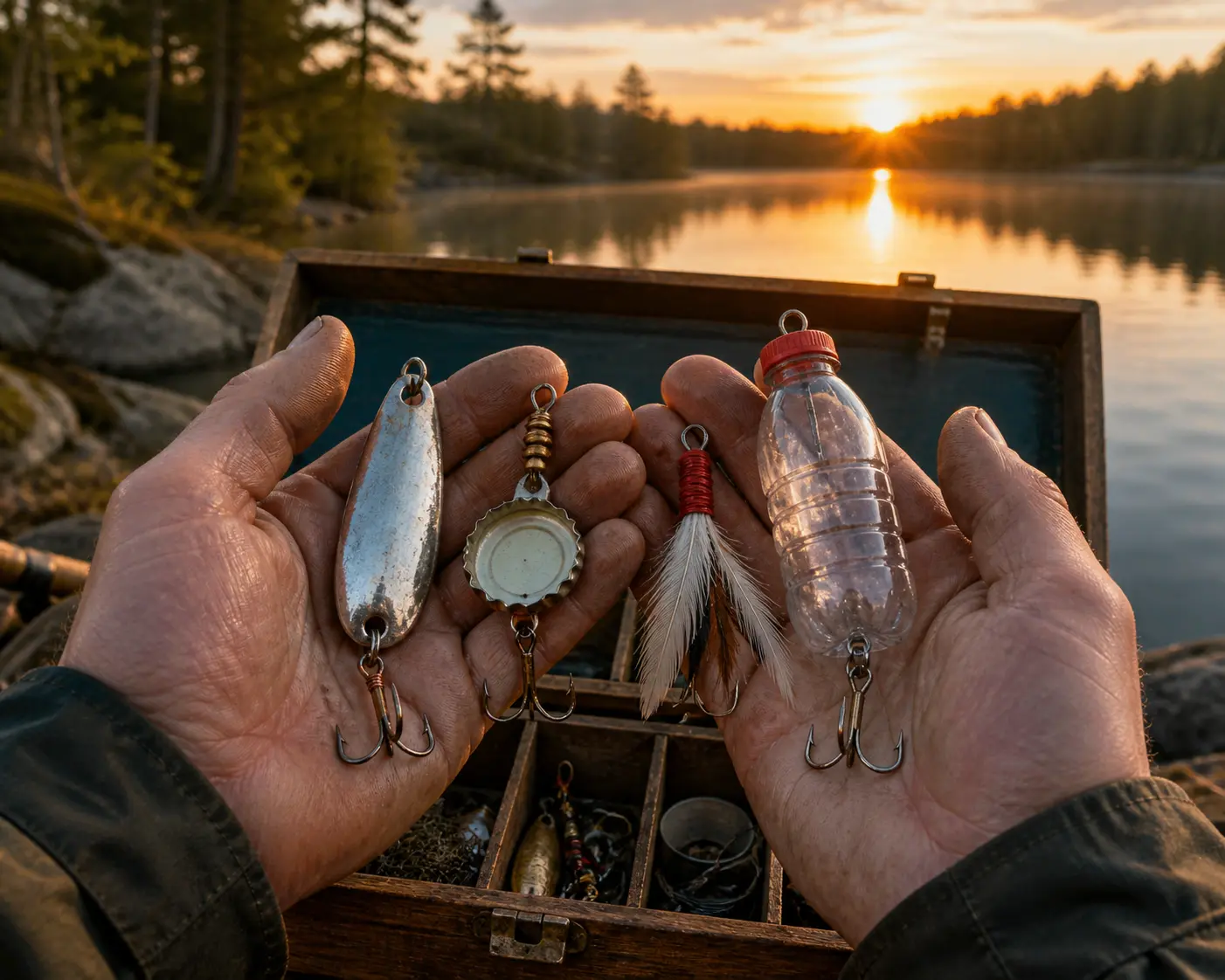
Fishing offers a simple way to slow down, enjoy the outdoors, and focus on something rewarding. Making your own lures adds another layer of satisfaction because you can create useful fishing gear from inexpensive materials you already have at home.
DIY fishing lures can be made from everyday objects such as spoons, bottle caps, plastic bottles, wire, feathers, and other reusable materials. Their effectiveness comes from features fish naturally notice, including movement, flash, vibration, shape, and contrast, rather than the price or brand of the lure.
For beginners, homemade lures are also a practical way to experiment. You can change the shape, weight, color, or action of a lure and test how each adjustment affects its performance in the water.
Contents
Why DIY Fishing Lures Are Worth Trying
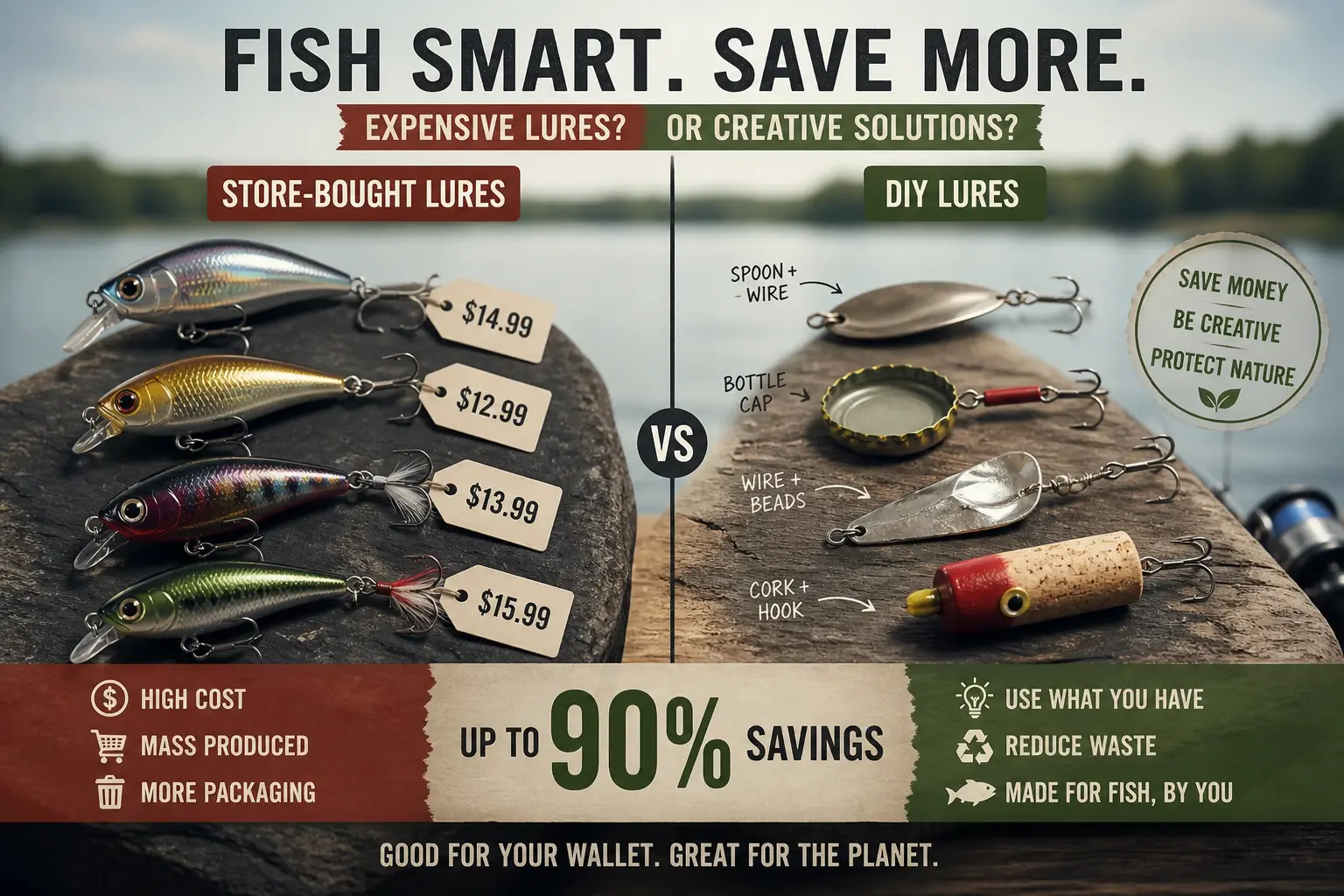
Making your own fishing lures gives you several advantages. First, it saves money. Fishing gear can get expensive quickly, especially when lures get lost in water or damaged. With DIY lures, you can replace them easily without spending much.
Second, it gives you creativity and control. You can design lures exactly how you want them; change their size, shape, color, and movement depending on the fish you are targeting. This flexibility often leads to better fishing results because you can adjust your lure to match water conditions.
Finally, it is also environmentally friendly. Reusing household waste like plastic and metal reduces garbage and gives these materials a second life in a useful way.
Materials You Can Use From Home
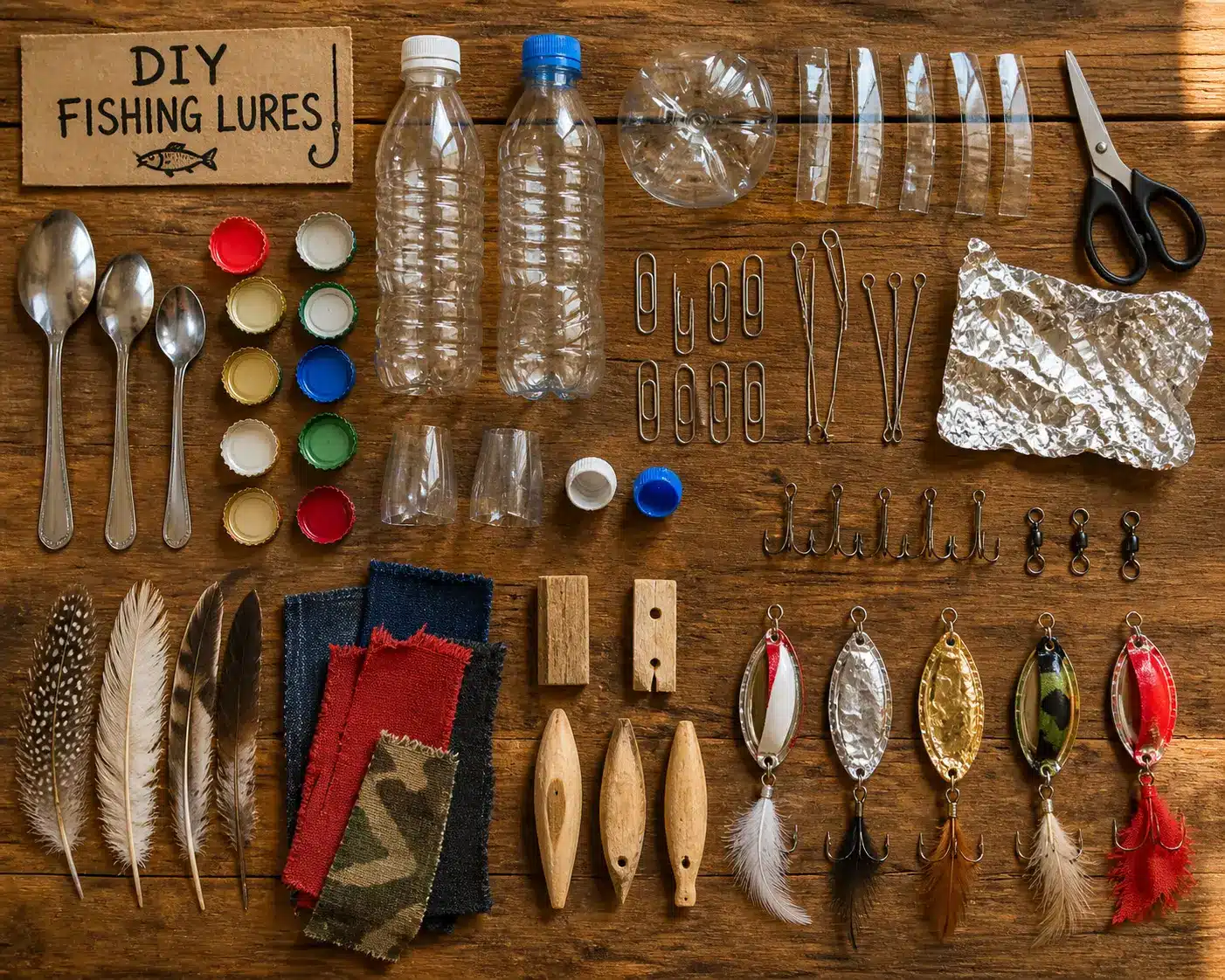
You don’t need professional tools or expensive materials to start making fishing lures. Here are common household items you can use:
- Metal spoons, forks, and bottle caps
- Plastic bottles and packaging materials
- Paper clips and wires
- Feathers, thread, or fabric scraps
- Small pieces of wood or cork
- Aluminum foil or shiny wrappers
These materials are easy to find and can be transformed into different types of fishing lures depending on your creativity.
Simple Tools You Might Need
You will only need basic tools such as scissors, pliers, a knife, glue, and maybe a small drill. These tools help shape and assemble your lure. You don’t need anything advanced or expensive, which makes this activity perfect for beginners.
How to Make a Spoon Fishing Lure
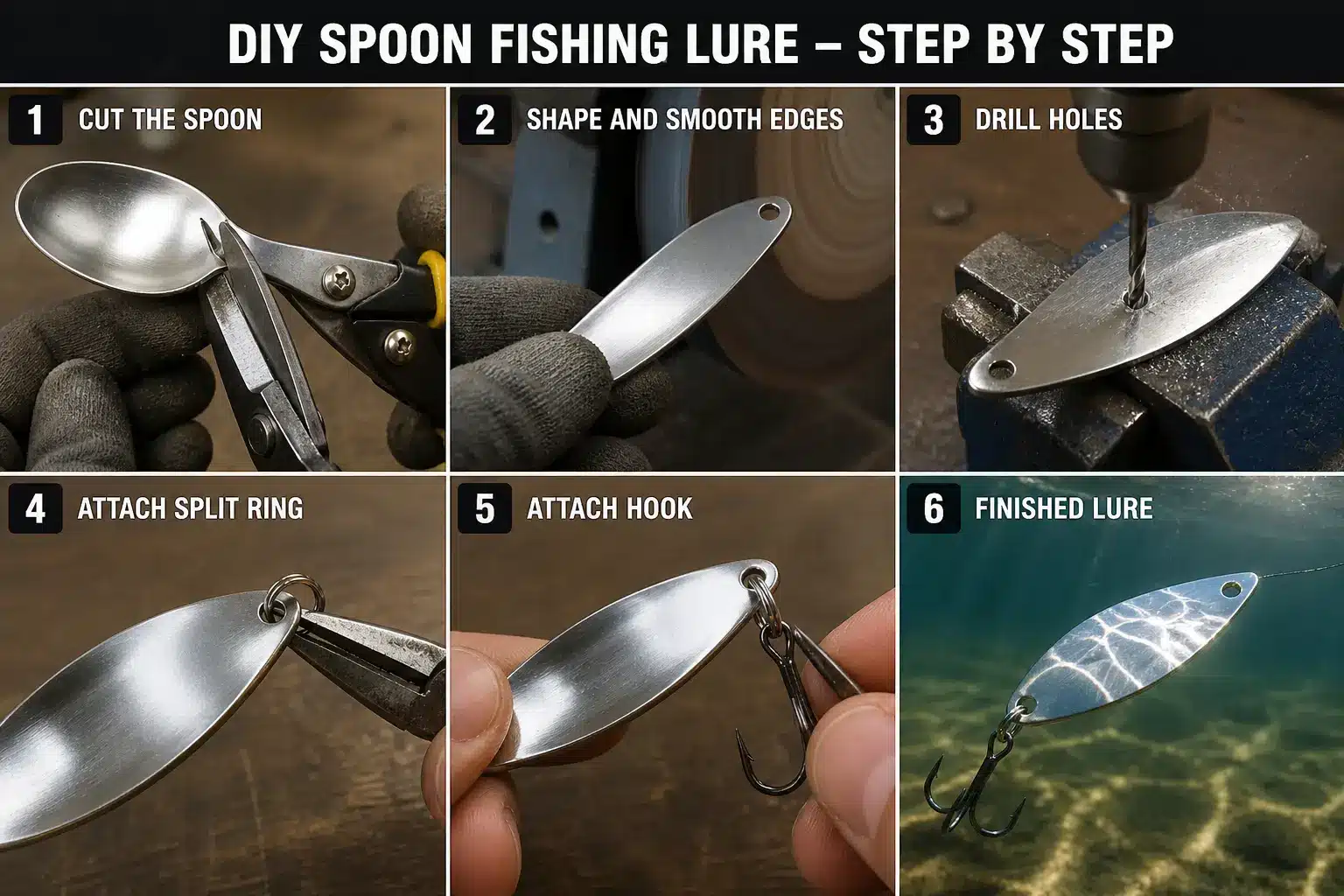
One of the easiest and most effective DIY fishing lures is the spoon lure. It works because its shiny surface reflects light underwater and its shape creates a wobbling motion that looks like a wounded fish.
To make it, take a metal spoon and remove the handle if needed. Drill small holes at both ends; one for the fishing line and one for the hook. Smooth the edges carefully so they don’t damage your fishing line. Then attach a hook using a ring or clip. Once finished, the spoon will move and flash in the water, attracting fish from a distance.
How to Make a Bottle Cap Spinner Lure
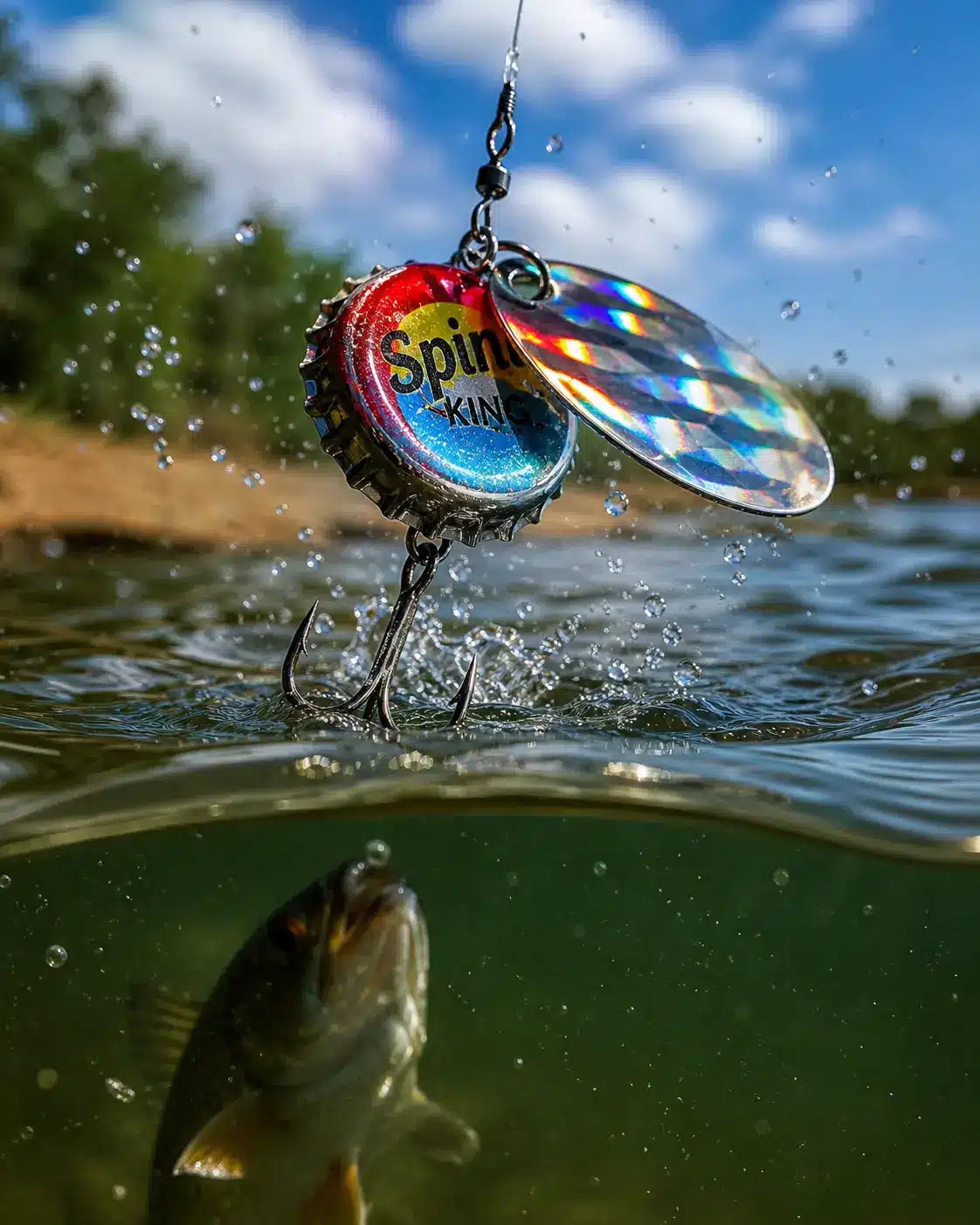
Bottle caps can be turned into small but effective spinner lures. Flatten or slightly bend the cap to help it move better in water. Make two small holes, one for the line and one for the hook. Attach a hook using a ring and decorate the cap with bright colors or shiny foil.
When you pull it through the water, it spins and creates vibrations that attract fish like bass and panfish, especially in shallow areas.
How to Make a Plastic Bottle Topwater Lure
A clean plastic bottle can be repurposed into a lightweight topwater lure that creates visible movement across the surface. Choose a sturdy section of the bottle and cut it into a compact bait-like shape. Carefully smooth every cut edge before continuing.
Add reflective tape or waterproof paint to improve visibility, then attach the necessary hardware and hooks securely. Before fishing, check the lure in shallow water to make sure it remains stable and floats as intended. A properly balanced design should create small splashes, ripples, or side-to-side movement when retrieved, helping imitate insects or small prey near the surface.
How to Make a Paperclip Feather Jig
A paperclip feather jig is one of the simplest lures you can make. Straighten a paperclip and attach feathers, thread, or small fibers at one end. Add a small weight or bead for balance and attach a hook.
The feathers move naturally in water, creating lifelike motion that attracts small fish, especially when used with slow vertical movements.
Tips to Improve Your Fishing Lures
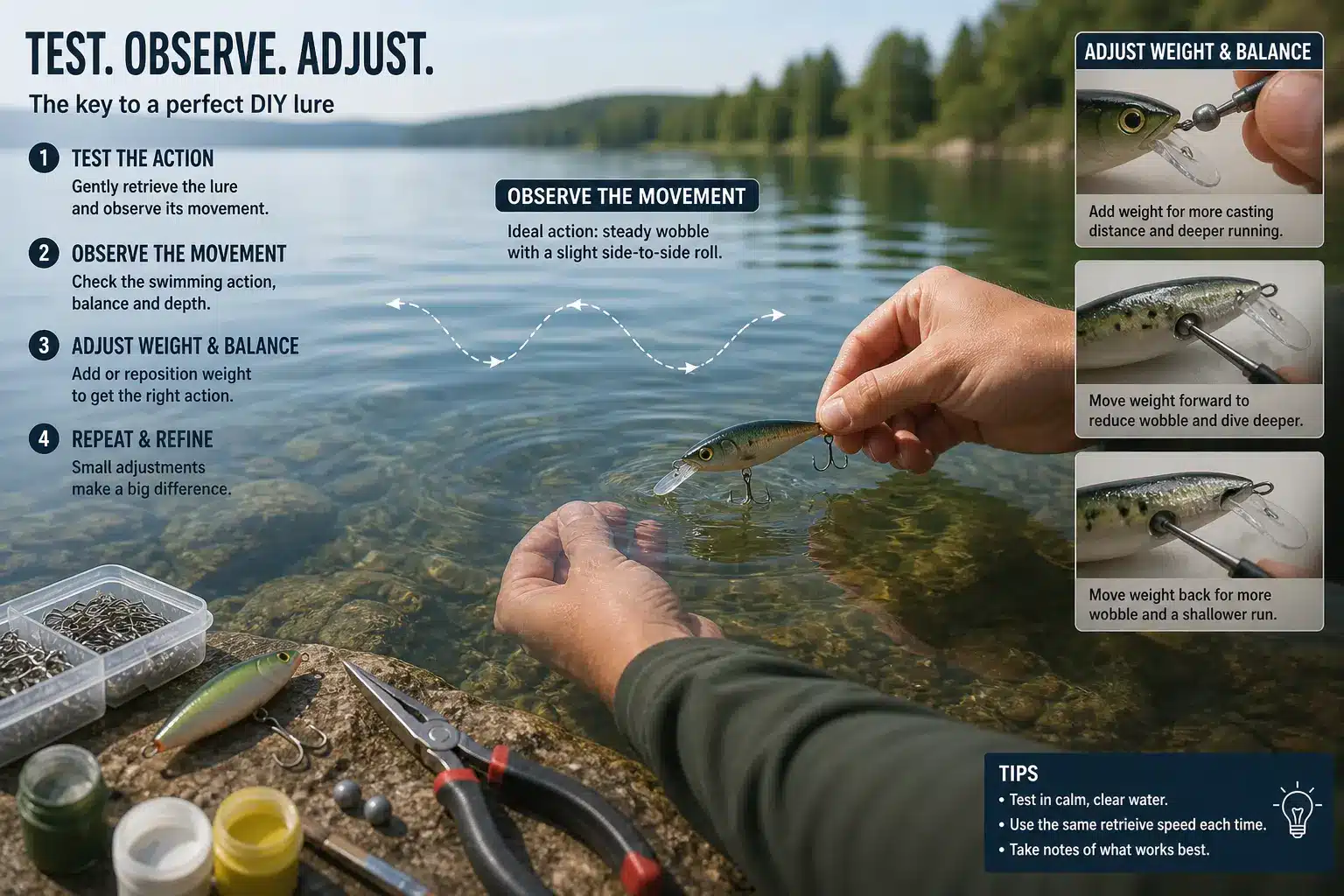
If you want better results, small improvements can make a big difference. Adding weight helps control how deep your lure goes. Using bright colors or shiny surfaces improves visibility in murky water. Proper balance is also important because it affects how naturally your lure moves in the water.
Testing your lure before using it is also very important. Drop it in water and observe how it behaves. If something looks unnatural, adjust it before fishing.
Common Mistakes to Avoid When Making DIY Lures
A homemade lure does not need to be complicated to be effective. Adding too many parts can make it heavy, unstable, or difficult to retrieve naturally. Start with a simple design and make one adjustment at a time so you can identify what improves its action.
Pay close attention to hook placement, balance, sharp edges, and buoyancy. A poorly positioned hook may reduce hookups, while an unbalanced lure may spin or move unnaturally. Always test the finished lure in water before fishing and make corrections if it does not behave as expected.
Safety matters as well. Hooks and cutting tools can cause injuries, so handle them carefully and make sure every connection is secure before casting. Check the lure periodically for loose hardware or damage during use.
Best Fish for DIY Lures
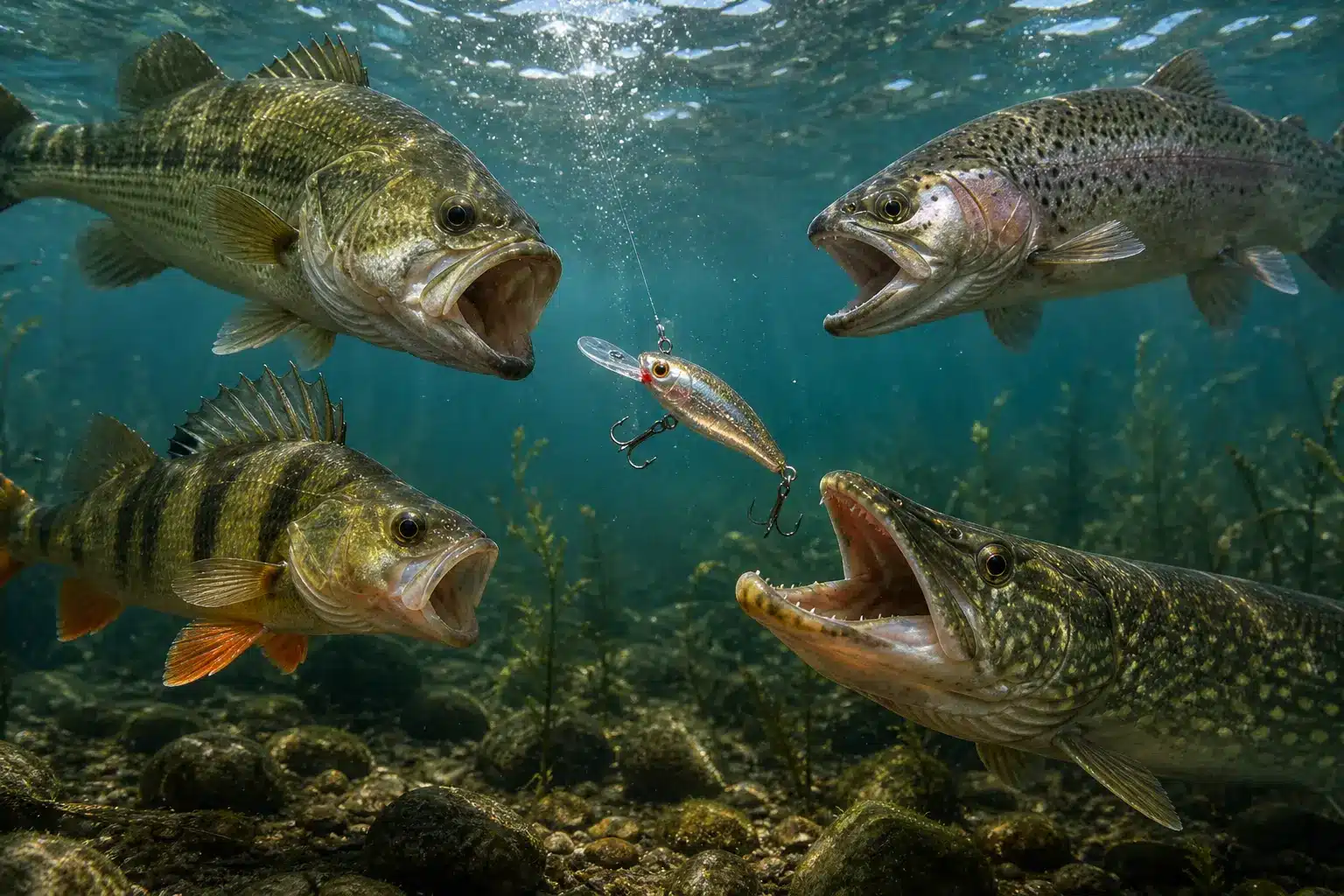
Homemade fishing lures work best for fish that react strongly to movement and flash, such as:
- Bass
- Trout
- Perch
- Pike
- Panfish
These fish are aggressive and often strike quickly when they see something moving in the water.
How to Store and Maintain Your Lures
After fishing, always clean your lures with fresh water to remove dirt and salt. Dry them properly to prevent rust. Store them in a dry box or container. If paint or shine fades, you can easily repaint or polish them for reuse.
Conclusion
Making fishing lures with household items is a fun, creative, and practical way to improve your fishing experience. It saves money, encourages recycling, and allows you to design custom lures that match your fishing style. With simple materials like spoons, bottle caps, and plastic bottles, you can create lures that are just as effective as store-bought ones. The key is practice, patience, and experimentation. Once you start making your own lures, fishing becomes even more enjoyable and rewarding.
Read Also: How to Make Bag With Old Jeans
Frequently Asked Questions (FAQs)
1. Can I really catch fish with homemade lures?
Yes, many homemade lures are very effective because fish react to movement, shine, and vibration.
2. What is the easiest fishing lure to make at home?
A spoon lure is the easiest and most effective for beginners.
3. Do I need special tools to make fishing lures?
No, basic household tools like scissors, pliers, and glue are enough.
4. Which fish are best for DIY lures?
Bass, trout, perch, and panfish respond very well to homemade lures.
5. How long do homemade fishing lures last?
With proper care and maintenance, they can last for many fishing trips.

Kareem Sallam is an Egyptian special writer based in Australia, with a strong interest in practical ideas and creative content that focuses on everyday solutions. He writes clear, engaging articles designed to be easy to follow and useful for a wide range of readers.
His work centers on DIY projects, handmade ideas, simple crafts, and home based creativity. Kareem aims to deliver content that is practical, inspiring, and accessible, helping readers turn simple materials into smart and enjoyable projects.