How to Crochet with Two Strands of Yarn for Thicker and Softer Projects
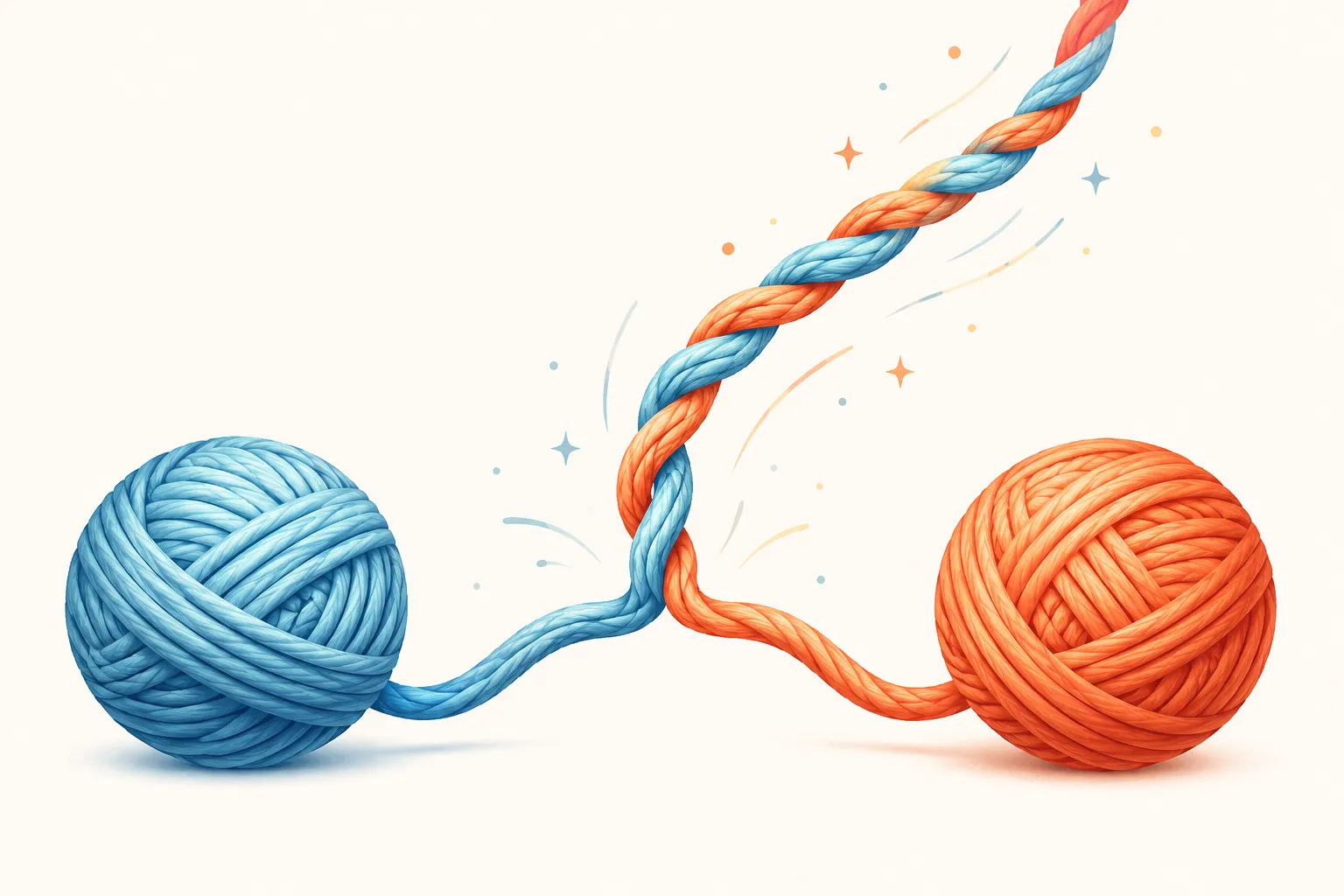
Crocheting with two strands of yarn at the same time can completely transform the way your projects look and feel. It is one of those techniques that seems intimidating at first, but once your hands adjust, it becomes surprisingly addictive. Many crocheters discover double-stranding by accident. Maybe they run out of bulky yarn, maybe they want a richer texture, or maybe they simply fall in love with the marled color effects created by mixing two shades together. Whatever the reason, using two strands opens the door to thicker fabrics, stronger stitches, and unique visual depth that a single strand often cannot achieve.
The crochet community has leaned heavily into layered textures and experimental colorwork recently. Current crochet trend reports show growing interest in bold textures, expressive yarn combinations, and wearable handmade pieces with dramatic dimension. Designers and hobbyists alike are experimenting with mixing fibers, combining tones, and creating oversized fabrics that feel modern yet handmade. Double-stranding fits perfectly into this trend because it allows crocheters to create customized thickness and texture without needing specialty yarn.
If you have ever wondered why some crochet bags feel sturdy, why certain blankets look professionally textured, or how makers achieve those dreamy blended colors, the answer is often hidden in this simple technique. Working with two strands is not just about making yarn thicker. It is about control, creativity, and discovering how different fibers behave together like instruments in an orchestra. One strand might provide softness while the other adds durability. One may bring color while the other creates subtle texture. When balanced properly, the result feels intentional rather than bulky.
This guide breaks down everything you need to know about crocheting with two strands of yarn. From choosing the right combinations to avoiding uneven tension, you will learn how to make your projects look polished rather than clumsy. By the end, you may never look at a single skein the same way again.
Why Crocheters Double Up Yarn in the First Place
One of the biggest reasons crocheters use two strands together is simple: they want more substance. Thin yarn can create beautiful detail, but it often lacks the cozy weight or structure needed for larger projects. Doubling yarn instantly creates a thicker fabric without forcing the crocheter to buy entirely new materials. It is like layering clothing in winter. A single sweater may feel fine, but adding another layer changes the entire experience.
Adding Warmth, Thickness, and Structure
Double-stranded crochet creates denser stitches that trap more warmth, making the technique ideal for blankets, scarves, sweaters, baskets, and winter accessories. A lightweight acrylic yarn that normally produces floppy fabric can suddenly become structured and durable when paired with another strand. This is why many crocheters use two strands for market bags, rugs, and storage baskets. Recent crochet discussions online show makers combining multiple yarn strands specifically to create “crisp” and structured projects with tighter stitch definition.
There is also a practical side to it. Sometimes a pattern calls for bulky yarn, but the crocheter only has lighter-weight yarn available. Rather than buying new skeins, they simply combine two thinner strands. This technique saves money while expanding creative options. Think of it as cooking with ingredients already in your kitchen instead of running to the store for a specialty item.
The extra thickness also changes the emotional feel of the finished piece. A chunky crochet blanket made with doubled yarn feels luxurious and heavy in the hands. It has presence. The stitches stand taller, shadows become deeper, and textures appear more dramatic. That visual impact is part of why oversized crochet remains so popular in current handmade fashion trends.
Making Thin Yarn Work for Bigger Projects
Many crocheters fall in love with a yarn color only to realize the yarn itself is too thin for their project. Instead of abandoning the idea, they double the strands. This approach is especially common with cotton blends, gradient yarns, and hand-dyed fibers. Online crochet communities frequently discuss pairing thinner yarns together to create wearable garments with better structure and thickness.
This method also speeds up projects. Thin yarns can take forever to build noticeable progress, which sometimes drains motivation. Using two strands creates larger stitches, allowing blankets, sweaters, and shawls to grow much faster. It feels rewarding to see rows build quickly instead of inching forward painfully slowly.
Another overlooked benefit is durability. Double strands distribute tension more evenly across fibers. If one strand begins to weaken over time, the second strand often helps maintain the integrity of the fabric. This is especially useful for heavily used items like tote bags or cushion covers. Instead of relying on one delicate thread, you essentially create a stronger rope-like structure through teamwork between the yarns.
Picking Yarn Combinations That Work Well Together
Not every yarn pairing creates magic. Some combinations look elegant and balanced, while others resemble a tangled pile of leftovers. Choosing compatible yarns is one of the most important skills in double-strand crochet because the wrong pairing can create awkward tension, uneven stitches, or excessive bulk.
Matching Fiber Types for Better Texture
Fiber compatibility matters more than many beginners realize. Combining a slippery bamboo yarn with a stiff wool can feel awkward because the strands move differently through your fingers. One strand may stretch while the other resists, leading to uneven stitches. The smoothest experience usually comes from pairing fibers with similar behavior.
For example, cotton blends work beautifully with other cotton or acrylic yarns because they maintain similar tension levels. Wool pairs naturally with alpaca or merino due to their shared elasticity. Mixing drastically different textures is possible, but it requires more experience and careful tension control.
Here is a simple comparison table showing common yarn pairings:
| Yarn Combination | Resulting Texture | Best Use |
|---|---|---|
| Cotton + Cotton | Crisp and structured | Bags, baskets |
| Acrylic + Acrylic | Soft and flexible | Blankets, scarves |
| Wool + Alpaca | Warm and fluffy | Sweaters, winter wear |
| Cotton + Metallic | Decorative and firm | Accessories |
| Variegated + Solid | Balanced color depth | Shawls, wraps |
Texture plays a huge role in how stitches appear. If one yarn strand is fuzzy while the other is sleek, the fuzzy strand can overpower stitch definition. That may work wonderfully for cozy winter projects, but it can hide intricate stitch patterns in lace or decorative crochet.
Combining Colors Without Creating Visual Chaos
Color pairing can either elevate a project or completely overwhelm it. The safest strategy is balancing one bold yarn with one calmer shade. A variegated yarn already contains visual movement, so pairing it with another loud multicolored strand often creates confusion rather than beauty.
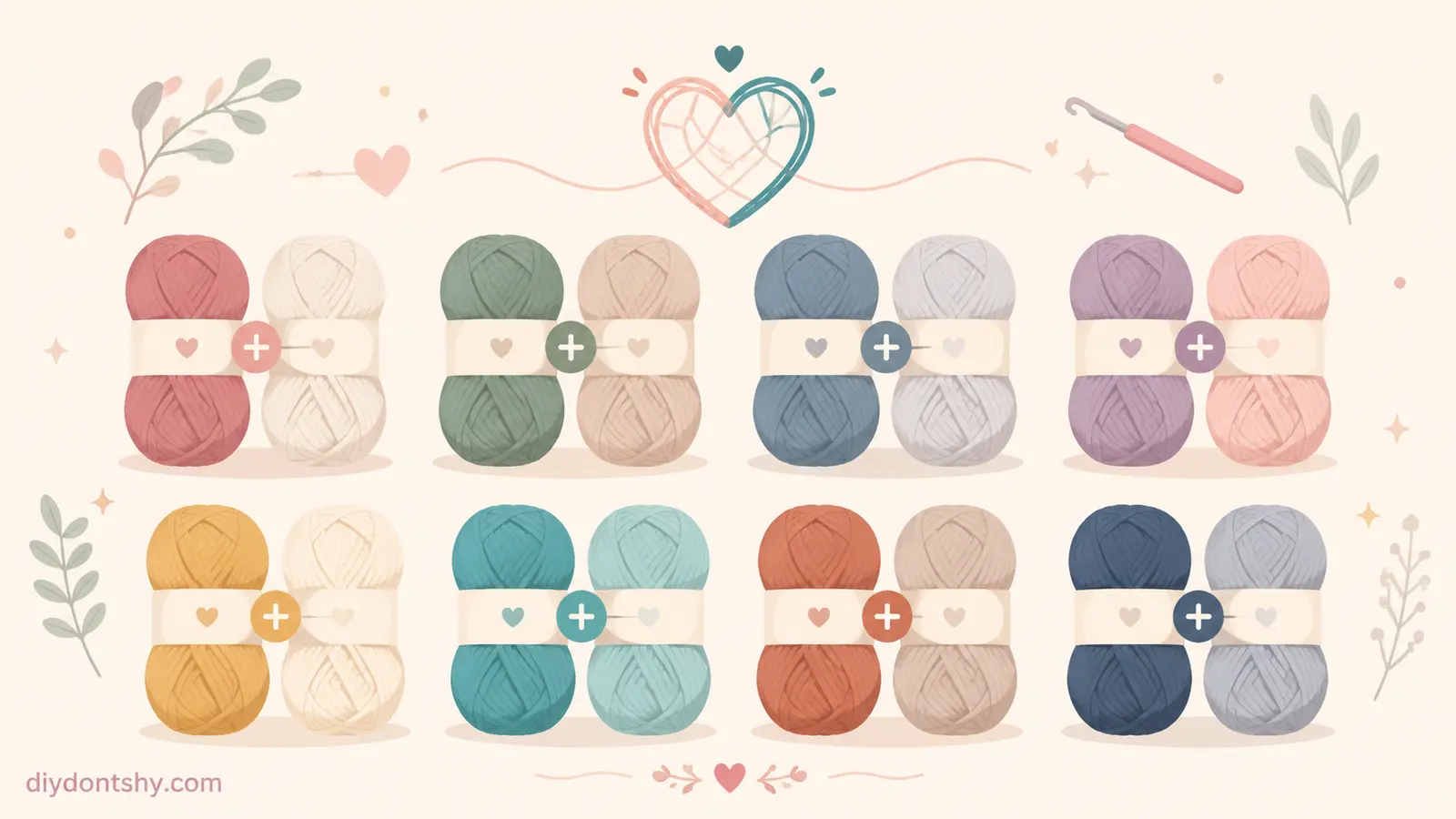
One of the most effective techniques is combining a neutral yarn with a vibrant one. Cream with terracotta, gray with electric blue, or beige with forest green creates depth while keeping the stitches readable. Crochet trend forecasts for 2026 show strong popularity for earthy neutrals paired with bold contrast colors and playful gradients.
Popular Color Pairing Ideas in 2026 Crochet Trends
Current yarn trends lean heavily toward natural tones mixed with expressive accents. Terracotta, rust, sand, and clay shades are dominating crochet aesthetics this year. Pairing these grounded colors with brighter strands creates a sophisticated handmade appearance rather than a chaotic rainbow effect.
Some trendy combinations include:
- Cream + sage green
- Rust + blush pink
- Charcoal + cobalt blue
- Beige + gold metallic
- Soft gray + lavender gradient
The beauty of double-stranding is that colors visually blend together like watercolor paint. Instead of sharp stripes or abrupt transitions, the tones intermingle naturally across the stitches. That blended appearance gives handmade crochet a polished designer feel.
Hook Sizes That Help Maintain Smooth Stitches
Choosing the right hook size when crocheting with two strands is absolutely critical. Too small, and the stitches become stiff and impossible to work. Too large, and the fabric loses structure completely. Finding the sweet spot is similar to adjusting the tension on a musical instrument. Tiny changes make enormous differences.
How Hook Size Changes Tension
A larger hook allows the doubled strands to glide smoothly without excessive friction. Most crocheters increase hook size by at least 1 to 3 millimeters when working with two strands, depending on yarn thickness. The goal is maintaining stitch flow without crushing the yarn together.
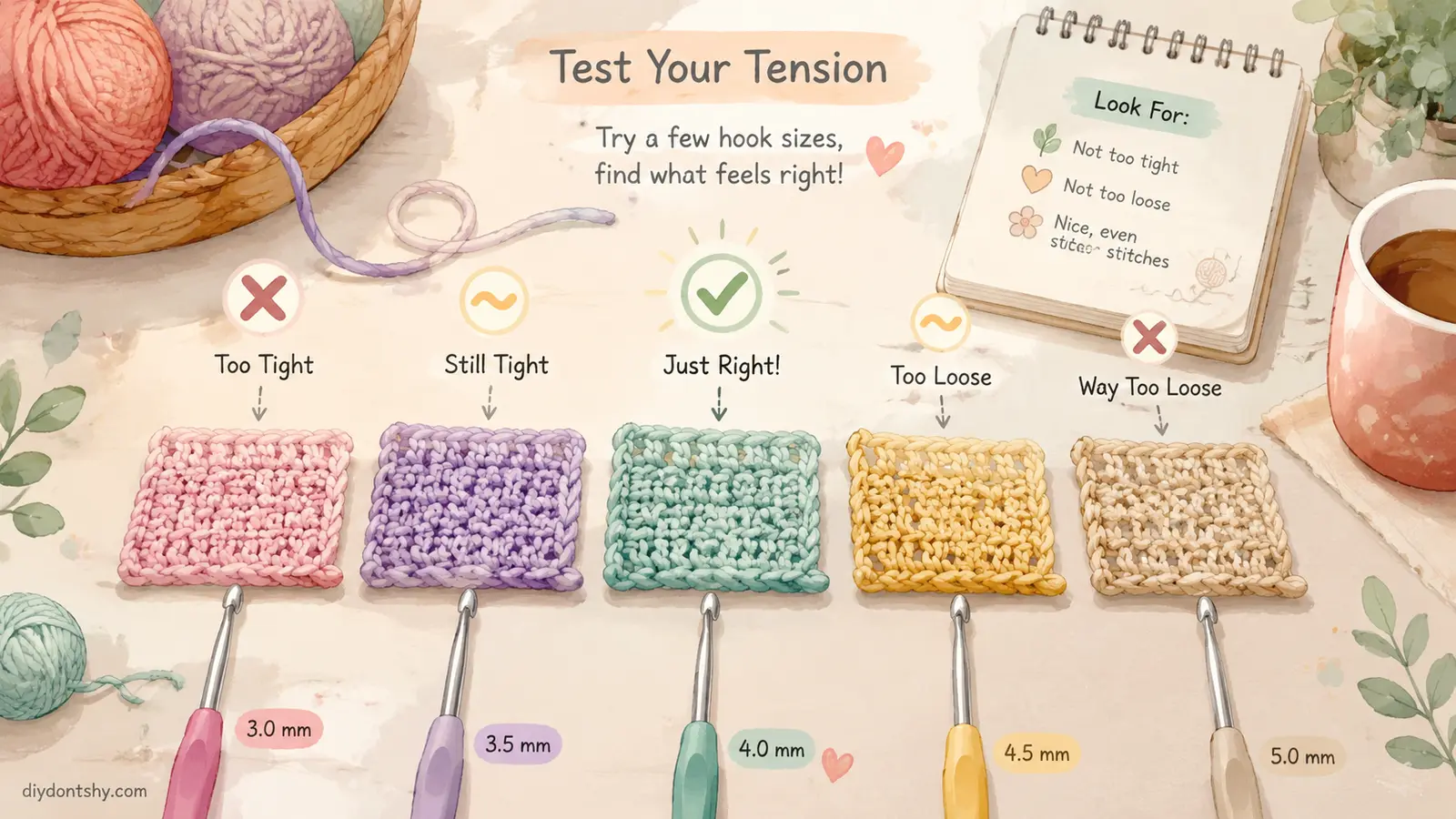
If your stitches feel tight, your hook is probably too small. Tight stitches make projects curl, strain your hands, and create uneven loops. On the other hand, overly large hooks produce loose holes that defeat the purpose of doubling yarn in the first place.
A useful guideline looks like this:
| Single Yarn Weight | Typical Hook | Double-Strand Hook |
|---|---|---|
| DK Weight | 4 mm | 5.5–6 mm |
| Worsted Weight | 5 mm | 8–9 mm |
| Sport Weight | 3.5 mm | 5 mm |
These numbers are not rigid rules. Every crocheter has different tension habits. Some naturally crochet tightly while others produce loose stitches. Swatching remains essential before committing to a full project.
Testing Swatches Before Starting a Project
Skipping a swatch is like building a house without checking the measurements first. It may work out, but there is a good chance something goes wrong halfway through. A small swatch reveals how your yarns behave together and whether your hook size creates the desired texture.
Swatches also help evaluate drape. A blanket may benefit from softness and flexibility, while a basket needs firmness. By testing different hooks before starting, you avoid unpleasant surprises later.
Professional crocheters often test three hook sizes before settling on one. It sounds excessive, but it saves hours of frustration. The difference between a 6 mm and a 7 mm hook can completely transform the feel of doubled yarn.
Keeping Both Strands Even While Crocheting
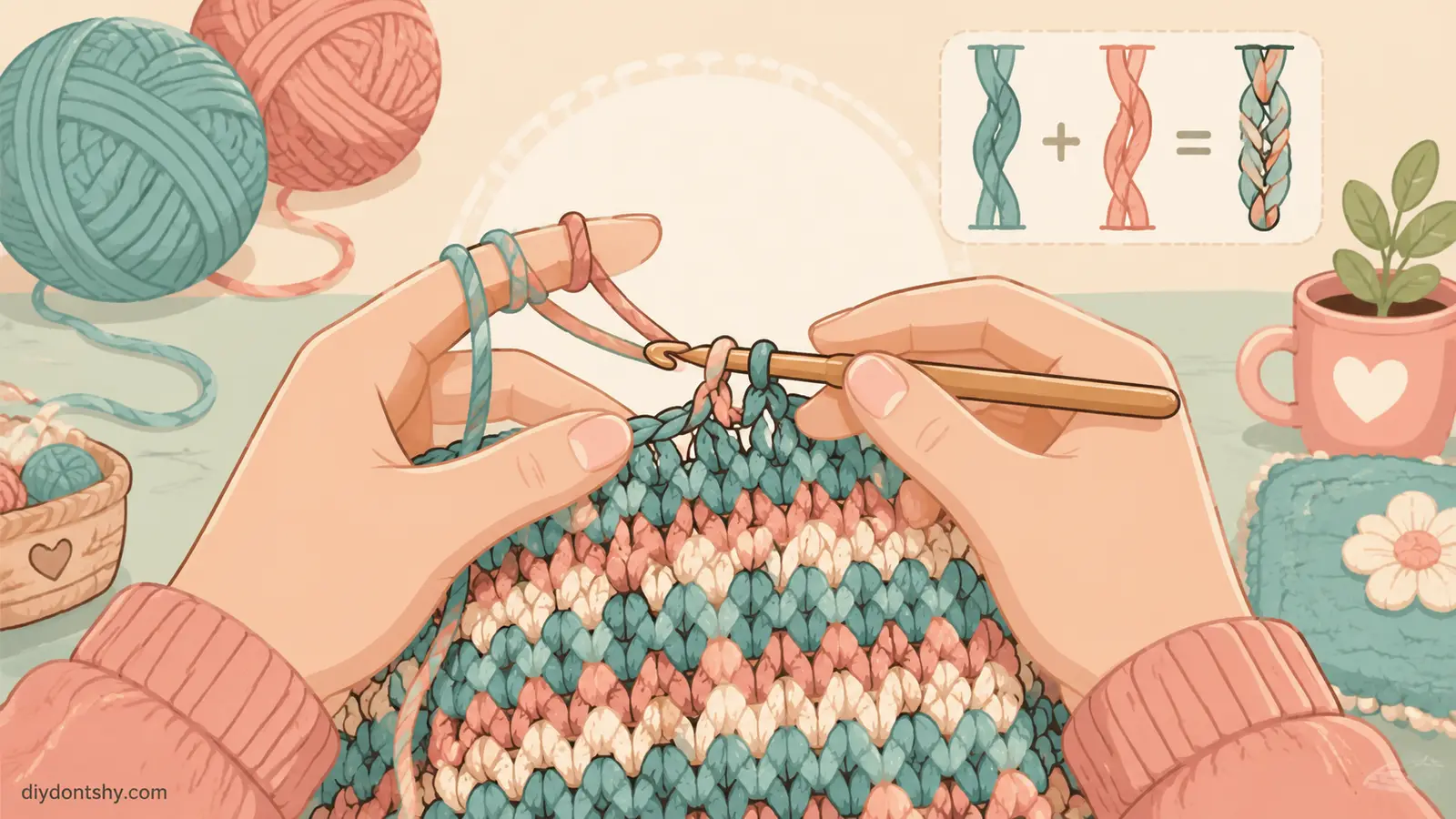
The biggest challenge beginners face with double-stranded crochet is keeping both strands balanced. One strand may pull tighter than the other, creating loops, uneven stitches, or twisted fabric. Learning to manage this tension takes practice, but it becomes natural over time.
Managing Yarn Tension with Two Skeins
Consistency is everything. If one yarn strand feeds faster than the other, the stitches lose uniformity. Many crocheters solve this by placing each skein in separate yarn bowls or containers to prevent tangling. Others hold both strands together as though they are one thicker strand.
The key is maintaining equal pull from both skeins. Imagine walking two energetic dogs at the same time. If one runs ahead while the other lags behind, the entire walk becomes chaotic. Yarn behaves similarly. Balanced tension keeps the stitches smooth and controlled.
Some crocheters prefer center-pull skeins while others unwind from the outside. Experimenting with both methods helps determine which creates smoother flow for your hands.
Preventing Twists, Knots, and Snags
Twisting is one of the most annoying parts of double-strand crochet. The strands naturally wrap around each other during movement, especially during long sessions. The easiest fix is periodically letting the yarn dangle freely so the twists unwind themselves.
Knots often happen because skeins roll unpredictably across the floor. Yarn bowls, zip bags, or dedicated project containers reduce this issue significantly. Organized yarn management may sound boring, but it dramatically improves the crocheting experience.
Patience matters too. Double-stranding feels clumsy initially because your hands are learning a new rhythm. After a few rows, muscle memory develops, and the technique becomes surprisingly smooth.
Creative Color Effects You Can Achieve with Double Strands
This is where double-stranded crochet becomes genuinely exciting. Combining yarn colors creates visual effects impossible to achieve with single-strand crochet. The finished fabric gains richness, dimension, and subtle complexity that changes under different lighting.
Marled, Gradient, and Speckled Looks
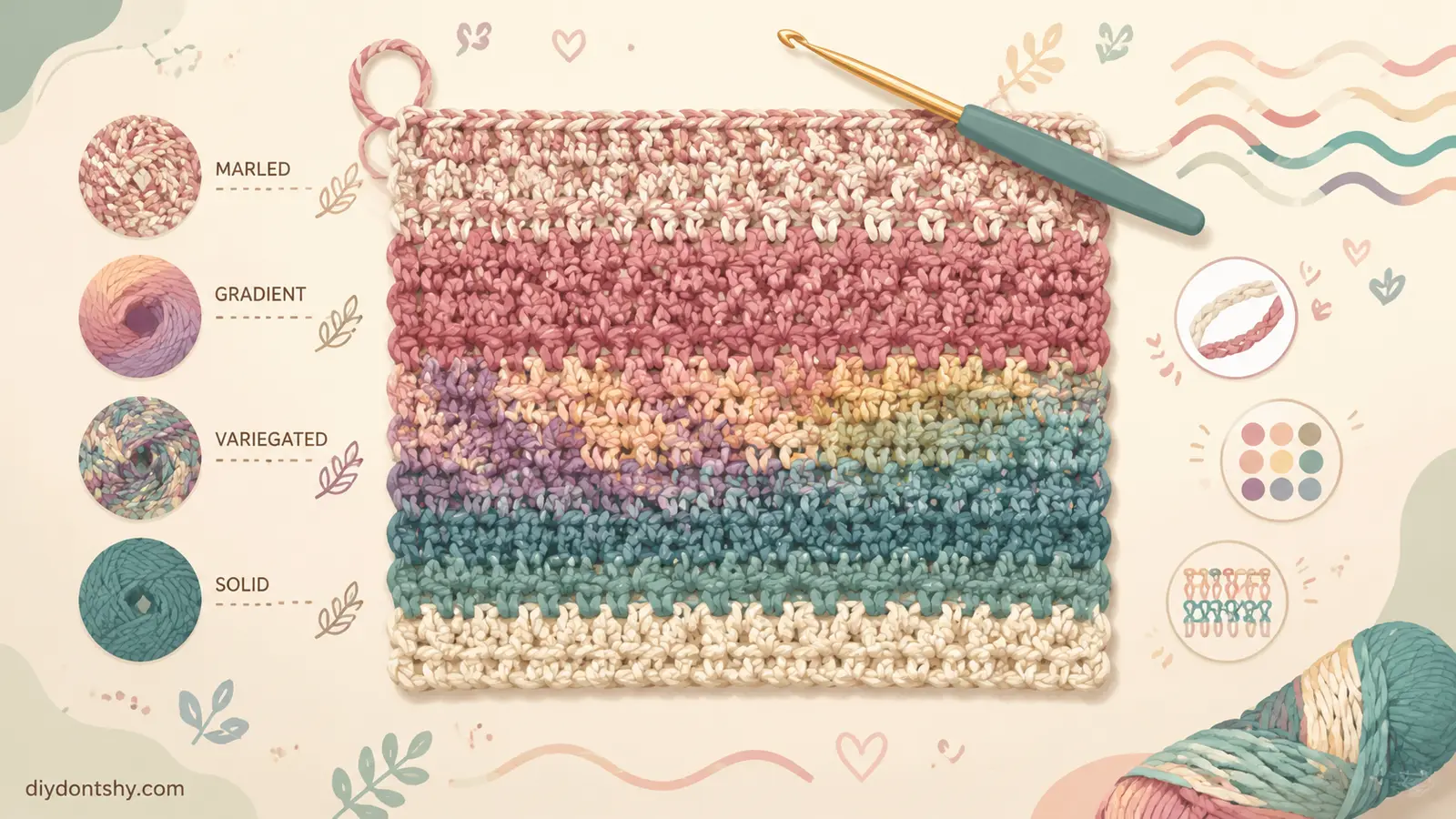
Marled crochet happens when two solid colors blend together throughout the fabric. Black and white strands create a heathered gray appearance, while blue and green produce ocean-like depth. These blended textures look sophisticated because the eye cannot fully separate the colors.
Gradient effects become especially beautiful when using long color-changing yarns. Some crocheters intentionally offset two gradient skeins so the colors transition at different times. Online discussions show growing experimentation with pulling gradient yarn from opposite ends to create dramatic blended fades.
Speckled effects emerge when pairing highly variegated yarn with a neutral strand. The neutral tone softens the chaos while allowing bursts of color to peek through organically.
Mixing Solid and Variegated Yarns
One of the easiest ways to create balanced colorwork is combining one solid yarn with one variegated yarn. This technique keeps projects visually interesting without overwhelming the stitches.
For example:
- White + rainbow variegated creates pastel softness
- Gray + jewel-tone variegated creates dramatic contrast
- Beige + earth-tone variegated creates natural texture
Current crochet trends emphasize expressive colorwork and playful blending, especially in bags, accessories, and statement garments. Double-stranding allows crocheters to achieve these high-end designer aesthetics without advanced colorwork techniques.
How Thickness Changes the Feel of the Finished Piece
Thickness changes everything in crochet. It influences drape, warmth, durability, and even emotional perception. A delicate shawl feels airy and romantic, while a chunky double-stranded blanket feels comforting and protective.
Drape vs Structure in Crochet Fabrics
Double-stranded crochet usually sacrifices some drape in exchange for structure. The fabric becomes denser and more stable. This works beautifully for baskets, rugs, bags, and oversized winter garments.
However, too much thickness can make wearables stiff and uncomfortable. Choosing softer yarns or larger hooks helps preserve flexibility. Think about the difference between denim and silk. Both are useful fabrics, but they behave completely differently because of weight and structure.
Balancing softness with stability is part of the art. Experienced crocheters intentionally adjust yarn combinations based on the project’s purpose.
Best Projects for Double-Stranded Crochet
Some projects naturally shine with doubled yarn:
- Chunky blankets
- Market bags
- Floor rugs
- Winter hats
- Storage baskets
- Sweaters
- Laptop sleeves
- Pillow covers
Online crochet communities frequently showcase double-stranded baskets, rugs, and bags because the technique creates durable, sculptural forms that hold shape beautifully.
Double-stranding also works wonderfully for experimental fashion pieces. Oversized crochet cardigans, textured totes, and layered scarves fit perfectly into modern handmade fashion aesthetics.
Mistakes That Make Projects Look Bulky or Uneven
Double-stranded crochet can look elegant and intentional, but only if handled carefully. Certain mistakes immediately make projects appear amateurish.
Using Incompatible Yarn Weights
Pairing drastically different yarn weights often creates lopsided stitches. One strand dominates while the other disappears. The result looks messy rather than artistic.
Stick to yarns within a similar thickness range unless you intentionally want dramatic texture variation. Even then, swatching remains essential.
Ignoring Gauge and Stitch Definition
Many crocheters assume doubling yarn automatically solves sizing issues. It does not. Ignoring gauge can produce sweaters that fit like cardboard boxes or blankets that stretch unpredictably.
Complex stitch patterns can also disappear under excessive thickness. Intricate lace rarely looks good when doubled because the stitches lose clarity.
Fixes That Instantly Improve Stitch Consistency
Small adjustments make huge improvements:
- Relax your grip
- Use larger hooks
- Choose smoother yarns
- Separate skeins properly
- Swatch before beginning
- Avoid overcomplicated stitch patterns
The most polished double-strand projects usually rely on simplicity. Clean stitches and balanced tension create more impact than overly complex designs.
Conclusion
Crocheting with two strands of yarn is one of the simplest ways to elevate texture, warmth, structure, and color depth in handmade projects. What starts as a practical trick quickly becomes a creative obsession because the possibilities feel endless. You can blend colors like paint, customize yarn thickness, strengthen fabric, and completely transform ordinary skeins into something unique.
The technique rewards experimentation. Some combinations create dramatic marled textures, while others produce soft gradients or architectural structure. The secret lies in balance. Matching compatible yarns, selecting appropriate hook sizes, and maintaining even tension all contribute to polished results.
Modern crochet trends continue moving toward expressive texture, oversized fabrics, and intentional handmade aesthetics. Double-stranded crochet fits naturally into this movement because it gives makers more control over texture and visual impact without requiring advanced skills.
Once your hands adapt to managing two strands at once, the process feels surprisingly intuitive. You stop seeing yarn as fixed and begin treating it like raw creative material. That shift changes everything. Suddenly, every leftover skein becomes a potential design opportunity instead of forgotten clutter sitting in a basket.
FAQs
1. Can beginners crochet with two strands of yarn?
Yes, beginners can absolutely learn this technique. It may feel awkward during the first few rows, but most crocheters adjust quickly. Starting with smooth yarn and simple stitches makes the learning process easier.
2. Do I need a bigger crochet hook for double-stranded yarn?
Usually, yes. A larger hook prevents tight, stiff stitches and allows the yarn to glide more smoothly. Most crocheters increase hook size by 1 to 3 millimeters depending on yarn thickness.
3. Can I mix different yarn brands together?
Yes, as long as the yarn weights and textures are reasonably compatible. Mixing extremely stretchy yarn with stiff yarn can create uneven tension and inconsistent stitches.
4. What is the best project for practicing double-stranded crochet?
Blankets, scarves, and simple tote bags are excellent beginner projects because they use repetitive stitches and allow plenty of practice maintaining tension.
5. Why does my double-stranded crochet look uneven?
Uneven stitches usually happen because one strand is tighter than the other or because the hook size is too small. Relaxing your grip and testing larger hooks often improves consistency dramatically.
Kareem Sallam is an Egyptian special writer based in Australia, with a strong interest in practical ideas and creative content that focuses on everyday solutions. He writes clear, engaging articles designed to be easy to follow and useful for a wide range of readers.
His work centers on DIY projects, handmade ideas, simple crafts, and home based creativity. Kareem aims to deliver content that is practical, inspiring, and accessible, helping readers turn simple materials into smart and enjoyable projects.