How to Make Canned Frosting Taste Like Homemade With Simple Additions

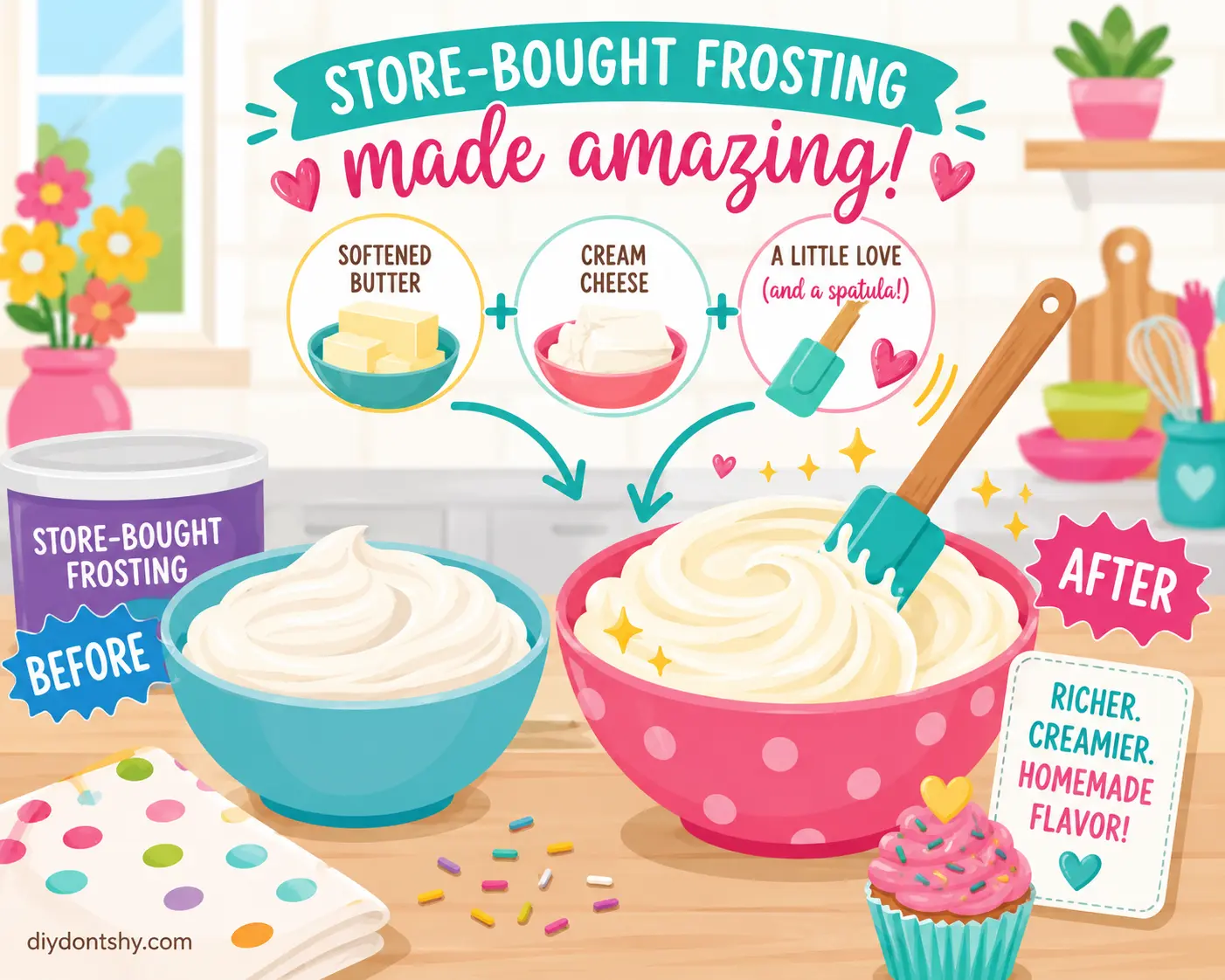
Store-bought frosting is a convenient shortcut for birthdays, holidays, and last-minute baking, but its overly sweet flavor and dense texture can make homemade desserts taste less impressive. The good news is that canned frosting is easy to improve with a few simple ingredients and techniques. By whipping it, balancing the sweetness, and adding fresh dairy or flavor boosters, you can create a frosting that tastes richer, lighter, and much closer to homemade buttercream.
Professional bakers and experienced home bakers have been enhancing canned frosting for years. Recent baking advice from Simply Recipes, Parade, and other trusted food resources recommends techniques such as whipping frosting with butter or cream cheese to improve both flavor and texture. These methods don’t hide the frosting—they enhance it, creating a fresher, more balanced result that’s ideal for cakes and cupcakes.
Why Store-Bought Frosting Often Falls Short
The Problem with Texture
One of the biggest differences between canned and homemade frosting is texture. Store-bought frosting is formulated to stay stable on the shelf for months, so it contains stabilizers, vegetable oils, and preservatives that make it dense and smooth. Homemade buttercream, on the other hand, is whipped with fresh ingredients, creating a lighter, fluffier consistency that’s easier to spread and more pleasant to eat.
Think of the difference between whipped cream and marshmallow fluff. Both are sweet, but one feels airy while the other feels dense. According to baking experts, whipping canned frosting with an electric mixer for just a few minutes incorporates air back into the mixture, making it softer, lighter, and more similar to homemade frosting.
Texture also influences flavor. Dense frosting coats the mouth more heavily, making sweetness seem stronger. A lighter, whipped frosting distributes flavor more evenly, creating a richer taste without adding extra sugar.
Why Artificial Sweetness Dominates
The second issue is sweetness. Most canned frostings are intensely sugary because sugar acts as both a flavor enhancer and preservative. The downside is that many brands end up tasting one-dimensional. Instead of creamy vanilla or deep chocolate notes, all you really taste is sugar. Some canned frostings even leave behind a slightly chemical aftertaste that instantly gives away their store-bought origin.
Food experts recommend balancing sweetness rather than trying to eliminate it entirely. Butter, cream cheese, salt, and acidic ingredients all work because they create contrast. Think about salted caramel. It’s still sweet, but the salt makes the flavor more layered and sophisticated. The same principle works with frosting.
Homemade frosting naturally contains fresh dairy ingredients that add depth and richness. Store-bought versions often rely on vegetable shortening instead. That’s why adding real butter or cream cheese instantly changes the flavor profile. The frosting stops tasting flat and starts tasting fuller, richer, and more authentic. Even a tiny splash of vanilla extract or espresso powder can shift the flavor dramatically because it masks artificial notes while enhancing natural sweetness.
Simple Ingredients That Improve Store-Bought Frosting
Adding Butter for Richness
Butter is probably the most powerful upgrade you can make to canned frosting. Just one stick of softened butter mixed into a container of frosting can completely transform the taste and texture. Butter introduces fat, richness, and creaminess that store-bought frosting lacks. It also tones down excessive sweetness naturally because the fat balances sugar intensity.
Professional bakers often use unsalted butter because it gives better control over flavor. After whipping the butter into frosting, many add a pinch of salt to sharpen the overall taste. The result feels closer to classic American buttercream rather than something squeezed from a plastic tub.
| Ingredient | Effect on Frosting | Best Used With |
|---|---|---|
| Butter | Richness and creaminess | Vanilla and chocolate frosting |
| Cream Cheese | Tangy flavor and softer sweetness | Chocolate, strawberry, carrot cake |
| Salt | Balances sugar | Any frosting type |
| Heavy Cream | Lighter consistency | Vanilla frosting |
| Vanilla Extract | Fresher flavor | White or yellow cake frosting |
The key is temperature. Cold butter won’t blend smoothly and can leave lumps. Softened butter mixes seamlessly and creates a silky texture. Using an electric mixer for several minutes helps create a fluffy consistency that feels far more homemade.
Using Cream Cheese for Tangy Flavor
Cream cheese works like a secret weapon. It adds tanginess that cuts through sugar and gives frosting a bakery-style flavor. This is especially effective for chocolate frosting because the slight tang creates a richer, more balanced taste. Many baking experts say cream cheese is the fastest way to make canned frosting feel freshly made.
The best approach is to use softened cream cheese and beat it gradually into the frosting. Adding too much at once can make the mixture runny. Start small and adjust as needed. Cream cheese also works beautifully with fruit-flavored frostings because it adds complexity without overpowering the original flavor.
Another advantage is texture. Cream cheese softens dense frosting while adding body at the same time. It creates a smoother spread and makes piping easier for cupcakes or layered cakes. The frosting feels less artificial because cream cheese introduces a fresh dairy element that canned products often lack.
Why Salt Changes Everything
Salt might seem like a strange ingredient for frosting, but it works almost like magic. A tiny pinch can completely change how sweetness is perceived. Instead of tasting aggressively sugary, the frosting becomes more balanced and flavorful.
Many bakers compare salt in desserts to seasoning in soup. Without it, flavors feel flat. With it, every ingredient becomes more noticeable. Chocolate tastes deeper, vanilla tastes warmer, and caramel notes become more pronounced.
The trick is moderation. Too much salt ruins frosting quickly. Start with a tiny pinch, mix thoroughly, and taste before adding more. Even small adjustments can make canned frosting taste significantly more sophisticated.
Whipping Techniques That Create a Lighter Texture
Using a Hand Mixer Correctly
One of the simplest frosting hacks costs absolutely nothing. Just whip the frosting. That’s it. Food experts and baking communities repeatedly recommend using a hand mixer or stand mixer to aerate canned frosting before using it.
Whipping introduces air into the frosting, making it fluffier and easier to spread. It can even increase volume noticeably, which is useful if you need extra frosting for a larger cake. Many people are shocked by how different frosting tastes after just two or three minutes of whipping.
The best method is to transfer frosting into a large mixing bowl first. Start mixing on low speed, then gradually increase speed. This prevents splattering while helping air incorporate evenly. After a few minutes, the frosting should look lighter in color and softer in texture.
Whipping also improves mouthfeel dramatically. Dense frosting can feel heavy and greasy, but whipped frosting feels delicate and creamy. It’s similar to the difference between dense mashed potatoes and whipped potatoes. Air changes everything.
Avoiding Overmixing Mistakes
There’s a fine line between fluffy frosting and ruined frosting. Overmixing can cause canned frosting to become too airy or even runny. Some bakers online mention that overwhipped frosting loses structure and becomes difficult to pipe or spread neatly.
If frosting becomes too soft, refrigerating it for 15 to 20 minutes can help restore stability. Another trick is adding powdered sugar in tiny amounts, though this should be done carefully since it increases sweetness.
Pay attention to consistency rather than time. Stop whipping once the frosting becomes light and smooth. You want it soft enough to spread easily but firm enough to hold shape on cakes and cupcakes.

Flavor Additions That Make Frosting Taste More Fresh
Extracts That Upgrade Flavor
Flavor Additions That Make Frosting Taste More Fresh
Extracts That Upgrade Flavor
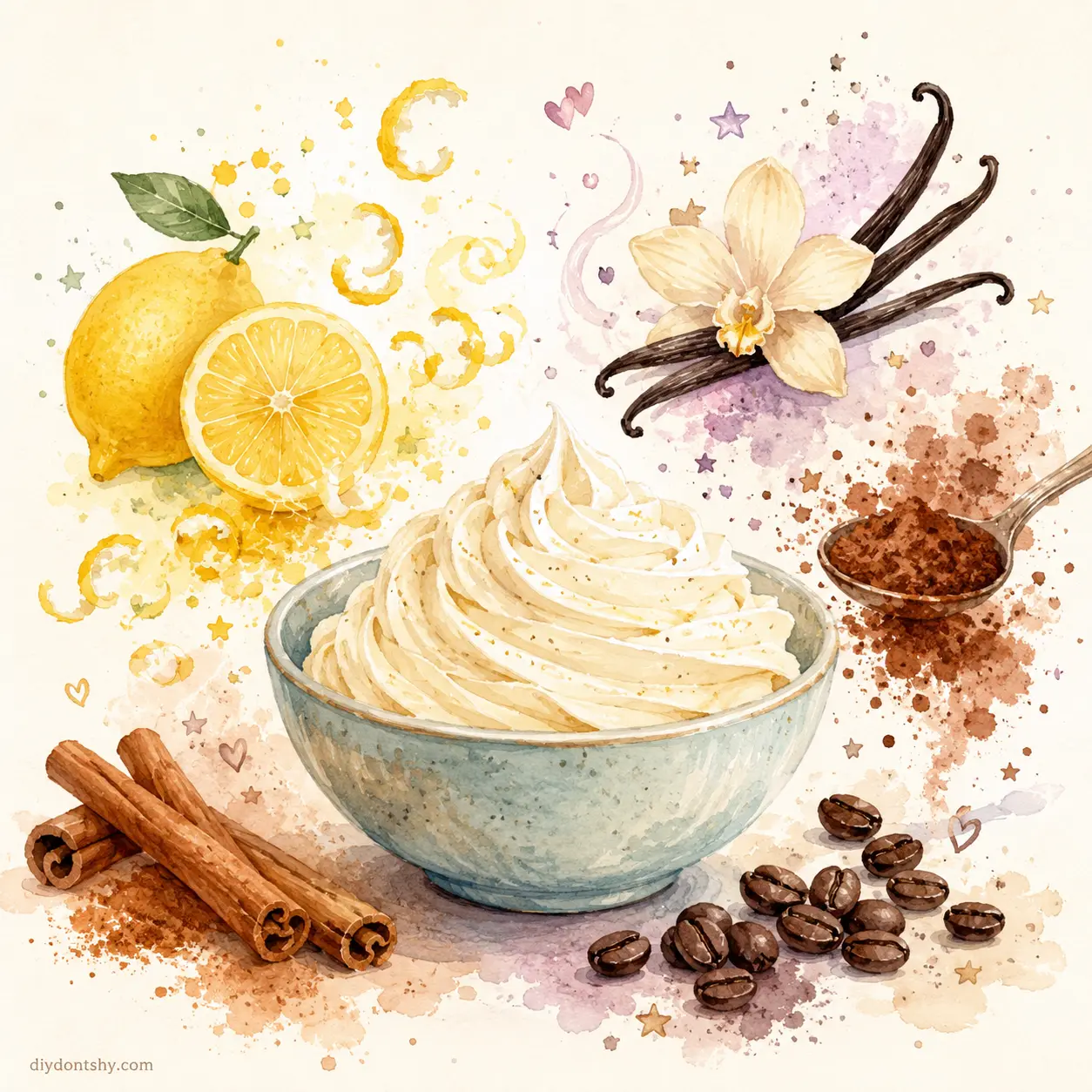
A small amount of high-quality extract can dramatically improve canned frosting. Pure vanilla extract is the most popular option because it softens artificial flavors and gives frosting a richer, homemade taste.
You can also match extracts to the dessert you’re making. Almond extract complements vanilla and yellow cakes, peppermint pairs beautifully with chocolate desserts, while coconut, maple, or lemon extract can create entirely new flavor profiles. Since extracts are concentrated, start with a few drops, mix thoroughly, and taste before adding more.
Citrus Zest and Juice Enhancements
Fresh lemon, orange, or lime zest adds natural citrus oils that brighten frosting without making it watery. A small squeeze of lemon juice can reduce the perception of excessive sweetness in vanilla frosting, while orange zest creates a classic pairing with chocolate desserts.
Coffee, Cocoa, and Spice Additions
For chocolate frosting, espresso powder or a teaspoon of strong brewed coffee intensifies the cocoa flavor without leaving a strong coffee taste. Unsweetened cocoa powder adds deeper chocolate richness, while cinnamon, nutmeg, pumpkin spice, or cardamom bring warmth and complexity that make canned frosting taste more like a homemade recipe.
Adjusting Sweetness Without Ruining Consistency
Dairy-Based Fixes
Related Reading: How to Weave a Lattice Pie Crust
Heavy cream, whipped cream, butter, and cream cheese all reduce sweetness while improving texture. Dairy introduces fat, which softens sugar intensity naturally.
Fresh whipped cream creates an especially light texture. Fold it gently into frosting instead of beating aggressively. The result feels airy and delicate, almost like mousse frosting from a bakery.
Milk or cream can also thin frosting slightly for easier spreading. Add liquids carefully, though, because too much can make frosting unstable.
Acidic Ingredients That Balance Sugar
Acid is one of the smartest ways to manage sweetness. Lemon juice, cream cheese, yogurt, and even tiny amounts of vinegar can brighten frosting without making it sour.
Acidity creates contrast, which makes desserts taste more balanced overall. Think about cheesecake. It’s sweet, but the tanginess keeps it from becoming overwhelming. The same idea works with frosting.
The trick is subtlety. You want frosting to taste fresher and more balanced, not obviously acidic.
Rich Mix-Ins That Add a Homemade Feel
Chocolate and Candy Additions
Texture instantly makes frosting feel more homemade. Chocolate chips, chopped cookies, crushed candies, or melted chocolate create visual and flavor variation that canned frosting lacks.
Melted chocolate works particularly well because it adds richness while thickening frosting slightly. Crushed cookies add crunch and personality. Suddenly the frosting doesn’t look mass-produced anymore.
Mix-ins also create a custom feel. Nobody assumes frosting with crushed Oreos or peanut butter cups came directly from a can.
Nuts, Coconut, and Fruit Mix-Ins
Toasted pecans, walnuts, almonds, shredded coconut, and chopped fruit create bakery-style textures that elevate frosting immediately.
Toasting nuts before adding them intensifies flavor dramatically. Coconut flakes add chewiness and sweetness without relying entirely on sugar. Fruit preserves or jams introduce freshness and natural flavor.
These mix-ins work especially well for layered cakes because they create contrast between frosting and cake texture.
Matching Frosting Flavors with Different Cakes
Vanilla Frosting Pairings
Matching Frosting Flavors with Different Cakes
Vanilla Frosting Pairings
Vanilla frosting is one of the easiest frostings to customize because it complements a wide variety of cakes. A little lemon zest brightens white and lemon cakes, while almond extract pairs especially well with yellow cake, cherry desserts, and classic vanilla sponge.
Popular combinations include:
• Vanilla frosting + lemon cake
• Vanilla frosting + strawberry cake
• Almond vanilla frosting + yellow cake
• Vanilla frosting + funfetti cake
Chocolate Frosting Pairings
Chocolate frosting becomes even richer when enhanced with espresso powder, caramel, or a pinch of sea salt. It pairs exceptionally well with vanilla, chocolate, coffee, strawberry, and peanut butter cakes because each combination creates a balanced flavor instead of overwhelming sweetness.
Choosing complementary frosting and cake flavors helps create a dessert that tastes thoughtfully made and much closer to a bakery-quality treat.
Storage Tips After Customizing the Frosting
Read Also: How to Cook a Homemade Frozen Lasagna
Refrigeration and Shelf Life
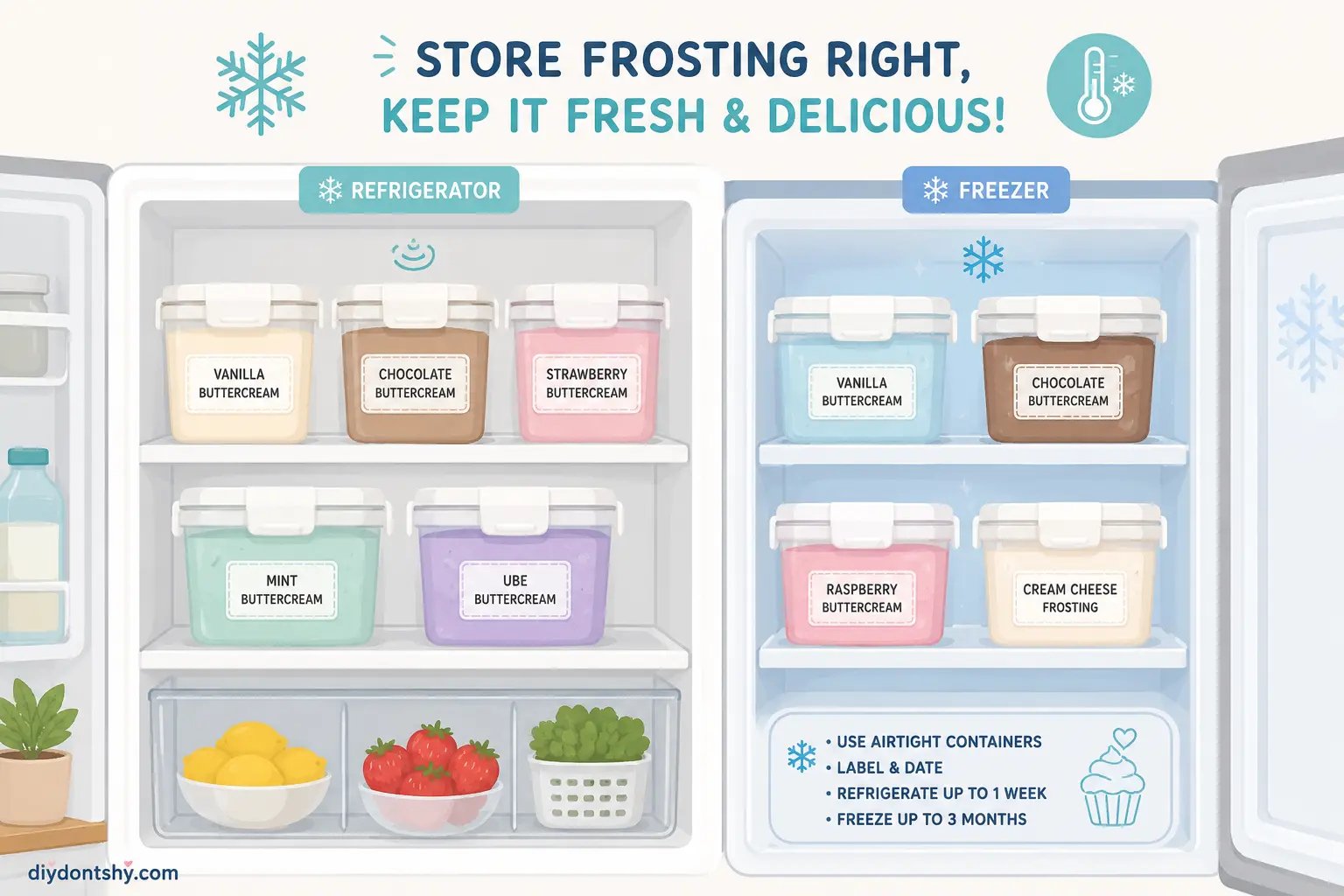
Once you add dairy ingredients like butter, cream cheese, or whipped cream, frosting should be refrigerated. Homemade-style frosting doesn’t have the same shelf stability as unopened canned frosting.
Store customized frosting in an airtight container and use it within three to five days for best quality. Before using refrigerated frosting, allow it to sit at room temperature briefly and rewhip if needed.
According to recent storage guides, unopened canned frosting can last for months, but once modified with fresh ingredients, it behaves much more like homemade frosting.
Freezing Frosting Successfully
Customized frosting freezes surprisingly well. Place it in an airtight container, leaving slight room for expansion. Frozen frosting usually keeps quality for up to three months.
When ready to use, thaw frosting overnight in the refrigerator and rewhip lightly before spreading. This restores texture and consistency.
Freezing works especially well for butter-enhanced frosting because butter stabilizes texture during thawing.
Conclusion
Canned frosting doesn’t have to taste artificial, overly sweet, or disappointingly flat. With a few strategic upgrades, you can turn an inexpensive tub of frosting into something rich, fluffy, and bakery-worthy. Butter adds depth, cream cheese balances sweetness, whipping creates airy texture, and fresh flavor additions completely transform the experience.
The beauty of these frosting hacks is that they’re flexible. You don’t need professional baking skills or expensive ingredients. A pinch of salt, a splash of vanilla, or a few minutes with a mixer can make a shocking difference. It’s less about following rigid rules and more about treating canned frosting as a starting point instead of a finished product.
Once you experiment with different combinations, you’ll probably stop seeing canned frosting as a shortcut and start seeing it as a blank canvas. And honestly, that’s when baking becomes fun.
FAQs
1. Can I make canned frosting less sweet without changing the texture?
Yes. Adding cream cheese, butter, or a pinch of salt can reduce perceived sweetness while keeping the frosting smooth and spreadable.
2. How long should I whip canned frosting?
Usually two to three minutes with a hand mixer is enough. Stop once the frosting becomes lighter and fluffier.
3. Can I add fresh fruit to canned frosting?
Yes, but use small amounts or fruit preserves instead of large chunks of fresh fruit to avoid making the frosting watery.
4. Does whipped canned frosting hold up for piping decorations?
Yes, as long as it isn’t overwhipped. If it becomes too soft, refrigerate it briefly before piping.
5. What’s the best ingredient for making frosting taste homemade quickly?
Butter is usually the fastest and most effective upgrade because it improves both flavor and texture immediately.

Kareem Sallam is an Egyptian special writer based in Australia, with a strong interest in practical ideas and creative content that focuses on everyday solutions. He writes clear, engaging articles designed to be easy to follow and useful for a wide range of readers.
His work centers on DIY projects, handmade ideas, simple crafts, and home based creativity. Kareem aims to deliver content that is practical, inspiring, and accessible, helping readers turn simple materials into smart and enjoyable projects.