What to Write on Thank You Cards Wedding Guests Will Appreciate
When the music fades, the flowers wilt, and the honeymoon photos finally make it onto your phone wallpaper, one meaningful task still waits quietly in the background: writing your wedding thank you cards. It sounds simple until you sit down with a blank card and suddenly wonder, What exactly am I supposed to say? Do you mention the gift? How personal should it be? What if someone gave money? And how do you avoid sounding like a copy-and-paste robot after card number thirty-seven?
Wedding thank you cards are more than etiquette. They’re emotional bookmarks. They tell people their presence, support, and generosity mattered. In a world full of quick texts and emoji reactions, a thoughtful handwritten card still feels rare and memorable. According to recent wedding etiquette guidance from sources like and , personalized notes remain one of the most appreciated post-wedding traditions.
Contents
Why Wedding Thank You Cards Still Matter
The Emotional Value Behind a Handwritten Note
Wedding thank you cards may seem old-fashioned in an age dominated by instant communication, but that’s exactly why they carry so much emotional weight. A handwritten card tells someone you slowed down long enough to think about them specifically. That small act of intentionality speaks volumes. People don’t just remember the wedding cake or the playlist from the dance floor. They remember how you made them feel, and gratitude has a surprisingly long shelf life.
Think about the effort many guests put into attending weddings today. Some travel across the country. Others take time off work, book hotels, buy formal clothes, arrange childcare, or contribute financially through generous gifts. A thank you card acknowledges all of that invisible effort. According to etiquette experts referenced by and , handwritten gratitude continues to create stronger emotional connections than digital messages.
The beauty of wedding thank you cards lies in their permanence. Text messages disappear into endless conversations. Emails get archived. But handwritten cards often end up tucked into drawers, memory boxes, or refrigerators. They become physical reminders of a meaningful moment. That’s why authenticity matters more than perfect wording. Guests aren’t expecting literary masterpieces. They simply want to feel remembered.
Why Guests Remember Thoughtful Thank You Messages
People can instantly tell when a thank you note feels rushed or generic. You know the kind: “Thanks for the gift. We appreciate it.” Technically polite? Sure. Memorable? Not even close. The best thank you cards sound like an actual conversation. They reflect personality, warmth, and shared experiences. Even a short message can feel deeply personal if it includes a specific detail.
A thoughtful note doesn’t need dramatic emotional language. Sometimes the smallest observations carry the most meaning. Mentioning how someone made you laugh during the reception or how much you appreciated their long trip to attend instantly transforms a standard note into something heartfelt. It’s the difference between checking a task off a list and strengthening a relationship.
Wedding experts from emphasize that personalization matters far more than length. Guests want acknowledgment, not perfection. That means even if you’re exhausted after the wedding chaos, taking a few extra minutes to personalize each message pays off emotionally.
Finding the Right Tone for Your Wedding Thank You Cards
Balancing Formality and Warmth
One of the biggest struggles couples face is deciding how formal their thank you cards should sound. Should they read like elegant etiquette letters or casual messages between friends? The truth sits somewhere comfortably in the middle. You want your card to feel polished without sounding stiff, and warm without sounding careless.
Imagine your thank you card as the final dance of your wedding celebration. It should match the spirit of the event itself. If your wedding was elegant and traditional, a slightly more formal tone makes sense. If your wedding felt relaxed and playful, your wording can reflect that personality too. The goal is consistency. Guests should recognize your voice in the message.
A simple formula often works best: gratitude first, personalization second, warmth throughout. Instead of forcing elaborate phrasing, write the way you naturally speak when sincerely thanking someone face-to-face. That authenticity matters more than trying to sound poetic. Overly formal wording can sometimes create emotional distance instead of closeness.
Matching Your Card Tone to Your Relationship
Not every thank you card should sound identical because not every relationship is identical. The note you send your college roommate will naturally feel different from the one you send your boss or elderly relatives. That flexibility is actually helpful because it prevents your writing from becoming robotic.
For close friends, humor and casual memories can make the note feel alive. For family members, emotional warmth often feels more appropriate. For professional acquaintances, respectful appreciation usually works best. Think of each card like adjusting the lighting in a room. The core structure stays the same, but the atmosphere changes slightly depending on who’s receiving it.
Here’s a helpful comparison table for tone adjustments:
| Relationship | Best Tone | Example Style |
|---|---|---|
| Close Friends | Casual and warm | “We’re still laughing about your dance moves!” |
| Family | Emotional and appreciative | “Your support meant the world to us.” |
| Coworkers | Polite but personal | “We truly appreciated your thoughtful gift.” |
| Elderly Relatives | Respectful and heartfelt | “Your presence made our day even more special.” |
The secret isn’t sounding impressive. It’s sounding sincere.
The Basic Structure of a Great Wedding Thank You Card
Start With Genuine Appreciation
Every great thank you card begins with one essential ingredient: direct gratitude. That sounds obvious, but many people accidentally bury the actual thank you beneath too much explanation or filler language. Start strong and clear. Let the recipient immediately feel appreciated.
For example, instead of writing, “We finally returned from our honeymoon and started opening gifts,” begin with something more emotionally focused like, “Thank you so much for celebrating our wedding with us and for your incredibly thoughtful gift.” That immediately centers the recipient rather than your schedule or stress.
Starting with gratitude creates emotional warmth right away. It’s like opening the front door before inviting someone inside. The note feels welcoming from the very first sentence.
Mention the Specific Gift or Gesture
Specificity is what transforms a generic thank you into a memorable one. Mentioning the exact gift shows attentiveness and care. It reassures guests that their effort was noticed and valued. According to etiquette guidance from , personalized acknowledgment remains one of the most important parts of wedding thank you etiquette.
If someone gave cookware, mention the cookware. If they contributed money, thank them for their generosity and briefly mention how it will help your future. If they traveled a long distance, acknowledge their effort. People appreciate feeling seen rather than processed through a template.
Add a Personal Detail or Memory
This is the magic ingredient that makes a card feel human. Personal details don’t have to be dramatic. Small memories work beautifully because they feel authentic. Mention dancing together, sharing a conversation, or even seeing them enjoy a particular moment during the reception.
Think of these details like seasoning in a recipe. Without them, the note still functions, but it lacks flavor. A single personal sentence can completely change how a message feels emotionally.
End With Warm Future Intentions
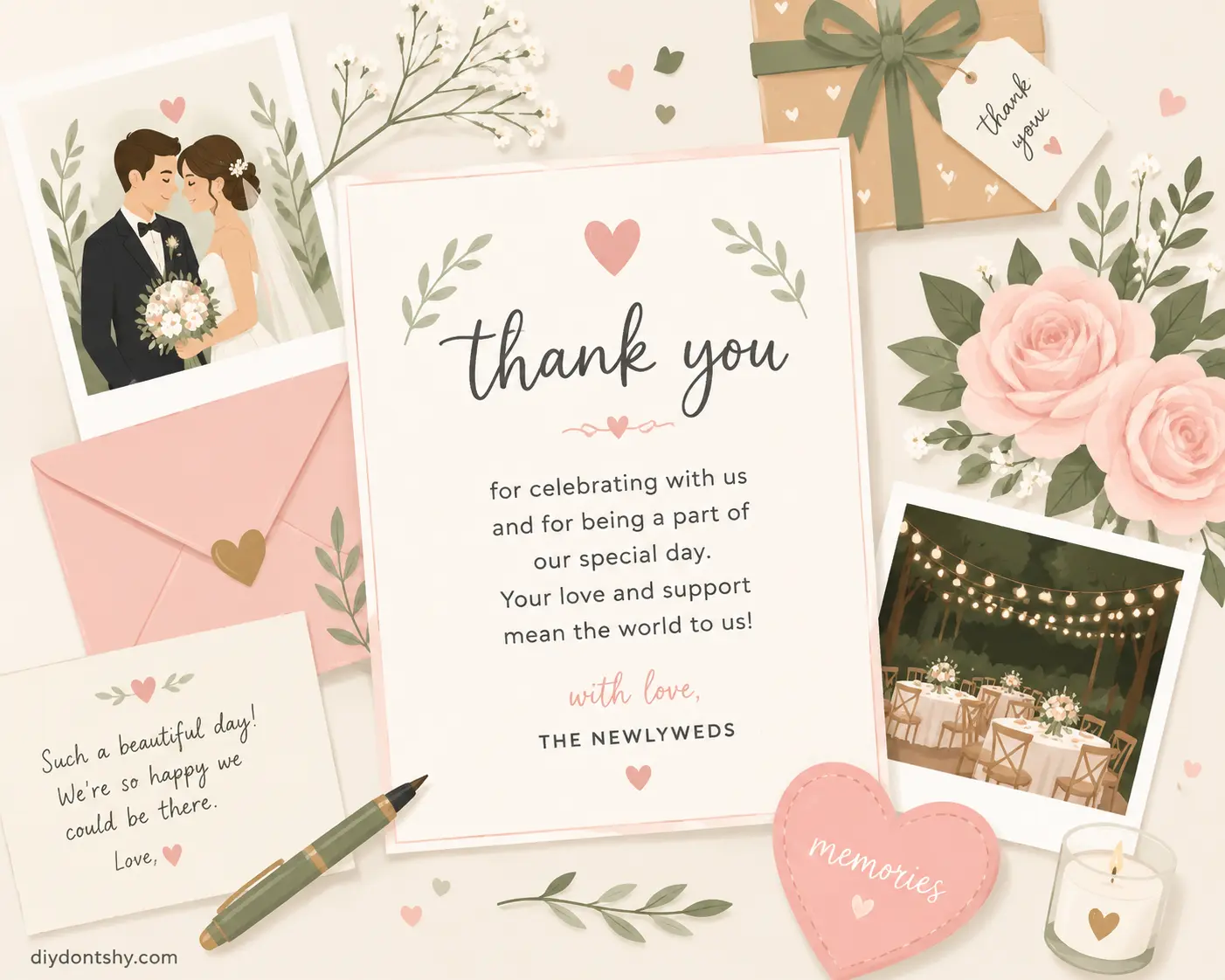
The ending of your thank you card should feel open-hearted rather than abrupt. Warm closings create emotional continuity. Instead of simply signing your names, include a sentence about future connection. Something like, “We can’t wait to see you again soon,” or “We’re looking forward to having you over once we’re settled.”
That future-oriented warmth keeps the relationship moving forward instead of making the note feel transactional.
Mentioning the Gift Without Sounding Repetitive
Creative Ways to Acknowledge Common Gifts
After writing dozens of thank you cards, repetition becomes unavoidable unless you intentionally vary your wording. This happens especially with registry gifts or cash contributions because many guests often give similar items. The trick isn’t avoiding repetition completely. It’s changing your emotional framing.
Instead of repeating “Thank you for the beautiful gift,” rotate your language naturally:
- We’re excited to use the serving set during family dinners.
- Your thoughtful gift already has a place in our kitchen.
- We’ve been using the coffee machine nonstop since returning home.
- The luggage set is going to see plenty of adventures with us.
Notice how each example focuses on future use and emotional connection rather than the object alone. That keeps your writing feeling fresh.
Writing About Money Gifts Gracefully
Cash gifts make many couples nervous because they worry about sounding awkward or overly financial. The easiest solution is to focus on purpose rather than amount. Never mention exact dollar figures. Instead, explain how the gift will support your future together.
For example:
| Situation | Better Wording |
|---|---|
| Honeymoon fund | “Your generous gift helped create unforgettable honeymoon memories.” |
| Home savings | “We’re grateful for your contribution as we build our first home together.” |
| General money gift | “Your generosity means so much as we begin this new chapter.” |
Experts from recommend acknowledging monetary gifts warmly while keeping the wording elegant and future-focused.
Thoughtful Ways to Thank Guests for Their Presence and Support
Recognizing Travel and Effort
Sometimes the greatest gift isn’t wrapped in paper at all. Guests who travel long distances or rearrange busy schedules often sacrifice more than couples realize. Acknowledging that effort creates powerful emotional resonance.
For destination weddings especially, guests may spend thousands attending your celebration. Recent discussions highlighted by show that many guests deeply value thoughtful acknowledgment after making major commitments to attend.
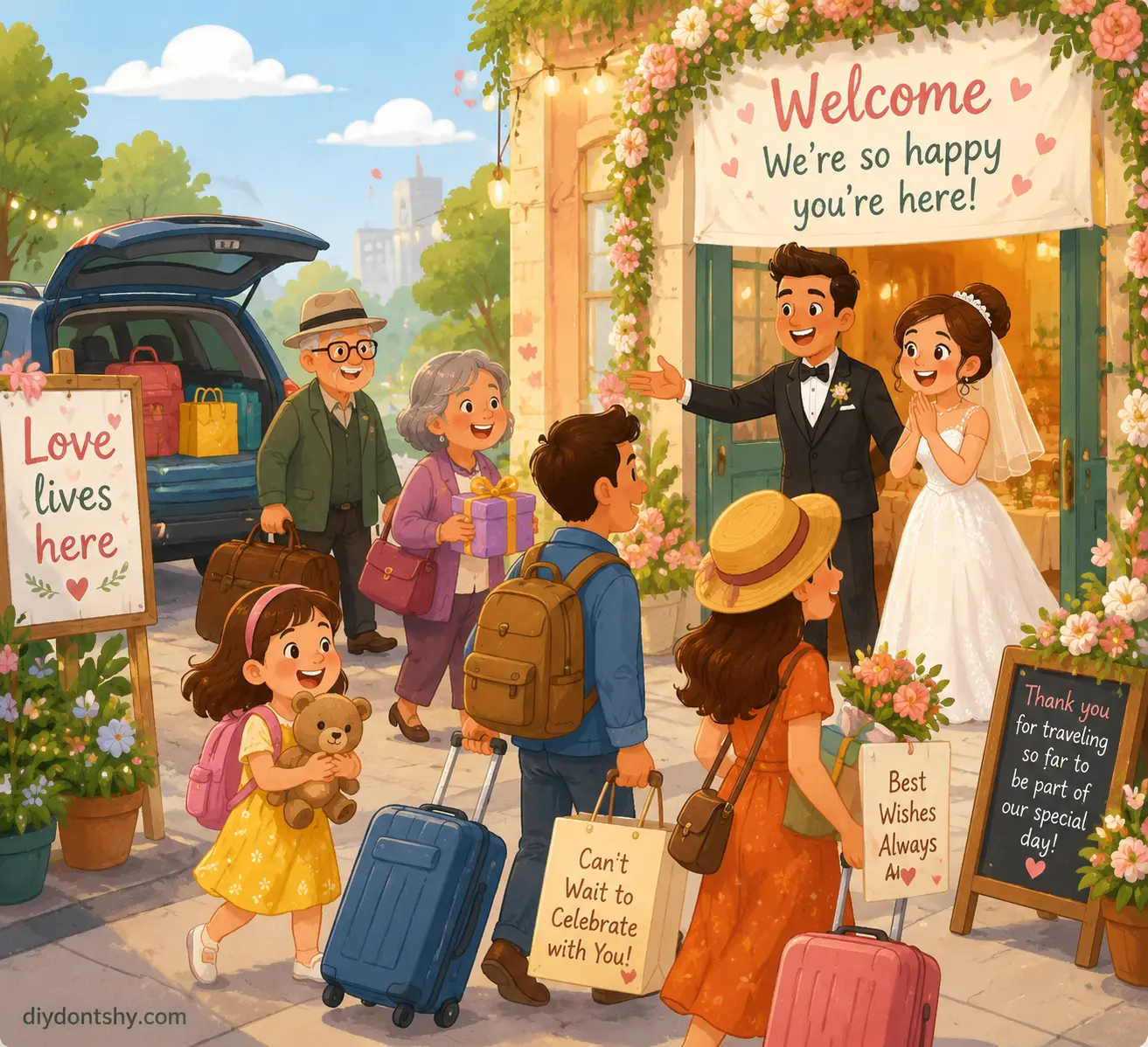
Even a simple line like, “We know traveling wasn’t easy, and having you there meant so much to us,” can make guests feel genuinely appreciated.
Thanking Guests Who Helped Beyond the Wedding Day
Some people contribute far beyond a wedding gift. Maybe they helped organize events, calmed wedding nerves, assembled decorations, or supported you emotionally throughout the planning process. Those contributions deserve recognition too.
The best way to thank these guests is by naming their impact specifically. Instead of vague praise, explain exactly how they helped. That clarity makes your gratitude feel authentic instead of ceremonial.
Short Wedding Thank You Messages That Still Feel Personal
Examples for Friends
Short messages can absolutely feel meaningful when written thoughtfully. Here are a few examples:
“Thank you for celebrating with us and for your thoughtful gift. Seeing you on the dance floor made the night even more unforgettable.”
“We loved having you at our wedding. Your friendship and generosity mean so much to us as we begin this new chapter together.”
Examples for Family
Family-focused messages often benefit from emotional warmth:
“Thank you for your endless love and support throughout our wedding journey. Having you beside us made the day feel complete.”
“We’re so grateful for your thoughtful gift and for everything you’ve done for us over the years.”
Examples for Coworkers and Acquaintances
Professional relationships usually call for slightly more polished wording:
“Thank you for your generous gift and warm wishes. We truly appreciated your kindness and support during such a special time.”
“Your thoughtful gesture meant so much to us. Thank you for celebrating this exciting chapter in our lives.”
What to Include When Someone Gave Money or Group Gifts
Mentioning Future Plans Respectfully
When guests contribute financially, they often appreciate hearing how their gift will be used. The key is sounding grateful rather than transactional. Focus on experiences, goals, or shared dreams rather than financial specifics.
You might mention:
- Home improvements
- Honeymoon experiences
- Future travel
- Savings goals
- Building a shared life together
This helps guests feel connected to your future rather than simply feeling like they transferred money.
Acknowledging Shared Gifts Without Confusion
Group gifts can create wording challenges because multiple people contributed together. The easiest approach is acknowledging the group collectively while still sounding personal.
For example:
“Thank you all so much for the incredibly thoughtful patio set. We’re already imagining summer dinners outside with friends and family.”
That wording feels inclusive and emotionally warm without becoming complicated.
Timing Etiquette That Many Couples Overlook
When to Send Thank You Cards
Timing matters more than many couples realize. Modern etiquette sources consistently recommend sending wedding thank you cards within roughly three months after the wedding. Gifts received before the wedding should ideally be acknowledged sooner.
According to recent etiquette discussions from and , the old “one-year rule” is widely considered outdated.
Here’s a quick reference guide:
| Gift Timing | Recommended Thank You Timing |
|---|---|
| Before wedding | Within 2 weeks if possible |
| At the wedding | Within 3 months |
| After the wedding | As soon as reasonably possible |
Common Timing Mistakes Couples Make
One major mistake couples make is waiting until every single card can be completed perfectly. That perfectionism often creates massive delays. Instead, work in manageable batches. Even writing five cards per evening can keep the process from becoming overwhelming.
Another common issue is failing to track gifts properly. Experts frequently recommend maintaining a spreadsheet or written log so details don’t get forgotten later.
The most important thing? Don’t let fear of imperfection stop you from expressing gratitude.
Making Each Card Feel Genuine Instead of Generic
Simple Techniques to Personalize Every Message
Personalization doesn’t require writing a novel for every guest. Small details create enormous emotional impact. Mention:
- A funny wedding moment
- Shared history
- A future plan
- How you’ll use the gift
- Their emotional support
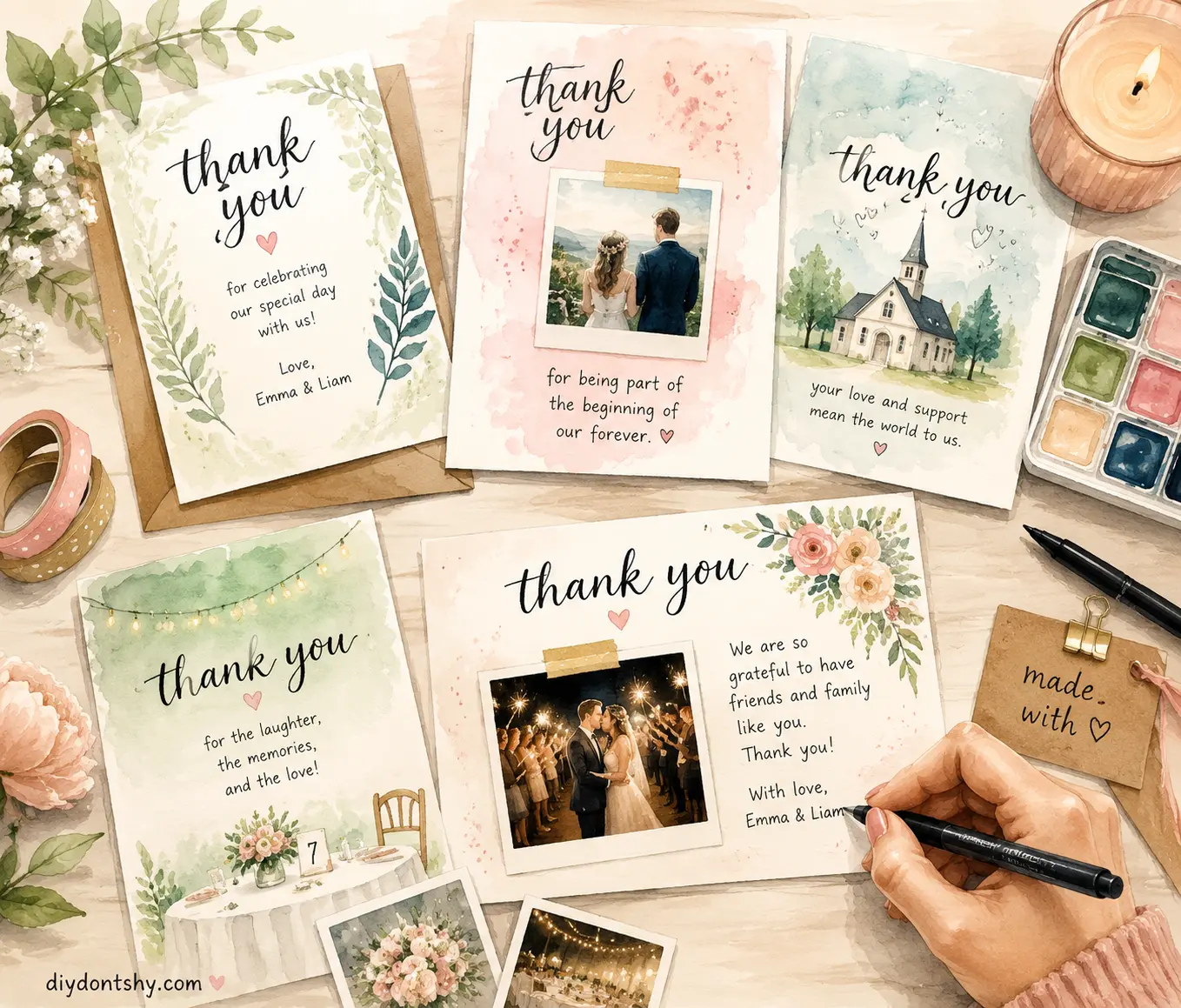
Even changing sentence structure slightly from card to card helps your writing feel more natural.
One surprisingly effective trick is imagining the recipient sitting across from you while you write. That mental shift changes your tone immediately. Suddenly your words become conversational instead of performative.
Avoiding Overused Wedding Thank You Phrases
Certain phrases appear so often in wedding cards that they’ve become emotionally invisible. Expressions like “Thank you for your generous gift” or “We appreciate your kindness” aren’t wrong, but they become stronger when paired with personal detail.
Compare these examples:
Generic:
“Thank you for your thoughtful gift.”
Personalized:
“Thank you for the beautiful wine glasses. We already used them during our first dinner at home after the honeymoon.”
The second version creates imagery, emotion, and specificity. That’s what people remember.
Conclusion
Writing wedding thank you cards can feel overwhelming at first, especially after the emotional and physical exhaustion of planning a wedding. But beneath all the etiquette rules and wording questions, the goal is surprisingly simple: make people feel appreciated. That’s it. Your guests don’t expect perfection. They want sincerity, warmth, and acknowledgment.
The best wedding thank you cards sound human. They recognize gifts thoughtfully without sounding repetitive. They appreciate presence and effort, not just presents. They balance warmth with authenticity and avoid robotic phrasing. Most importantly, they reflect the personality of the couple writing them.
Years from now, your guests probably won’t remember every centerpiece or cocktail option from your wedding day. But many will remember how your thank you note made them feel. That tiny card becomes the final emotional chapter of your celebration; a quiet but meaningful reminder that love grows strongest when gratitude is spoken out loud.
FAQs
1. How long should a wedding thank you card be?
A wedding thank you card doesn’t need to be extremely long. A heartfelt message of four to six thoughtful sentences is usually perfect. Quality matters far more than length.
2. Should wedding thank you cards always be handwritten?
Yes, handwritten cards are still considered the gold standard for wedding thank you etiquette. They feel more personal and meaningful than digital messages.
3. Is it okay to thank guests for attending even if they didn’t give a gift?
Absolutely. Many couples choose to thank guests simply for attending, especially if travel or significant effort was involved. Presence itself can be meaningful support.
4. What should you avoid writing in a wedding thank you card?
Avoid mentioning exact cash amounts, apologizing excessively for late cards, or using copy-paste generic wording. Guests value authenticity more than perfection.
5. Can both partners sign the same thank you card?
Yes. In fact, etiquette experts generally recommend both partners signing each card, even if one person primarily wrote the message.

Kareem Sallam is an Egyptian special writer based in Australia, with a strong interest in practical ideas and creative content that focuses on everyday solutions. He writes clear, engaging articles designed to be easy to follow and useful for a wide range of readers.
His work centers on DIY projects, handmade ideas, simple crafts, and home based creativity. Kareem aims to deliver content that is practical, inspiring, and accessible, helping readers turn simple materials into smart and enjoyable projects.