How Long Does Paint Last on Brick Before It Needs Attention
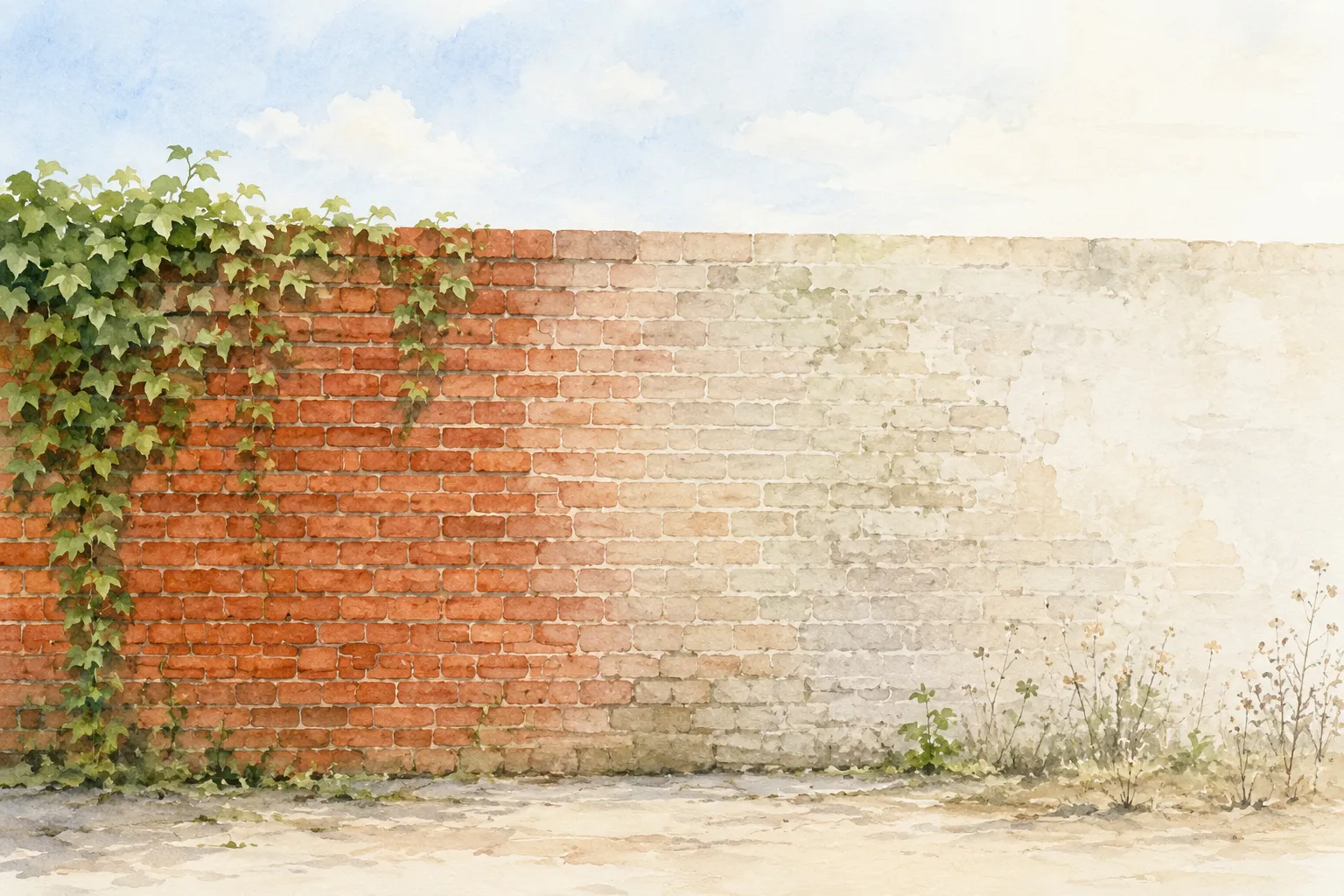
Painting brick can completely transform the appearance of a home. A dark, outdated brick exterior can suddenly look modern and clean with a fresh coat of paint. Interior brick fireplaces can shift from rustic and heavy to bright and contemporary in a weekend. But once brick gets painted, the question homeowners eventually ask is simple: how long does paint actually last on brick?
The answer is not as straightforward as many paint companies would like you to believe. Some painted brick surfaces stay beautiful for nearly two decades, while others start peeling in only a few years. Real-world durability depends on climate, moisture, preparation, paint quality, and even the type of brick underneath. According to several recent home improvement and painting industry reports, painted brick exteriors typically last anywhere from 5 to 20 years, while interior painted brick can last 20 years or longer when maintained properly.
Think of painted brick like a rain jacket for your home. If the jacket breathes properly, fits correctly, and stays clean, it protects for years. But if moisture gets trapped underneath, the entire system starts failing from the inside out. That’s exactly what happens with brick paint. Brick naturally absorbs and releases moisture, so the paint needs to work with the material instead of against it.
Understanding what affects paint durability on brick surfaces can save homeowners thousands of dollars in repairs and repainting costs. It can also help avoid serious structural problems caused by trapped moisture. Whether you are thinking about painting brick for the first time or trying to extend the life of existing painted masonry, knowing the warning signs and best practices makes all the difference.
Contents
Understanding the Average Lifespan of Painted Brick
Typical Lifespan for Exterior Brick Paint
Exterior painted brick usually lasts between 7 and 15 years, although some high-quality masonry coatings can survive closer to 20 years in mild climates. The wide range exists because no two homes experience the same environmental conditions. A painted brick home in a dry desert climate lives a very different life than one exposed to constant rain, humidity, and freeze-thaw cycles.
Exterior brick faces nonstop punishment from nature. Sunlight breaks down paint binders over time, heavy rain forces moisture into masonry pores, and temperature swings cause brick to expand and contract. In colder regions, trapped water can freeze inside the brick and create pressure that cracks both paint and masonry. That’s why many professional painters emphasize breathable masonry paints specifically designed for brick surfaces.
The quality of the original preparation also changes everything. Homeowners sometimes assume paint failure means the product itself was bad, but preparation is often the real culprit. Dirt, mildew, efflorescence, and loose mortar can prevent paint from bonding properly. Even premium paint will fail quickly when applied to damp or contaminated brick.
Recent industry data shows that homes using masonry-specific breathable coatings generally experience much longer durability than those painted with standard exterior latex paints. Some professionals now recommend mineral-based masonry paints because they allow vapor movement while still protecting the surface.
How Interior Brick Paint Holds Up Differently
Interior painted brick generally lasts much longer than exterior painted brick because it lives in a far more stable environment. Fireplaces, exposed brick walls, and decorative interior masonry are not exposed to rain, UV radiation, snow, or severe temperature swings. Many homeowners find that interior brick paint can remain attractive for 20 years or more with minimal maintenance.
That does not mean interior brick is maintenance-free. Kitchens and fireplaces introduce heat, smoke residue, grease, and humidity that slowly affect paint performance. Basement brick can also create problems if moisture seeps through foundation walls. Still, compared to exterior masonry, indoor painted brick has a much easier life.
Color fading also happens far more slowly indoors. Sunlight through windows may gradually dull darker colors over time, but the process is much slower than direct outdoor UV exposure. This allows homeowners greater flexibility when choosing bold or dramatic paint colors for interior brick features.
Interior brick painting also offers more room for creativity. Whitewashing, limewashing, and specialty finishes are often easier to maintain inside because they are not constantly battling harsh weather conditions. That is one reason many designers encourage homeowners to experiment with painted interior brick while being more cautious about exterior brick projects.
What Affects the Lifespan of Paint on Brick Surfaces
Climate and Weather Exposure
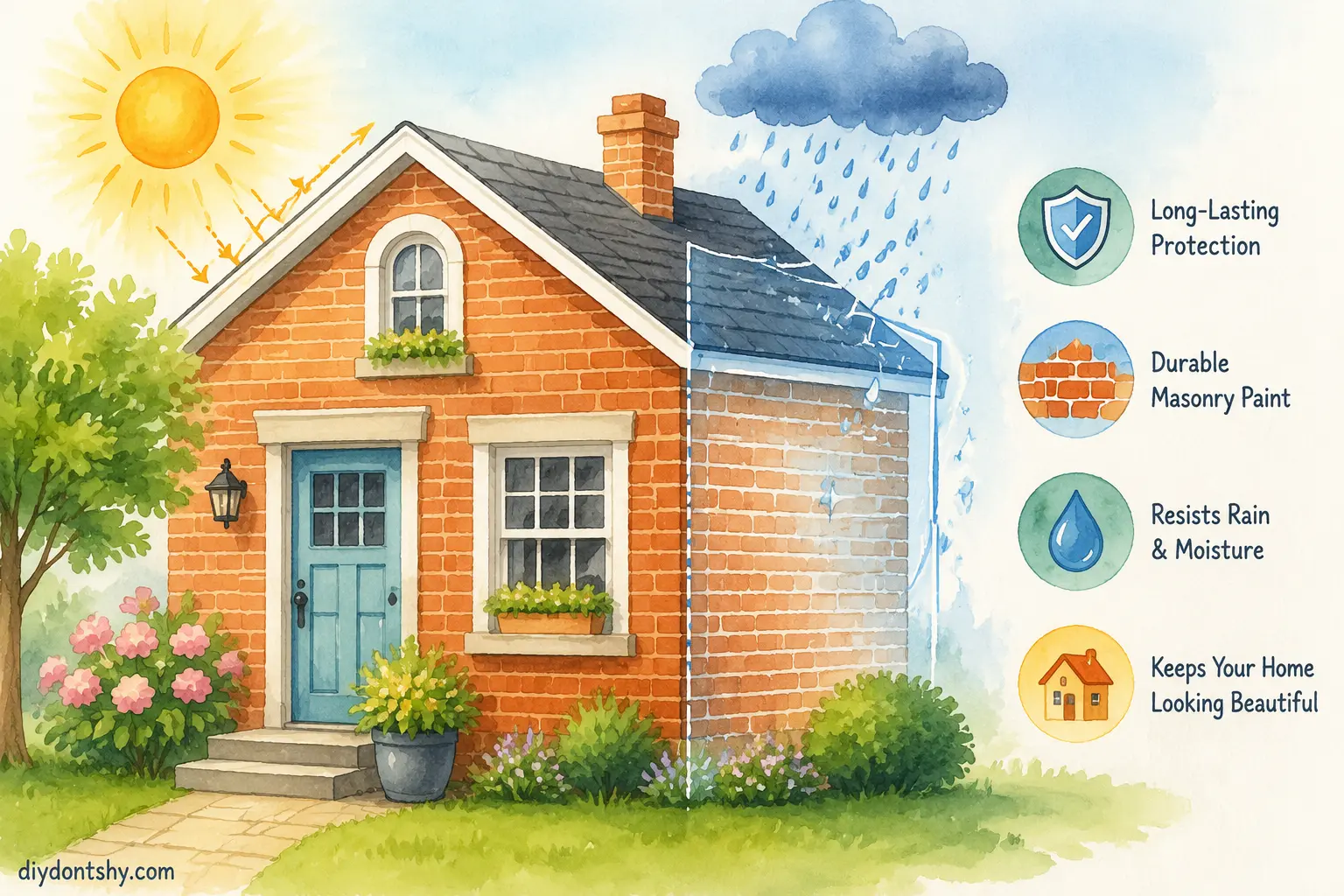
Climate might be the single biggest factor determining how long paint lasts on brick. Homes located in humid regions face constant moisture exposure, while homes in sunny climates battle relentless UV damage. Coastal properties add another enemy into the mix: salt air.
In regions with frequent rainfall, brick absorbs moisture repeatedly throughout the year. If paint traps that moisture inside the masonry, peeling and bubbling often follow. Cold-weather climates add freeze-thaw damage into the equation. Water expands when frozen, creating internal stress that can crack paint films and even damage the brick itself.
Hot climates present different challenges. Intense sunlight breaks down paint binders over time, causing fading and chalking. Dark-colored paints suffer the most because they absorb more heat and UV radiation. Some homeowners discover that trendy dark charcoal brick exteriors start losing vibrancy much sooner than lighter neutral tones.
Wind exposure also contributes more than people realize. Strong winds drive rain deeper into masonry surfaces and carry abrasive dust particles that slowly wear down paint finishes. It is similar to sandpaper working on the paint layer every single day.
Recent discussions among professional painters and contractors emphasize that painted brick performs best in drier climates where moisture movement is less aggressive. Homes in snowy northern regions often require more frequent maintenance because moisture becomes trapped behind the paint layer.
The Type of Paint Used
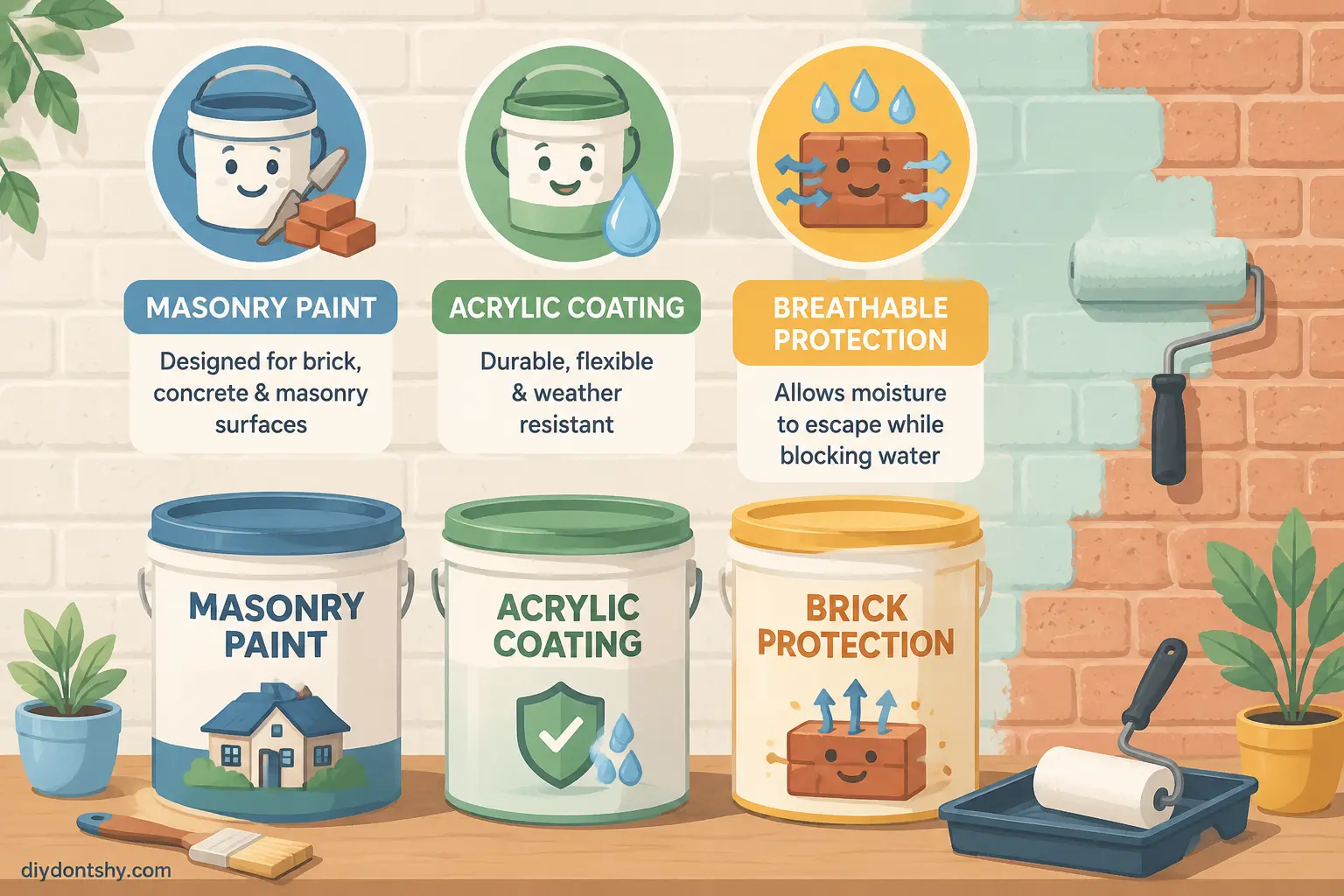
Not all paint is created equal, especially when it comes to masonry. Standard exterior paint may look good initially, but brick requires specialized coatings designed to handle moisture transfer. Using the wrong paint is like putting plastic wrap over a sponge. Eventually, trapped moisture creates problems underneath the surface.
High-quality acrylic latex masonry paints remain popular because they provide flexibility and water resistance. Elastomeric coatings offer additional protection by stretching slightly with temperature changes. Mineral-based paints and breathable silicate coatings have also gained attention because they bond chemically with masonry instead of simply sitting on the surface.
Here is a comparison of common paint options for brick:
| Paint Type | Average Lifespan | Breathability | Best Use |
|---|---|---|---|
| Standard Exterior Latex | 5–8 Years | Moderate | Mild climates |
| Masonry Acrylic Paint | 8–15 Years | Good | Most exterior brick |
| Elastomeric Paint | 10–20 Years | Moderate | Wet climates |
| Mineral/Silicate Paint | 15–20+ Years | Excellent | Historic or breathable masonry |
Premium paint products cost more upfront, but they often save money long-term by reducing repaint frequency and moisture-related repairs. Cheap paint might feel like a bargain initially, but repainting an entire brick home after only a few years becomes far more expensive.
Brick Porosity and Surface Condition
Read Also: How to Determine if Paint Is Oil or Latex
Brick itself plays a major role in paint durability. Some bricks are highly porous and absorb moisture easily, while others are denser and more resistant to water infiltration. Older bricks, especially historic masonry, often require extra caution because they were designed to breathe naturally.
Damaged mortar joints, cracks, and crumbling surfaces can all shorten paint life dramatically. Paint applied over unstable masonry behaves like wallpaper on a cracked wall. The surface underneath continues deteriorating, eventually causing visible paint failure.
Efflorescence is another major issue. This white, powdery substance forms when moisture inside the brick carries salts to the surface. Painting over efflorescence without fixing the moisture source almost guarantees future peeling problems.
Many homeowners make the mistake of focusing only on appearance before painting brick. But brick condition matters more than color selection. Healthy, dry masonry provides the foundation for a long-lasting finish.
The Difference Between Interior and Exterior Brick Paint Durability
Why Exterior Brick Faces More Stress
Exterior brick constantly battles nature. Every season introduces new stressors that slowly weaken the paint system. Summer heat expands materials, winter cold contracts them, and moisture continuously moves in and out of the masonry.
UV radiation alone can dramatically reduce paint life. Sunlight slowly breaks apart the chemical bonds inside paint, causing fading, brittleness, and loss of adhesion. South-facing walls usually deteriorate faster because they receive the most sunlight exposure throughout the day.
Pollution also contributes to exterior paint wear. Dirt, vehicle exhaust, pollen, and airborne contaminants stick to rough brick surfaces more easily than smooth siding. Over time, these particles hold moisture against the paint and encourage mildew growth.
The constant expansion and contraction of outdoor masonry create additional challenges. Brick may seem solid and unchanging, but temperature swings cause subtle movement every day. Paint coatings must remain flexible enough to handle those shifts without cracking.
Why Interior Brick Usually Lasts Longer
Interior brick survives longer because the environment stays controlled. Temperature changes happen gradually, moisture exposure remains lower, and sunlight is far less aggressive indoors. That stability allows paint coatings to maintain their bond for many more years.
Indoor brick also experiences less contamination from dirt and pollutants. A painted fireplace or accent wall usually requires only occasional dusting and cleaning rather than pressure washing or mildew treatment.
Another advantage is reduced moisture cycling. Exterior brick absorbs rainwater and releases it repeatedly. Interior brick rarely experiences that same constant wet-dry cycle. Less moisture movement means less stress on the paint film.
This difference explains why many homeowners successfully paint interior fireplaces without major problems while exterior painted brick sometimes becomes a long-term maintenance commitment.
Signs the Paint Is Starting to Fail
Peeling, Bubbling, and Cracking
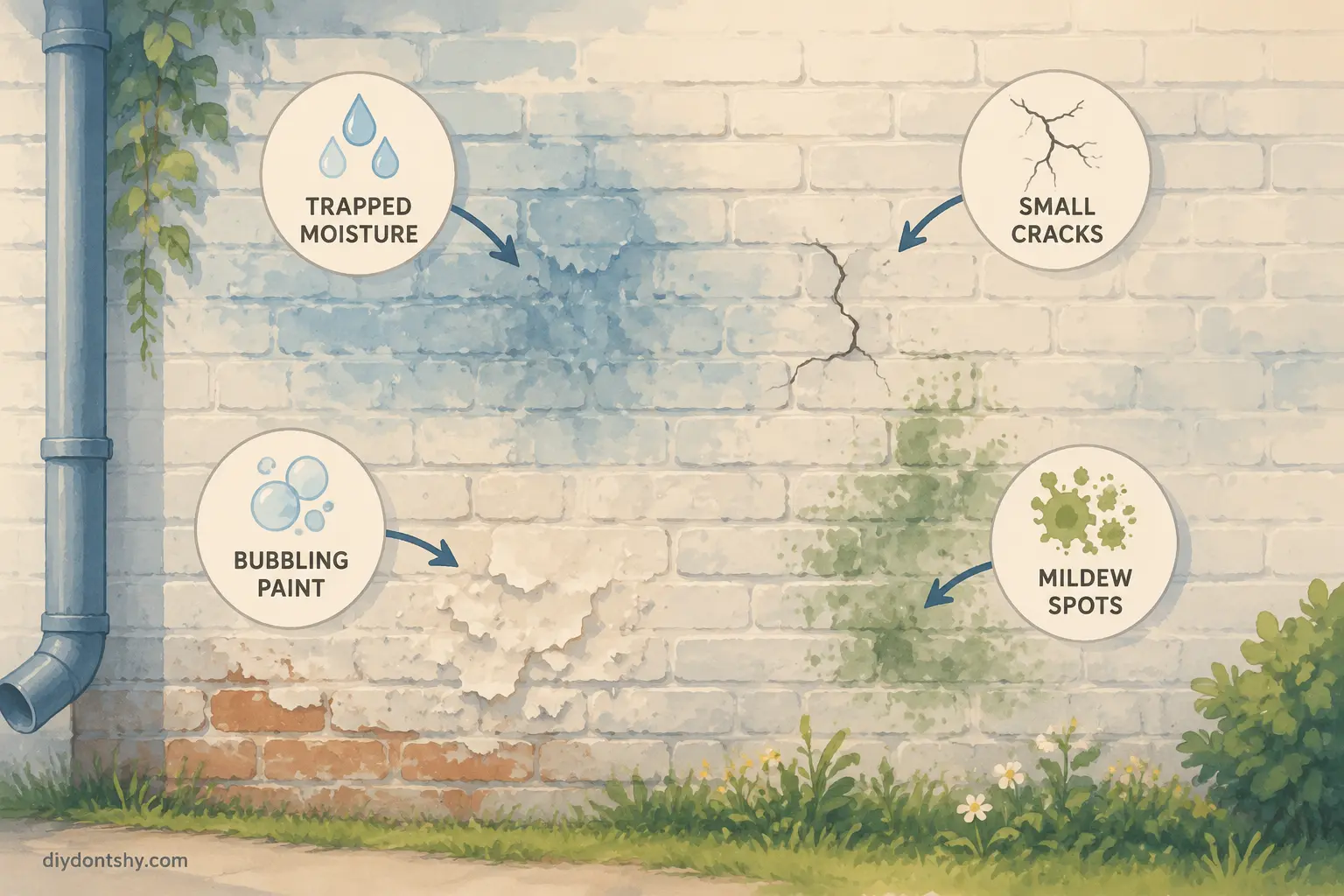
Peeling paint is the clearest warning sign that something has gone wrong. When paint separates from brick, moisture is often the hidden cause. Water trapped beneath the coating weakens adhesion until the paint eventually lifts away from the surface.
Bubbling paint usually appears before peeling begins. Small raised areas indicate moisture vapor pushing outward from behind the paint layer. Ignoring bubbling allows the problem to spread quickly, especially after heavy rain or humid weather.
Cracking develops when paint loses flexibility over time. Older coatings become brittle and unable to handle masonry movement. Tiny hairline cracks may seem harmless initially, but they create pathways for moisture infiltration that accelerate larger failures later.
These symptoms often appear gradually rather than all at once. A few isolated bubbles can turn into widespread peeling within only a couple of seasons if the underlying moisture problem remains unresolved.
Chalking and Fading
Chalking happens when paint slowly breaks down under UV exposure. The surface develops a powdery residue that rubs off onto your fingers when touched. While chalking may not immediately threaten the structure, it signals that the paint film is deteriorating.
Fading is another common issue, especially with darker colors. Black, navy, and deep gray brick paints absorb more sunlight and typically lose color intensity faster than lighter shades. Homes with uneven fading often show stronger deterioration on sun-facing walls.
Fading itself may seem mostly cosmetic, but it often indicates the protective qualities of the paint are weakening too. Once binders degrade significantly, moisture resistance begins declining as well.
Mold, Mildew, and Moisture Stains
Mold and mildew growth indicate excessive moisture retention. Green, black, or brown stains often appear in shaded areas where brick stays damp longer after rain. These biological growths not only look unattractive but also signal conditions that shorten paint life dramatically.
Moisture stains beneath windows, near gutters, or along foundation walls suggest water infiltration problems that need immediate attention. Simply repainting over stains without fixing the source rarely works for long.
Persistent moisture issues can eventually damage the brick itself. Some homeowners discover crumbling masonry beneath failing paint because water remained trapped for years.
Moisture Problems That Shorten Paint Life Quickly
Water Intrusion Behind the Brick
Water intrusion is the silent enemy of painted brick. Rainwater can enter through cracked mortar joints, damaged flashing, leaking gutters, or poorly sealed windows. Once moisture becomes trapped behind paint, deterioration accelerates quickly.
Brick naturally wants to release moisture through evaporation. Breathable masonry systems allow that process to happen safely. But non-breathable paint coatings trap moisture inside, increasing pressure beneath the surface.
This is why professionals stress the importance of addressing drainage and water management issues before painting brick. Fixing gutters may not sound exciting compared to choosing paint colors, but it can add years to the life of the finish.
Freeze-Thaw Cycles and Spalling
Freeze-thaw damage creates some of the worst problems for painted brick in cold climates. Water absorbed into masonry expands when frozen, placing tremendous stress on the brick surface. Over time, pieces of brick begin flaking away in a process called spalling.
Paint can worsen spalling when it traps moisture inside the masonry. Several masonry professionals and homeowners discussing painted brick online warn that improper coatings significantly increase freeze-thaw risks in colder regions.
Spalling is more than a cosmetic issue. Severe cases can weaken masonry structure and require expensive repairs. That is why some historic preservation experts discourage painting old brick entirely.
Why Breathable Masonry Paint Matters
Breathable paint systems allow moisture vapor to escape while still protecting the brick from external water penetration. Think of it like athletic clothing that keeps rain out while allowing sweat to evaporate.
Modern masonry paints, mineral coatings, and silicate paints are specifically designed for this balance. They reduce the likelihood of trapped moisture while maintaining long-term durability.
Using breathable products becomes especially important in humid climates or older homes where moisture movement through masonry is unavoidable.
Proper Preparation That Helps Paint Last Longer
Cleaning and Repairing Brick First
Preparation determines whether brick paint lasts five years or fifteen. Dirty, damaged, or damp masonry prevents proper adhesion and creates hidden problems beneath the surface.
Brick should be thoroughly cleaned before painting. Dirt, mildew, moss, and efflorescence all interfere with bonding. Many professionals recommend gentle washing methods instead of overly aggressive pressure washing, which can damage softer brick surfaces.
Repairs matter just as much as cleaning. Cracked mortar joints should be repointed, damaged bricks replaced, and leaks fixed before painting begins. Covering problems with paint only delays the inevitable.
Moisture testing also helps. Painting damp brick traps water inside the wall system immediately. Allowing masonry to dry fully before priming improves long-term performance dramatically.
Priming the Surface Correctly
Primer acts like a bridge between the brick and the paint. Masonry primers improve adhesion, reduce uneven absorption, and help create a more consistent finish.
Skipping primer might save time initially, but it often shortens paint life significantly. Brick absorbs paint unevenly because of its porous texture. Primer stabilizes the surface so the finish coat performs more predictably.
High-quality masonry primers also improve resistance against alkali damage and efflorescence. These hidden chemical reactions can slowly weaken paint systems from underneath.
Choosing the Right Weather Conditions for Painting
See Also: How to Paint Over Oil Based Paint Without Sanding
Weather during application affects durability more than many homeowners realize. Painting during high humidity, rain, or extreme heat creates bonding problems immediately.
Ideal painting conditions typically include mild temperatures, low humidity, and several dry days before and after application. Fresh paint needs time to cure properly before facing harsh weather.
Painting brick in direct sunlight can also create issues. Surfaces become too hot, causing paint to dry too quickly and preventing proper adhesion.
Maintenance Habits That Keep Brick Looking Fresh
Routine Cleaning and Inspections
Related Reading: How to Get Spray Paint to Dry Faster
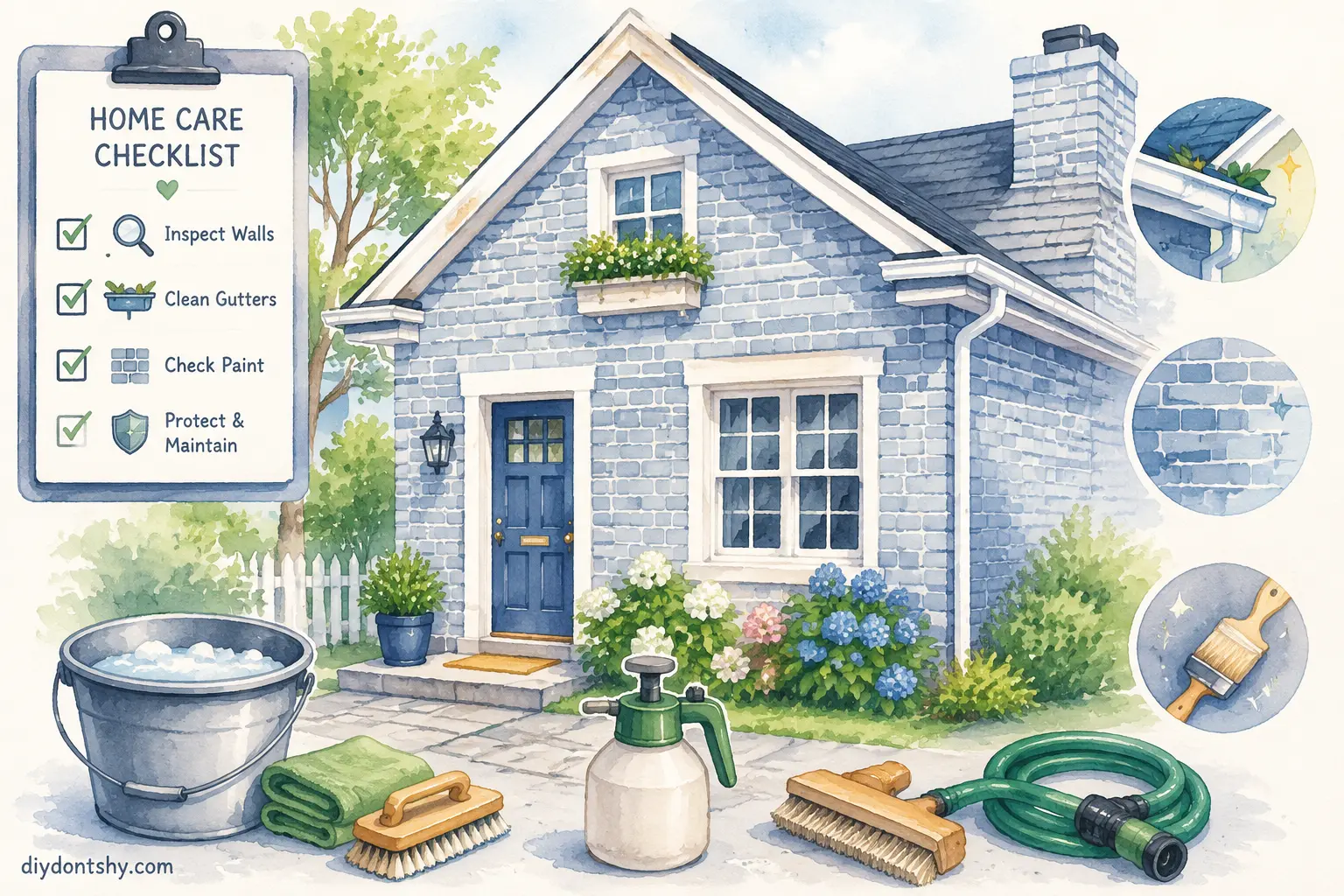
Regular maintenance dramatically extends the life of painted brick. Dirt, mildew, and pollutants slowly break down coatings over time, especially in damp climates.
Simple annual cleaning helps prevent buildup before it becomes destructive. Gentle washing with mild detergent and soft brushes usually works well for most painted brick surfaces.
Routine inspections matter too. Catching small cracks, peeling spots, or moisture stains early prevents widespread failures later. It is much cheaper to repair isolated problems than repaint an entire house prematurely.
Homeowners should also pay attention to gutters, downspouts, and landscaping drainage. Water directed toward masonry surfaces shortens paint life quickly.
Small Touch-Ups Before Bigger Problems Start
Tiny paint failures rarely stay tiny for long. Small chips and cracks allow moisture penetration that spreads underneath surrounding paint layers.
Touch-up painting every few years can add significant life to the overall finish. Matching paint colors and maintaining records of original products makes future repairs easier.
Many professional painters compare exterior maintenance to dental care. Small fillings prevent major root canals later. Brick paint behaves the same way.
When It Makes More Sense to Repaint or Remove Old Paint
Situations Where Repainting Is the Better Choice
Repainting makes sense when the existing paint still adheres well overall but shows cosmetic aging such as fading or mild chalking. In these situations, cleaning, spot repairs, and fresh coatings often restore the appearance successfully.
Homes with high-quality masonry paint systems usually respond well to repainting cycles. As long as moisture issues remain controlled, repainting becomes part of normal long-term maintenance.
Many homeowners repaint painted brick every 10 to 15 years simply to refresh curb appeal and maintain protection.
When Paint Removal May Be Necessary
Paint removal becomes necessary when severe peeling, trapped moisture, or spalling indicate deeper problems. Removing paint from brick is difficult, expensive, and sometimes risky because abrasive methods can damage the masonry itself.
Historic brick homes often require special care. Older bricks tend to be softer and more porous than modern masonry, making improper paint removal especially dangerous.
In some cases, switching from paint to breathable brick stains or limewash systems offers a better long-term solution. Unlike thick paint films, these treatments allow more natural moisture movement.
Some homeowners ultimately decide that maintaining painted brick no longer makes sense and choose restoration instead. The decision depends on the condition of the masonry, climate, budget, and long-term goals for the property.
Conclusion
Paint can dramatically improve the appearance of brick, but durability depends on far more than color selection alone. Exterior painted brick generally lasts between 7 and 20 years, while interior painted brick can remain attractive for decades when properly maintained.
The biggest threats to paint longevity are moisture, poor preparation, and the wrong type of coating. Brick is naturally porous and needs to breathe. When paint traps water inside the masonry, peeling, bubbling, cracking, and even structural damage can follow.
Homeowners who invest in quality breathable masonry paints, proper preparation, and regular maintenance usually achieve the best long-term results. Paying attention to drainage, fixing small issues early, and understanding local climate challenges can add years to the life of painted brick surfaces.
Painting brick is not just a cosmetic decision. It creates an ongoing maintenance relationship with the surface. But when done correctly, painted brick can stay beautiful, durable, and protective for many years.
FAQs
1. How often should painted brick be repainted?
Most exterior painted brick needs repainting every 10 to 15 years, although harsh climates may reduce that timeline. Interior painted brick often lasts 20 years or longer before needing major updates.
2. Is painting brick a bad idea?
Painting brick is not automatically bad, but it creates ongoing maintenance needs. Problems usually happen when moisture becomes trapped beneath non-breathable paint coatings or when preparation is poor.
3. What type of paint works best on brick?
Breathable masonry paints, acrylic latex masonry coatings, mineral paints, and silicate paints generally perform best because they allow moisture vapor to escape.
4. Why is my painted brick peeling?
Peeling usually happens because moisture is trapped behind the paint. Poor preparation, damaged mortar, leaks, or using the wrong type of paint can all contribute to failure.
5. Can painted brick be restored back to natural brick?
Sometimes, but paint removal is difficult and can damage masonry if done improperly. Older or softer bricks require especially careful restoration methods.

Ahmed Elhor is an Egyptian SEO specialist, pharmacist, and copywriter based in Canada. He combines strong research skills with search focused writing to create clear, helpful content that answers real questions and ranks effectively in search engines.
With a passion for practical DIY ideas, homemade solutions, and creative projects, Ahmed focuses on producing easy to follow guides that are simple, affordable, and useful for everyday life. His work blends creativity with structure, helping readers turn basic materials into meaningful results.