What Is the Best Clear Coat for Painted Wood in High-Traffic Areas
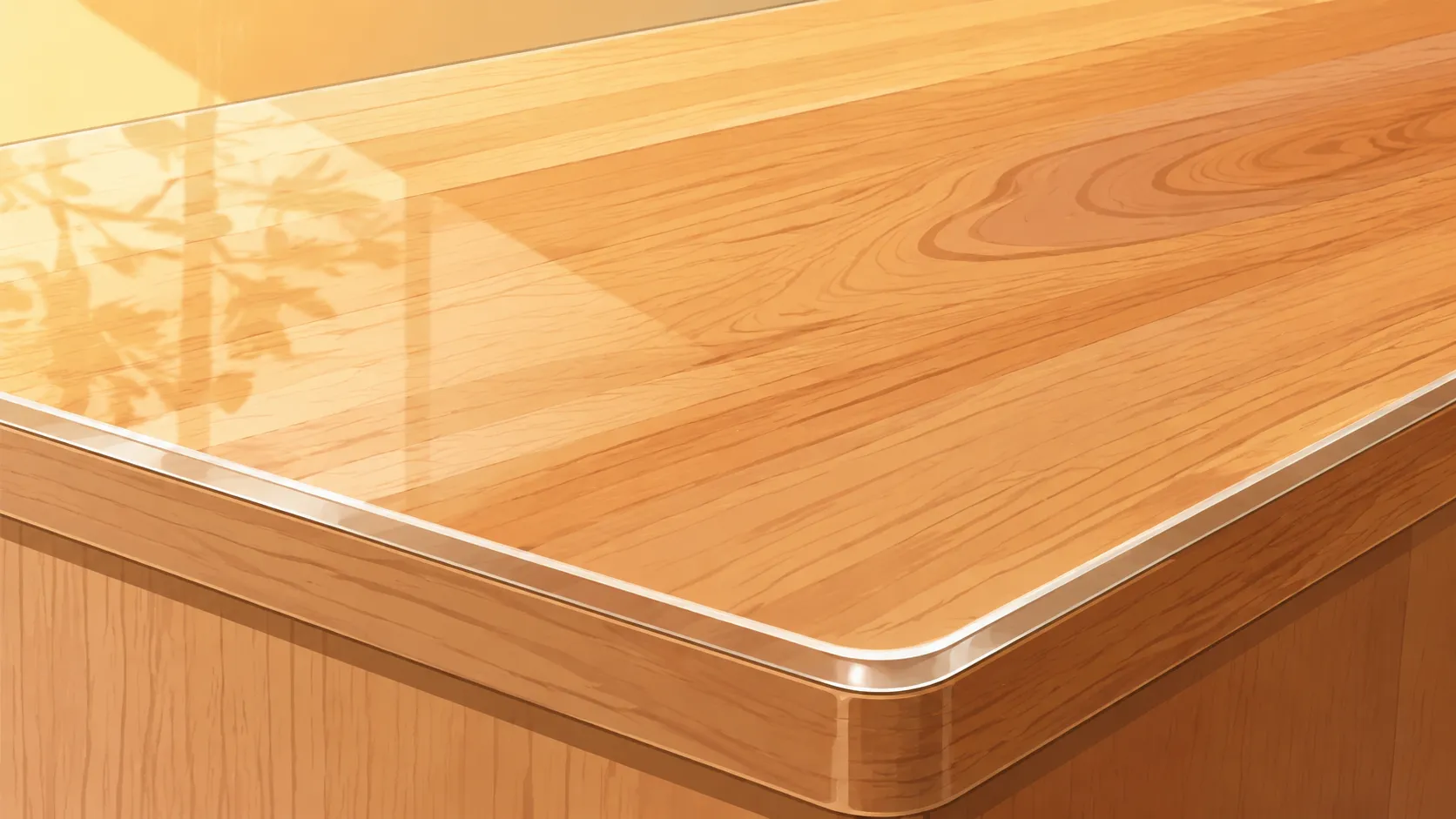
When you spend hours painting wood furniture, cabinets, trim, or outdoor décor, the last thing you want is chipped paint, fading color, or ugly scratches ruining the finish. That is where a clear coat for painted wood becomes the unsung hero. A good clear coat acts like invisible armor. It protects the painted surface from moisture, UV rays, scuffs, fingerprints, and daily wear while preserving the beauty underneath.
The tricky part? Not all clear coats behave the same way. Some dry crystal clear while others slowly turn yellow. Some cure rock-hard for maximum durability while others stay flexible for outdoor weather changes. Picking the wrong one can make a bright white table look like an old smoker’s ceiling within months.
Recent finishing industry comparisons show that water-based polyurethane continues gaining popularity because it dries faster, has lower odor, and resists yellowing better than oil-based products. Oil-based finishes still dominate in heavy-duty durability and outdoor toughness, especially on high-traffic surfaces.
So how do you actually choose the best clear coat for painted wood? Let’s break it down step by step.
Contents
Why Painted Wood Needs a Protective Clear Coat
Paint alone can only handle so much punishment. Even premium paint eventually wears down when exposed to friction, moisture, sunlight, or temperature changes. Imagine paint as your skin and clear coat as sunscreen plus armor combined into one layer. Without protection, painted wood becomes vulnerable to scratches, peeling, fading, and stains far faster than most people expect.
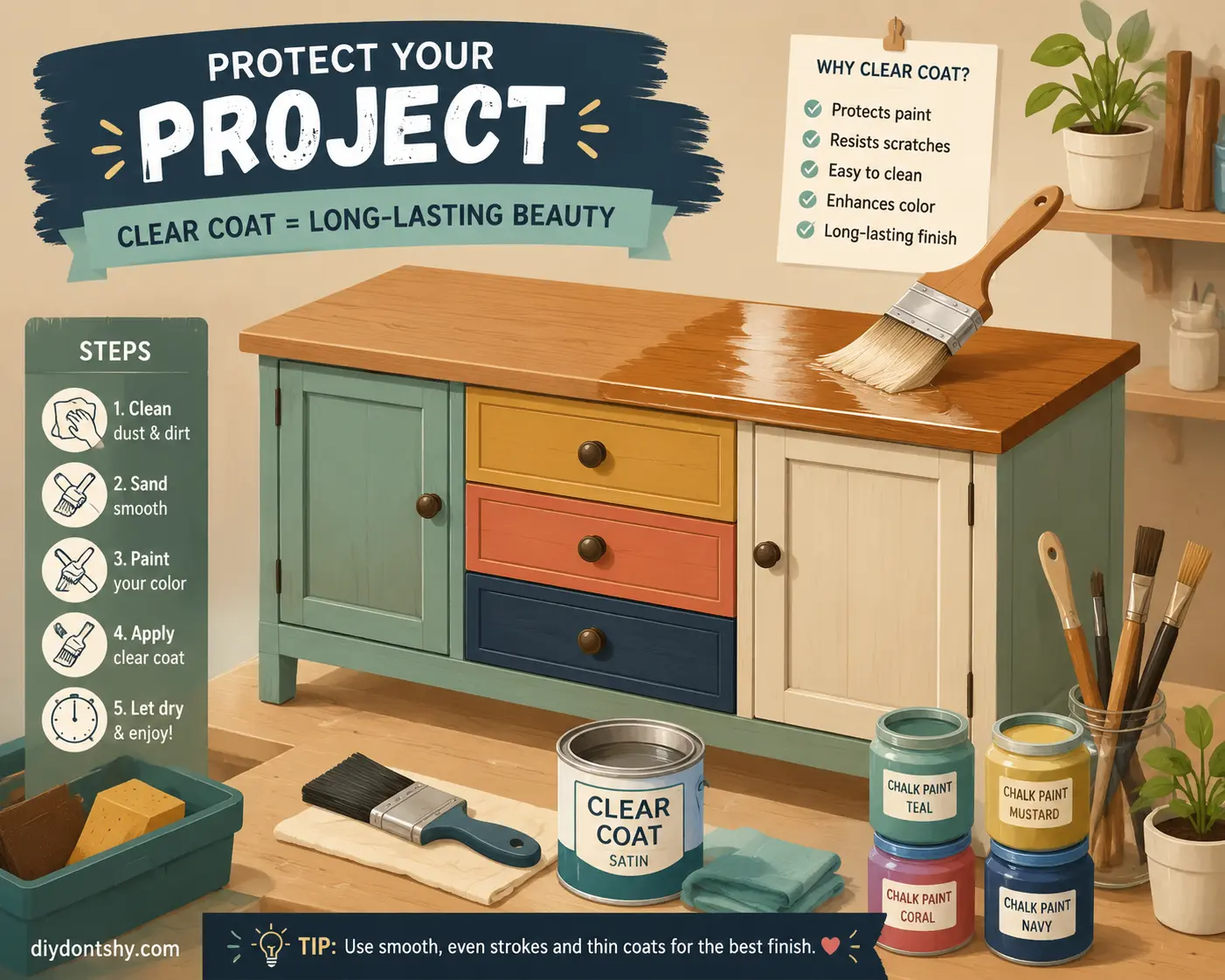
This becomes especially obvious on high-contact surfaces like kitchen cabinets, dining tables, bathroom vanities, bookshelves, and children’s furniture. Every coffee mug, wet towel, toy, or cleaning chemical slowly attacks the painted surface. Over time, the finish loses its smoothness and starts looking tired. A quality clear coat forms a sacrificial layer that absorbs abuse before the paint underneath gets damaged.
Industry finishing guides consistently recommend clear coats for furniture and heavy-use painted surfaces because they significantly extend the life of the finish. Water-based polyurethane is especially popular for painted furniture because it remains crystal clear and does not heavily alter paint colors.
That said, not every painted object requires a topcoat. Walls painted with modern interior latex paint usually hold up fine without additional sealing. Decorative pieces that rarely get touched may also survive perfectly well without clear protection. But once you move into high-traffic territory, a protective finish becomes less of a luxury and more of a necessity.
How Clear Coats Prevent Wear and Moisture Damage
Wood naturally expands and contracts as humidity changes. Paint helps block moisture, but tiny cracks can eventually develop. A clear coat adds another moisture-resistant barrier, helping stabilize the finish and reduce long-term deterioration. This matters even more in kitchens, bathrooms, laundry rooms, and outdoor environments where moisture constantly attacks surfaces.
Clear finishes also improve resistance to chemicals, food spills, oils, and UV rays. Some modern water-based polyurethane formulas now include advanced UV resistance to slow fading and yellowing indoors.
When a Painted Surface Does Not Need a Topcoat
Not every project needs extra coating. Chalk paint, milk paint, and porous finishes usually benefit from sealing, but high-quality cabinet paint or trim enamel sometimes performs well on its own. If the object sees very little handling, adding a clear coat may simply create unnecessary work.
Still, many professionals prefer using a protective finish because repainting damaged furniture is far more frustrating than applying one extra protective layer upfront.
The Most Popular Types of Clear Coats for Painted Wood
Walk into any hardware store and you will quickly discover a jungle of finishing products. Polyurethane, polycrylic, acrylic sealers, lacquer, varnish, epoxy; the labels alone can feel overwhelming. The good news is that most projects only require understanding a few core options.
Here is a simple comparison table to make the differences easier to understand:
| Clear Coat Type | Durability | Yellowing Risk | Dry Time | Best For |
|---|---|---|---|---|
| Water-Based Polyurethane | High | Very Low | Fast | Indoor furniture, cabinets |
| Oil-Based Polyurethane | Very High | High | Slow | Floors, outdoor furniture |
| Polycrylic | Moderate | Very Low | Very Fast | Decorative furniture |
| Lacquer | High | Medium | Extremely Fast | Professional spray finishes |
| Epoxy | Extremely High | Medium | Slow | Countertops, bar tops |
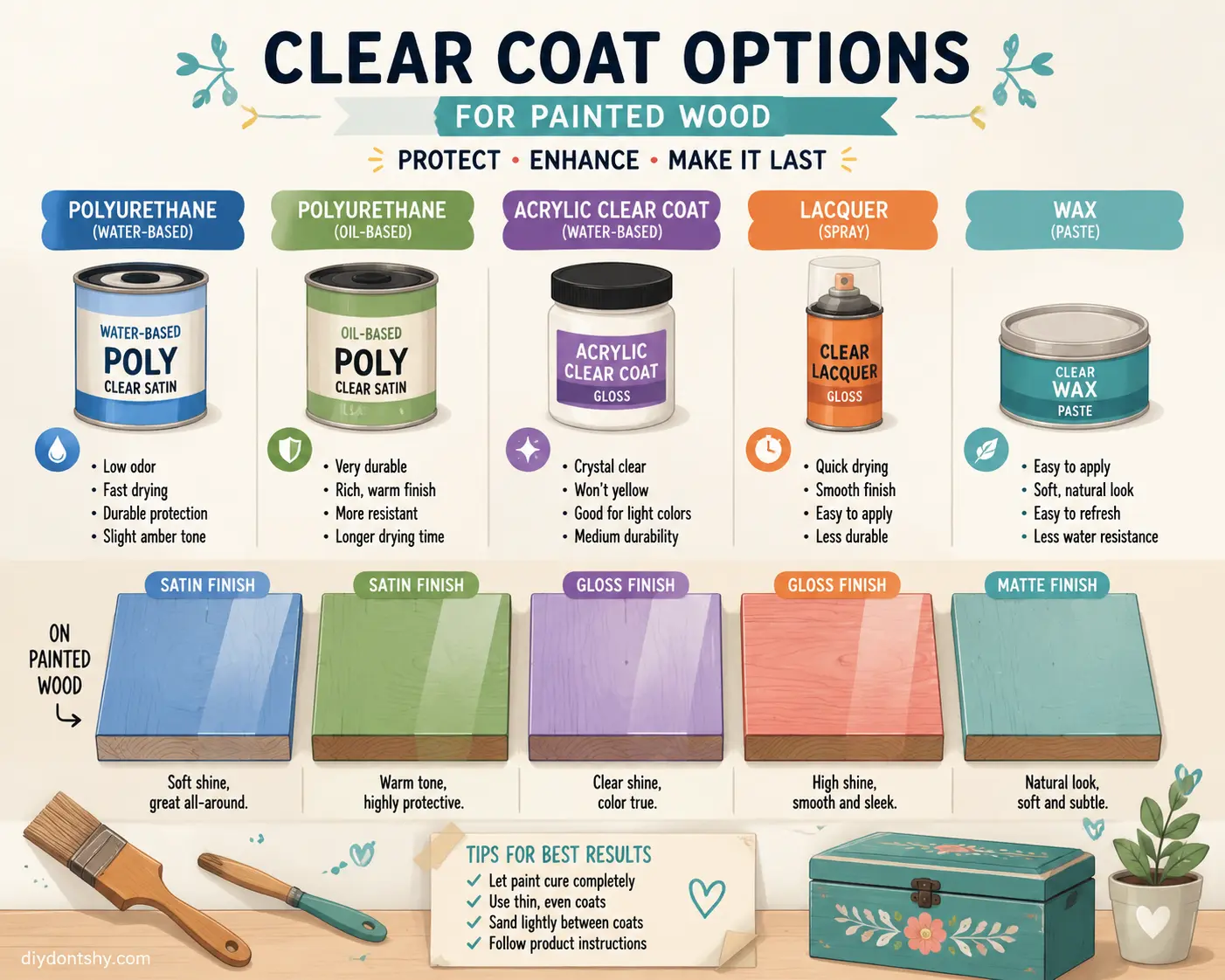
Polyurethane Finishes
Polyurethane is the heavyweight champion of wood protection. It creates a hard, durable shell that resists scratches, moisture, and heat. That is why it dominates furniture, floors, cabinets, and table projects.
Water-based polyurethane has become the favorite for painted furniture because it dries clear and resists yellowing. Oil-based polyurethane still wins for extreme durability, especially in high-abuse areas.
Polycrylic and Acrylic Sealers
Polycrylic is thinner, easier to apply, and lower in odor. It works well on indoor decorative furniture and craft projects. Acrylic sealers also preserve paint color better because they stay exceptionally clear over time.
The tradeoff is durability. Polycrylic generally cannot withstand abuse like polyurethane can. Think of it as a rain jacket versus a motorcycle jacket. Both protect you, but one is clearly tougher.
Lacquer and Epoxy Finishes
Lacquer dries incredibly fast and creates a smooth professional finish, especially when sprayed. Epoxy produces an ultra-hard glass-like coating used on countertops and bar tops.
These finishes are more specialized and less beginner-friendly. Epoxy especially requires careful mixing and application to avoid bubbles and uneven curing.
Related Articles: How to Seal Air Dry Clay After Painting
Water-Based vs Oil-Based Clear Coats
This debate is basically the Coke versus Pepsi of woodworking finishes. Both options protect painted wood, but they behave very differently.
Advantages of Water-Based Finishes
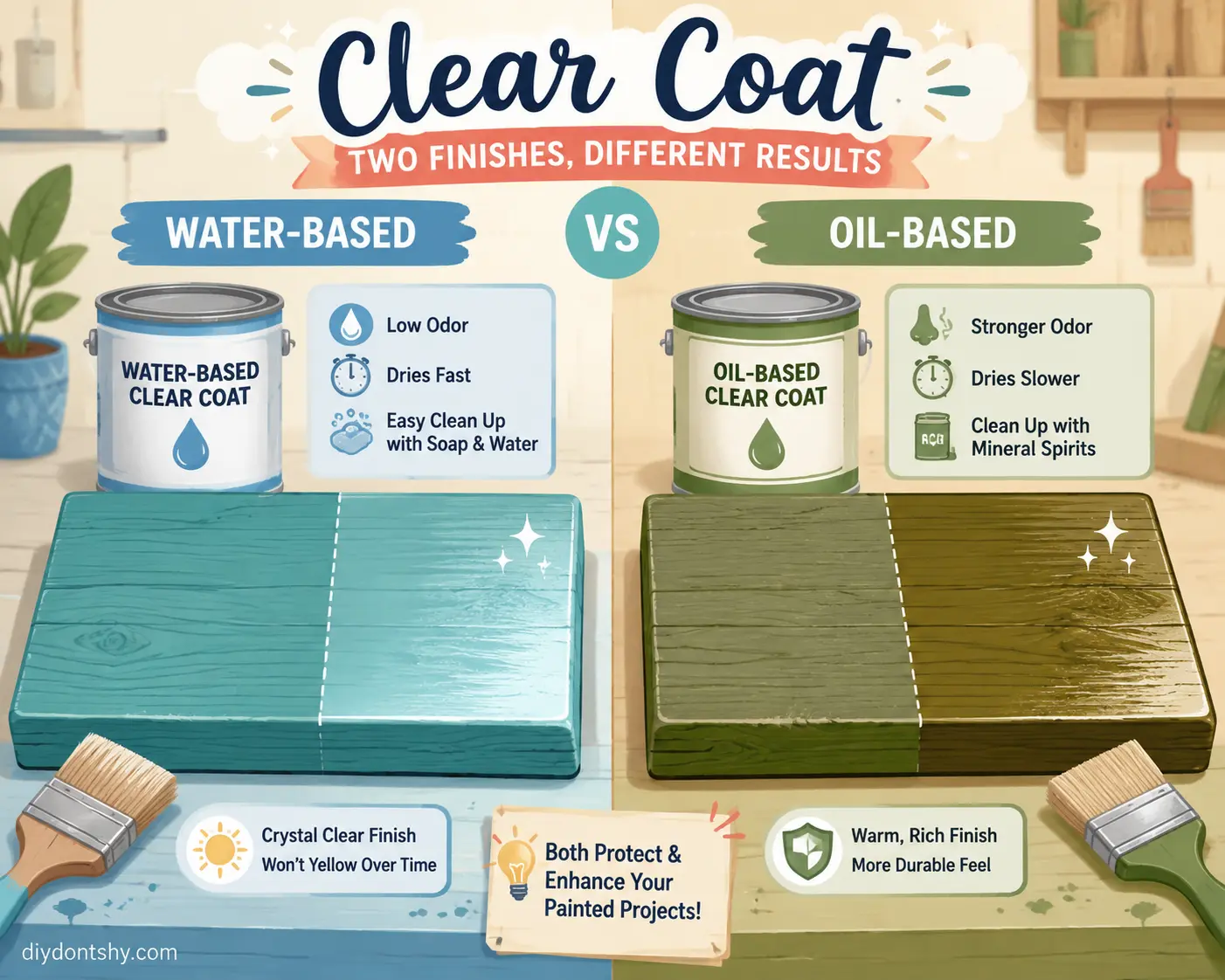
Water-based clear coats have exploded in popularity because they solve several common frustrations. They dry quickly, produce less odor, clean up with soap and water, and resist yellowing. Most can be recoated within two to six hours.
That quick drying time is a huge advantage. You can often apply three coats in a single day instead of waiting multiple days between oil-based coats. Water-based finishes also maintain the original paint color much better, especially on white, gray, blue, or pastel furniture.
Another major benefit is indoor comfort. Oil-based fumes can linger for days, while water-based products are much easier to tolerate inside occupied homes.
Advantages of Oil-Based Finishes
Oil-based clear coats still dominate when maximum toughness matters. They cure into a harder shell and often resist abrasion better than standard water-based products. That makes them popular for floors, railings, outdoor furniture, and surfaces exposed to frequent abuse.
They also create a rich warm glow that many woodworkers love on darker wood tones. Walnut, cherry, and mahogany often look deeper and more luxurious under oil-based finishes.
The downside is yellowing. Oil-based products naturally amber over time. On dark wood this can look beautiful. On white paint it can look terrible.
Which Option Is Better for White or Light Paint
This is one of the easiest finishing decisions you can make: use water-based clear coat for white or light-colored painted wood.
Multiple finishing guides warn that oil-based polyurethane yellows white paint almost immediately and continues ambering as it ages.
If preserving bright white or cool paint tones matters, water-based polyurethane or polycrylic is the safest choice.
Matte Satin and Gloss Finishes Compared
The sheen of a clear coat changes the personality of furniture almost like changing lighting in a room. Matte feels soft and modern. Satin strikes a balanced middle ground. Gloss screams boldness and drama.
Choosing the Right Sheen for Furniture
Matte finishes create a muted, natural appearance that hides fingerprints well. They work beautifully in farmhouse, Scandinavian, and rustic interiors. Satin offers a gentle glow without excessive shine, making it the most versatile choice for everyday furniture.
Gloss finishes reflect more light and create a luxurious polished appearance. They also make colors appear richer and more vibrant. The tradeoff is that every fingerprint, scratch, and dust particle becomes easier to see.
Here is a simple breakdown:
| Finish Type | Appearance | Maintenance | Best Use |
|---|---|---|---|
| Matte | Soft and flat | Hides imperfections | Rustic furniture |
| Satin | Smooth low sheen | Balanced durability | Cabinets and tables |
| Gloss | Highly reflective | Shows flaws easily | Decorative pieces |
Which Finish Hides Scratches Best
Satin and matte finishes usually hide scratches better because they scatter light rather than reflecting it sharply. Gloss is beautiful but unforgiving. Think of it like black paint on a car; stunning when perfect, exhausting when dirty.
For busy households with children or pets, satin is usually the sweet spot between elegance and practicality.
Indoor vs Outdoor Painted Wood Protection
Indoor furniture and outdoor furniture live completely different lives. A dining chair deals with fingerprints and spills. A patio chair battles sunlight, rain, temperature swings, and humidity.
Best Clear Coats for Indoor Furniture
For indoor painted wood, water-based polyurethane is often considered the best overall option. It stays clear, dries quickly, and creates a durable surface without overwhelming odor. Products like General Finishes High Performance and Varathane Water-Based Polyurethane are frequently praised for their clarity and resistance to yellowing.
Indoor pieces also benefit from climate stability. They are not constantly exposed to UV rays or rain, so maintaining appearance becomes easier.
Best Exterior Clear Coats for Outdoor Use
Outdoor wood is another story entirely. Exterior surfaces require UV resistance and flexibility because wood expands and contracts dramatically outdoors.
Oil-based exterior polyurethane and spar urethane remain popular because they tolerate weather better. Some water-based exterior products now offer impressive durability while resisting yellowing.
One important reality check: completely crystal-clear exterior protection is difficult because UV blockers naturally introduce some color. Many “clear” exterior finishes still slightly warm or tint wood.
Read More: How Long Does Paint Last on Brick
How to Apply Clear Coat Without Brush Marks or Bubbles
Application technique separates professional-looking finishes from frustrating disasters. Even premium products look awful when applied poorly.
Surface Preparation Tips
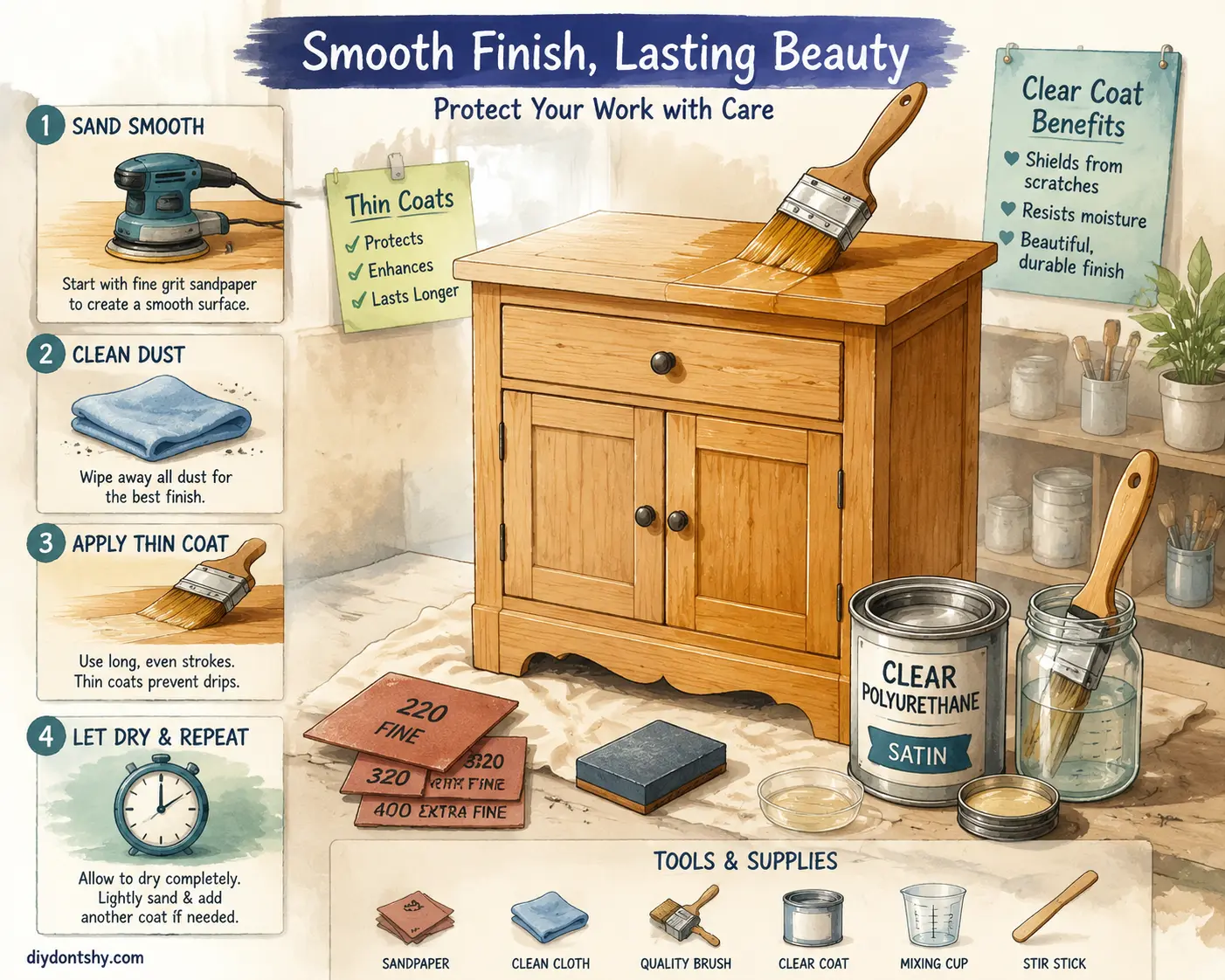
Preparation is half the battle. Painted wood must be fully cured before adding clear coat. Many professionals recommend waiting at least several days, and sometimes up to two weeks for latex paint to cure properly before topcoating.
Light sanding with 220-grit paper helps create mechanical adhesion. Dust removal is equally critical because trapped particles become permanent imperfections under the clear finish.
Proper Brushing and Rolling Techniques
Thin coats always beat thick coats. Thick applications trap moisture, create bubbles, and increase streaking. Use high-quality synthetic brushes for water-based products and natural bristle brushes for oil-based finishes.
Avoid overworking the finish. Once applied, let it level naturally. Constant brushing introduces bubbles and streaks like repeatedly combing wet hair.
Environmental conditions matter too. High humidity slows drying and increases cloudiness risk. Proper airflow improves curing consistency.
Spray Application vs Brush Application
Spraying often produces the smoothest finish because it eliminates brush contact entirely. Professional furniture shops frequently spray lacquer or polyurethane for flawless results.
Brushes are simpler and cheaper for beginners but require patience and technique. Foam rollers can help on larger flat surfaces, though they sometimes introduce tiny bubbles if rolled too aggressively.
Drying Time and Curing Time Explained
One of the biggest mistakes beginners make is confusing “dry” with “cured.” A finish may feel dry within hours but remain vulnerable underneath for days or weeks.
Why Dry Does Not Mean Fully Hardened
Water-based polyurethane may dry to the touch in one hour and become recoatable within two to four hours. Full curing, however, can take up to 21 days.
Oil-based products dry more slowly but sometimes fully cure faster than expected. Either way, heavy use too soon can leave dents, scratches, or permanent marks.
Think of curing like concrete hardening. It might look solid quickly, but true strength develops over time.
Environmental Factors That Affect Drying
Temperature, airflow, and humidity dramatically affect drying speed. Cold temperatures and high humidity slow curing considerably.
Experts often recommend working around 70°F with moderate humidity for ideal results. Fans and ventilation help accelerate evaporation and improve finish consistency.
Common Problems With Clear Coats on Painted Wood
Even experienced painters occasionally run into problems. The good news is that most issues have identifiable causes.
Yellowing Over Time
Yellowing is probably the most complained-about finishing problem. Oil-based products naturally amber as they age. Some water-based finishes can also discolor under certain conditions, especially when reacting with wood tannins beneath paint.
This is especially noticeable on bright white paint. Sealing wood properly with primer before painting helps reduce tannin bleed-through.
Peeling Bubbling and Cloudiness
Peeling usually happens because the paint underneath was not fully cured or properly sanded before topcoating. Cloudiness often results from trapped moisture due to rushing recoat times.
Bubbles typically come from over-brushing, shaking the can, or applying coats too thickly. Many professionals recommend stirring gently instead of shaking clear finishes to minimize trapped air.
How to Keep Painted Wood Looking Fresh for Years
A good finish still requires maintenance. The goal is not just protection but preserving appearance over time.
Cleaning and Maintenance Tips
Use mild soap and soft microfiber cloths instead of harsh chemical cleaners. Abrasive scrubbing pads slowly dull finishes and create microscopic scratches.
Avoid excessive standing water on furniture, especially around seams and edges where moisture can eventually penetrate.
Sunlight also matters. UV exposure gradually degrades all finishes, even premium products. Rotating furniture or using curtains can slow fading dramatically.
When to Recoat or Refinish
Clear coats do not last forever. High-traffic furniture may eventually lose sheen or develop scratches. Light sanding followed by a fresh maintenance coat can often restore appearance before major damage develops.
Outdoor furniture especially benefits from periodic recoating because weather exposure constantly wears down protective layers.
See Also: How to Determine if Paint Is Oil or Latex
Conclusion
Choosing the best clear coat for painted wood comes down to understanding your project’s environment, durability needs, and desired appearance. For most indoor painted furniture, water-based polyurethane offers the best balance of durability, clarity, fast drying, and low yellowing risk. It keeps white and light-colored paint looking fresh while providing strong everyday protection.
Oil-based finishes still have an important role, especially for outdoor furniture and surfaces exposed to heavy wear. Their rich amber tone and hard protective shell remain difficult to beat in demanding environments. The tradeoff is longer drying time, stronger odor, and noticeable yellowing over time.
The real secret is not just buying the right product but applying it correctly. Thin coats, proper sanding, patience during curing, and attention to environmental conditions make the difference between a cloudy mess and a smooth professional finish. Painted wood protected with the right clear coat can stay beautiful for years instead of months.
FAQs
What is the best clear coat for white painted wood?
A water-based polyurethane or polycrylic is usually the best choice because it stays clear and resists yellowing better than oil-based finishes.
Can you put polyurethane over painted wood?
Yes. Polyurethane works over most painted surfaces as long as the paint is fully cured and lightly sanded for adhesion.
How many coats of clear coat should I apply?
Most painted wood projects benefit from at least two to three thin coats for proper durability and protection.
Why does my clear coat look cloudy?
Cloudiness usually happens because moisture became trapped between coats due to humidity, thick application, or insufficient drying time.
Is satin or gloss better for furniture?
Satin is generally more practical because it hides scratches and fingerprints better, while gloss provides a brighter and more reflective appearance.

Kareem Sallam is an Egyptian special writer based in Australia, with a strong interest in practical ideas and creative content that focuses on everyday solutions. He writes clear, engaging articles designed to be easy to follow and useful for a wide range of readers.
His work centers on DIY projects, handmade ideas, simple crafts, and home based creativity. Kareem aims to deliver content that is practical, inspiring, and accessible, helping readers turn simple materials into smart and enjoyable projects.