What Is a Junk Journal Used for in Everyday Creativity
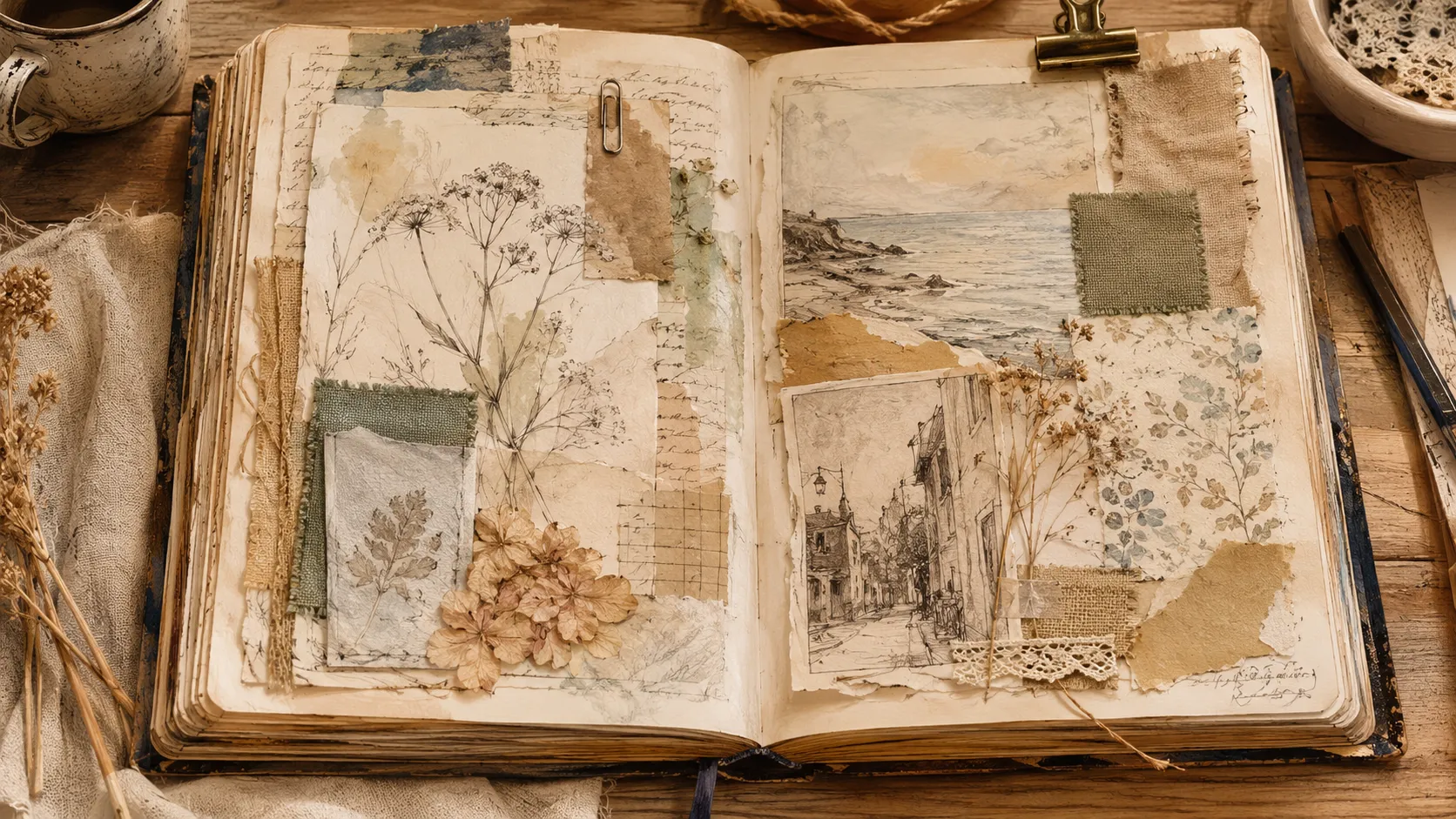
Junk journaling has quietly transformed from a niche craft hobby into one of the most loved creative outlets online. Across TikTok, Instagram, Pinterest, YouTube, and crafting communities, people are turning scraps, receipts, tickets, wrappers, old book pages, and forgotten treasures into deeply personal journals filled with meaning. Recent reports show that searches for “junk journaling” surged throughout 2025 as more people looked for hands-on hobbies that encourage creativity and mindfulness.
Unlike traditional journaling, junk journaling doesn’t rely on perfect handwriting or carefully structured diary entries. It thrives on imperfection. Torn paper edges, faded photographs, coffee-stained pages, vintage envelopes, and random scraps become part of the charm. Think of it like building a memory quilt out of everyday life. Each page tells a story, not through polished paragraphs, but through textures, colors, objects, and fragments of moments that might otherwise be forgotten.
Some people use junk journals as emotional outlets. Others use them as artistic playgrounds. Many simply enjoy the calming process of arranging papers and creating beautiful pages without rules. The beauty of junk journaling is that it can become whatever the creator needs it to be. It can function as a scrapbook, diary, art journal, travel notebook, mindfulness practice, or creative escape all at once.
Contents
The Growing Popularity of Junk Journaling
Junk journaling has become far more than a passing internet trend. It represents a growing shift toward slower, more intentional creativity in a world that constantly demands attention online. Over the past few years, younger generations especially have embraced tactile hobbies that feel authentic and grounding. Reports from CNN and other lifestyle publications noted spikes in Google searches for junk journaling as creators shared their handmade pages on TikTok and Instagram.
What makes junk journaling stand out is its accessibility. You do not need expensive art supplies or professional crafting skills to begin. A notebook, glue stick, scissors, and a pile of saved paper scraps are often enough. That low barrier to entry makes the hobby feel welcoming instead of intimidating. While some artistic hobbies can feel competitive or perfection-focused, junk journaling encourages experimentation and mistakes. A crooked sticker or torn edge often adds more personality rather than ruining the page.
Why Social Media Helped the Trend Explode
Social media platforms played a major role in introducing junk journaling to millions of people. Videos showing creators flipping through textured pages filled with layered paper, dried flowers, handwritten notes, and vintage finds became oddly relaxing to watch. Many viewers discovered the hobby while looking for calming content or creative inspiration. TikTok creators in particular helped normalize the idea that “junk” could become beautiful.
The rise of “cozy hobbies” online also contributed to the trend. During periods of stress and digital burnout, people searched for activities that felt slower and more meaningful. Junk journaling fit perfectly into that space. It combined crafting, memory keeping, mindfulness, and sustainability into one deeply personal activity.
The Appeal of Analog Creativity in a Digital World
Modern life is incredibly digital. Photos stay buried in cloud storage. Memories become fleeting social media stories that disappear after twenty-four hours. Junk journaling offers something different: physical connection. Holding a train ticket from a meaningful trip or a handwritten note from a friend creates a sensory experience digital memories cannot fully replicate.
Many people describe junk journaling as a “digital detox.” Instead of endlessly scrolling through content, they spend time cutting paper, layering textures, and reflecting on memories. Studies and wellness experts increasingly connect analog creative hobbies with reduced stress and improved mindfulness.
What Exactly Is a Junk Journal?
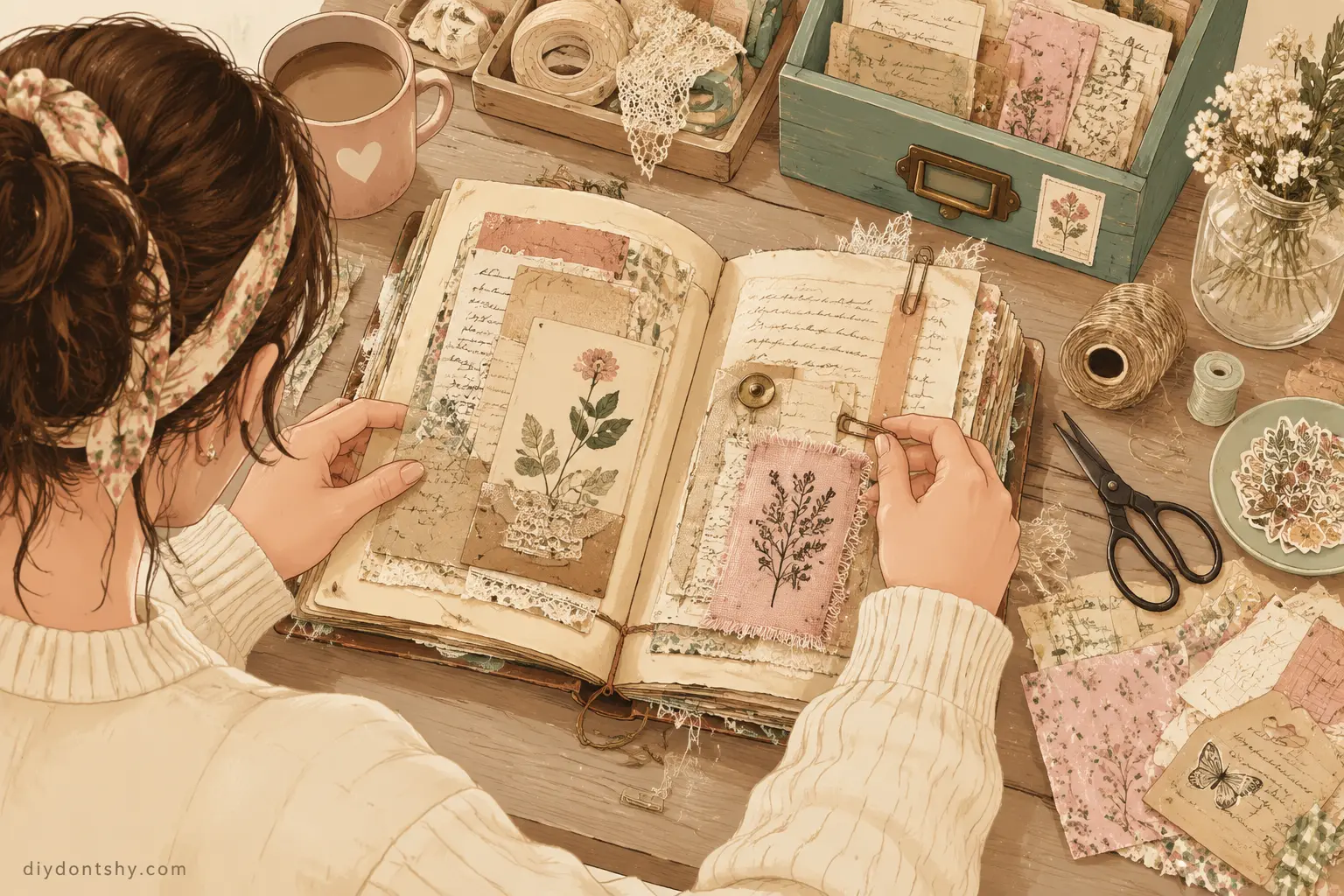
A junk journal is a handmade journal created using recycled, found, or everyday materials. Unlike traditional notebooks, junk journals often include mixed textures, uneven pages, pockets, envelopes, tags, fabric scraps, and layered collages. They can look chaotic, artistic, nostalgic, whimsical, or deeply emotional depending on the creator’s style.
At its core, junk journaling is about storytelling through objects. Instead of only writing about an experience, creators physically include pieces from that experience inside the journal itself. A movie ticket, café receipt, museum brochure, dried flower, or postcard suddenly becomes part of the memory.
The Difference Between Junk Journals and Scrapbooks
People often confuse junk journals with scrapbooks, but there are subtle differences. Traditional scrapbooks usually focus on preserving specific memories in a neat and organized way. Junk journals are much freer and less structured. They embrace randomness, layering, imperfections, and experimentation.
Here’s a simple comparison:
| Feature | Junk Journal | Scrapbook |
|---|---|---|
| Style | Freeform and artistic | Structured and organized |
| Materials | Recycled and found items | Purchased decorative supplies |
| Focus | Creativity and expression | Memory preservation |
| Rules | Very few | Often themed or planned |
| Appearance | Imperfect and layered | Clean and polished |
That freedom is one reason many people prefer junk journals. There’s less pressure to make every page look perfect.
Why Imperfection Is Part of the Beauty
One of the most refreshing aspects of junk journaling is the acceptance of imperfection. Wrinkled paper, faded ink, torn edges, and uneven layouts are not mistakes. They are part of the aesthetic. The journal reflects real life, and real life is rarely tidy.
For perfectionists, this can feel surprisingly healing. Many beginners say junk journaling helped them let go of unrealistic creative standards and simply enjoy making something with their hands. The pages become less about performance and more about personal expression.
The Creative Appeal Behind Junk Journals
Creativity often feels trapped by expectations. People worry about being talented enough, artistic enough, or original enough. Junk journaling breaks those barriers down completely. It invites people to create first and judge later, if at all.
The appeal lies in transformation. An old receipt becomes a memory. A torn book page becomes background texture. A piece of packaging becomes art. It’s almost magical how ordinary objects gain emotional value once placed intentionally on a page.
Freedom Without Rules
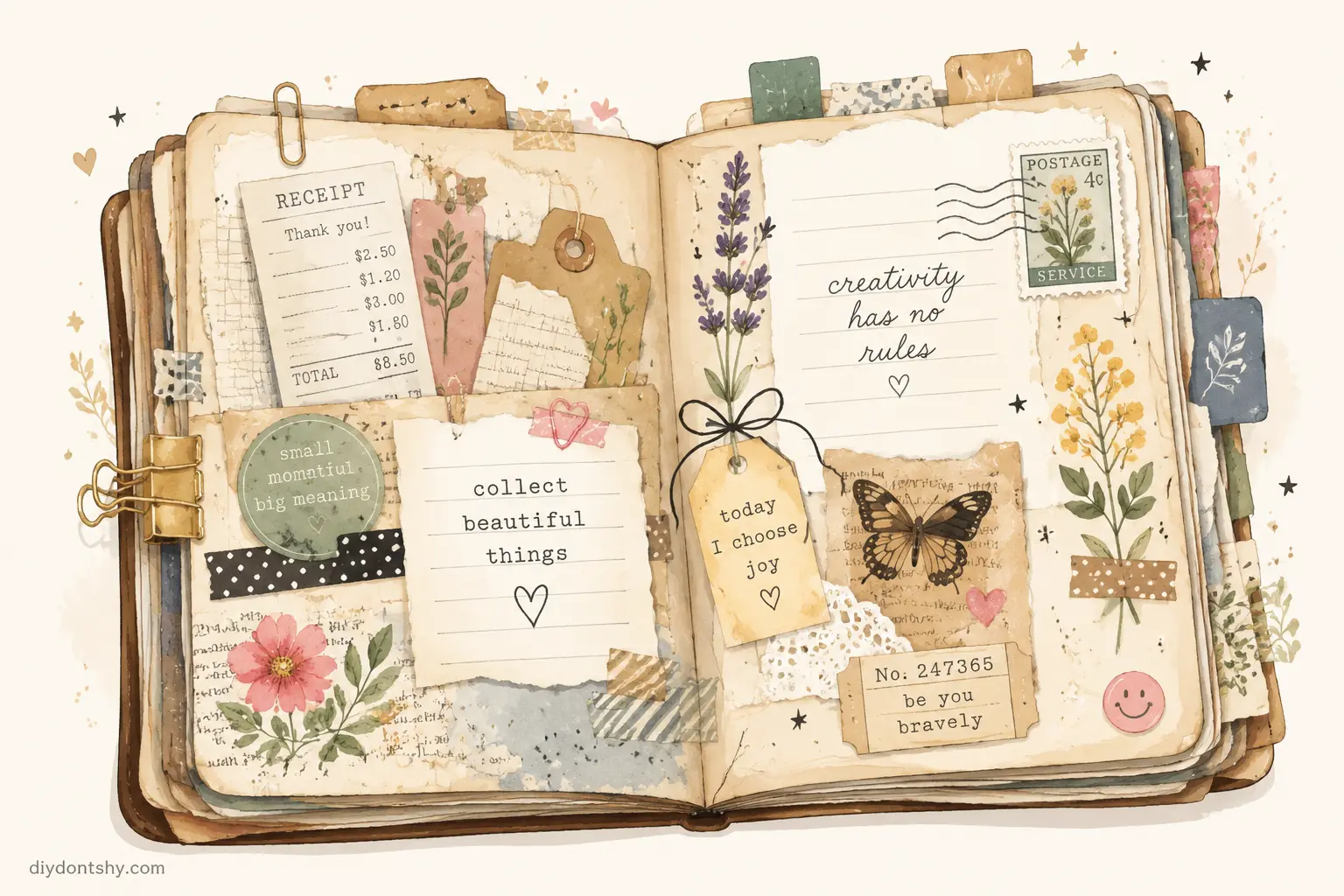
Many creative hobbies come with tutorials, standards, and techniques that can feel intimidating. Junk journaling is different because there are no official rules. Some journals contain mostly writing. Others contain almost no words at all. Some pages are colorful explosions of collage, while others are quiet and minimalist.
This freedom makes the hobby emotionally safe. People can experiment without worrying about doing it “wrong.” Reddit users often describe junk journaling as a practice that gives them permission to create imperfectly. That mindset can feel incredibly liberating in a world obsessed with polished results.
Turning Everyday Objects Into Art
There’s something deeply satisfying about rescuing overlooked items and turning them into something meaningful. Junk journaling trains people to notice beauty in ordinary things. A bakery wrapper with elegant typography suddenly becomes decorative paper. A subway map becomes collage material. A faded handwritten letter becomes an emotional centerpiece.
This creative reframing changes how people interact with their surroundings. Everyday life starts to feel full of potential inspiration. Many journalers begin collecting paper scraps naturally because they see artistic possibilities everywhere they go.
Everyday Items People Commonly Add to Junk Journals
One of the most fascinating parts of junk journaling is the enormous variety of materials people use. Almost anything flat enough to glue into a notebook can become part of a journal page.
Paper Scraps and Vintage Materials
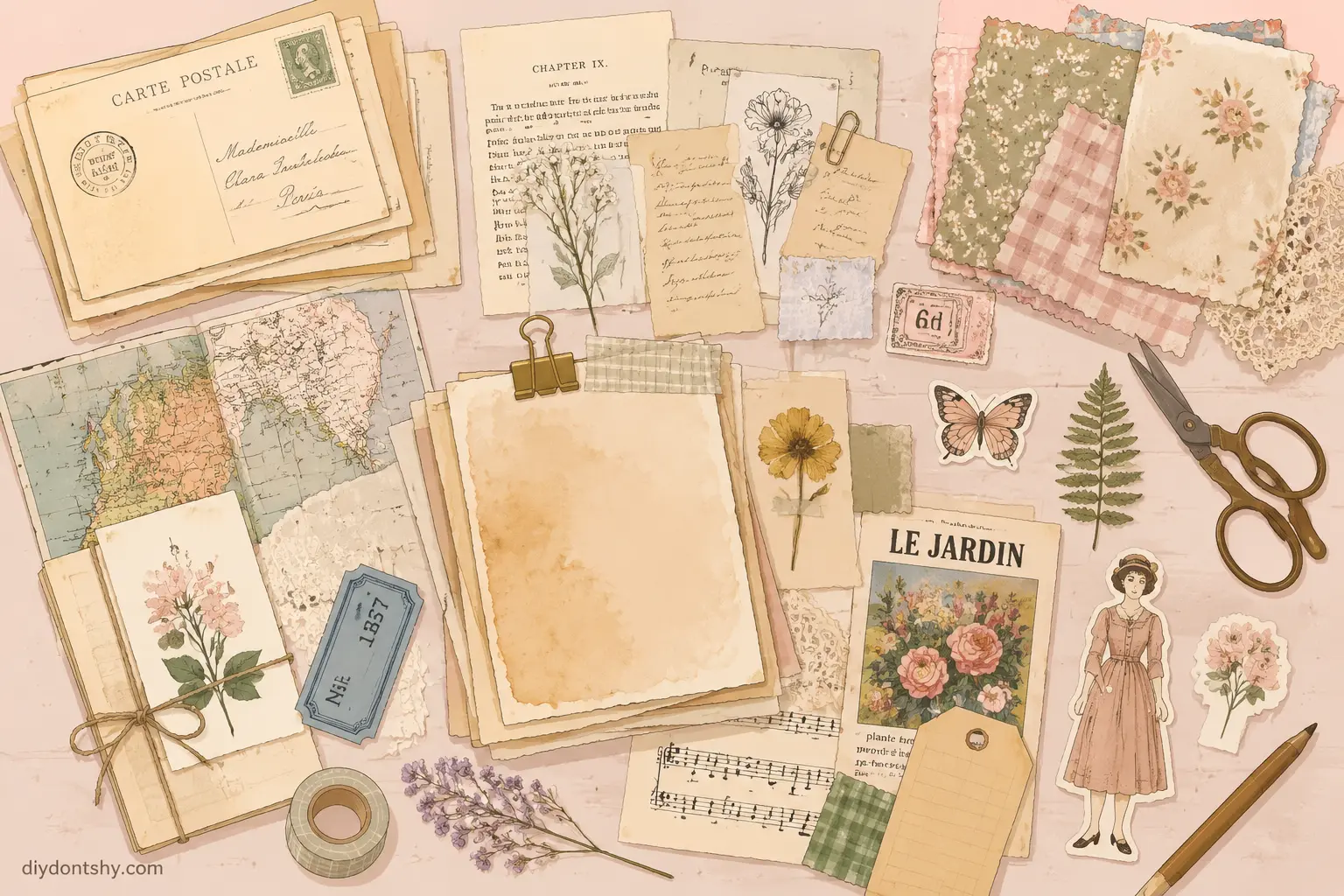
Vintage materials are especially popular because they create texture and nostalgia. Common items include:
- Old book pages
- Maps
- Vintage postcards
- Magazine cutouts
- Tea-stained paper
- Sheet music
- Old receipts
- Fabric scraps
- Wrapping paper
- Newspaper clippings
These materials add depth and personality to each page. A journal begins to look layered and lived-in rather than freshly manufactured.
Personal Keepsakes and Memory Pieces
Personal items often carry the strongest emotional impact. Many journalers include:
- Concert tickets
- Train passes
- Birthday cards
- Handwritten notes
- Restaurant receipts
- Polaroid photos
- Stickers from coffee shops
- Packaging from meaningful purchases
- Pressed flowers
These tiny fragments become physical proof that a moment happened. Unlike digital photos that disappear into phone galleries, junk journals create tactile memory archives that people can revisit years later.
Memory Keeping in a Relaxed and Personal Way
Traditional memory keeping sometimes feels overly formal. Scrapbooks may require careful planning, photo printing, and organized layouts. Junk journaling feels more spontaneous and emotionally honest.
Instead of documenting only major milestones, junk journals often celebrate tiny everyday moments. A favorite café visit, an afternoon walk, or a random funny receipt can become part of the story.
Capturing Small Moments That Matter
Life is mostly made up of small moments rather than huge milestones. Junk journaling helps preserve those ordinary experiences before they disappear into routine. A train ticket from a weekend trip may not seem important at first, but years later it can instantly bring back emotions, smells, conversations, and feelings.
That emotional layering makes junk journals feel alive. They become time capsules filled with textures and memories rather than simple written records.
Emotional Storytelling Through Objects
Objects carry emotional weight in powerful ways. A handwritten grocery list from a loved one can feel more intimate than a polished photograph. A crumpled museum ticket may trigger stronger memories than a social media post about the same day.
Junk journals allow people to tell stories through these fragments. The pages become emotional collages where meaning comes from both the objects themselves and the memories attached to them.
Why Many People Use Junk Journals for Mindfulness
Mental wellness conversations increasingly emphasize slow hobbies and mindful activities. Junk journaling naturally fits into that movement because it encourages focus, creativity, and sensory engagement.
Experts and wellness writers have highlighted how junk journaling can reduce stress, encourage gratitude, and promote mindfulness.
A Creative Escape From Screen Overload
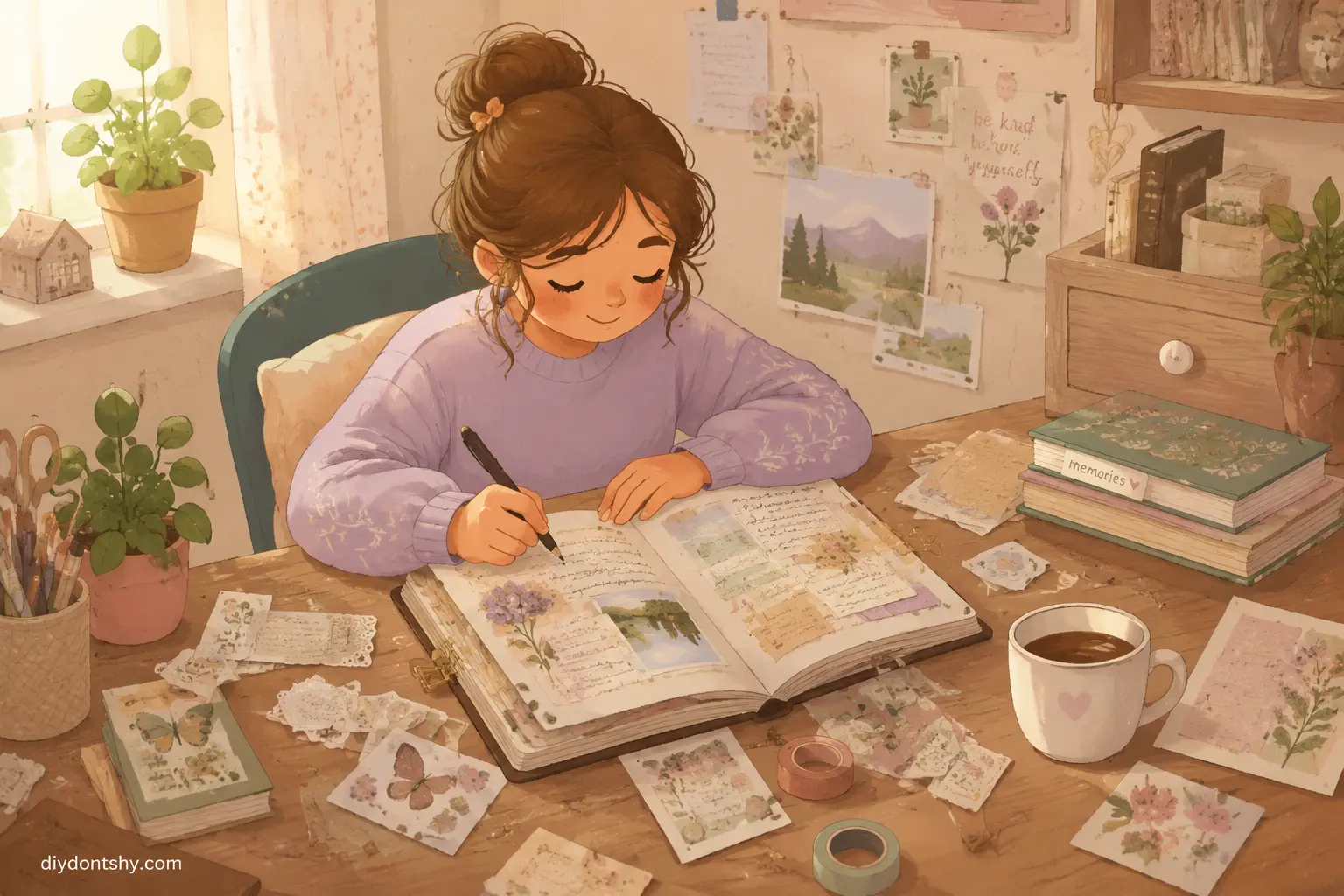
Modern attention spans constantly battle notifications, emails, and endless scrolling. Junk journaling offers a completely different rhythm. Cutting paper, arranging layers, and flipping through textures slows the mind down.
Many people describe the hobby as meditative because it pulls attention into the present moment. You stop worrying about productivity for a while and simply focus on creating something tangible.
How Junk Journaling Helps Reduce Stress
Creative hobbies activate parts of the brain associated with relaxation and emotional processing. Junk journaling combines creativity with reflection, making it especially calming. Even the repetitive actions; cutting, gluing, organizing scraps; can feel soothing.
Interestingly, some people who struggle with perfectionism find junk journaling therapeutic because it encourages imperfection. The pages do not need to look professional. They only need to feel personal.
Turning Scraps and Vintage Finds Into Meaningful Pages
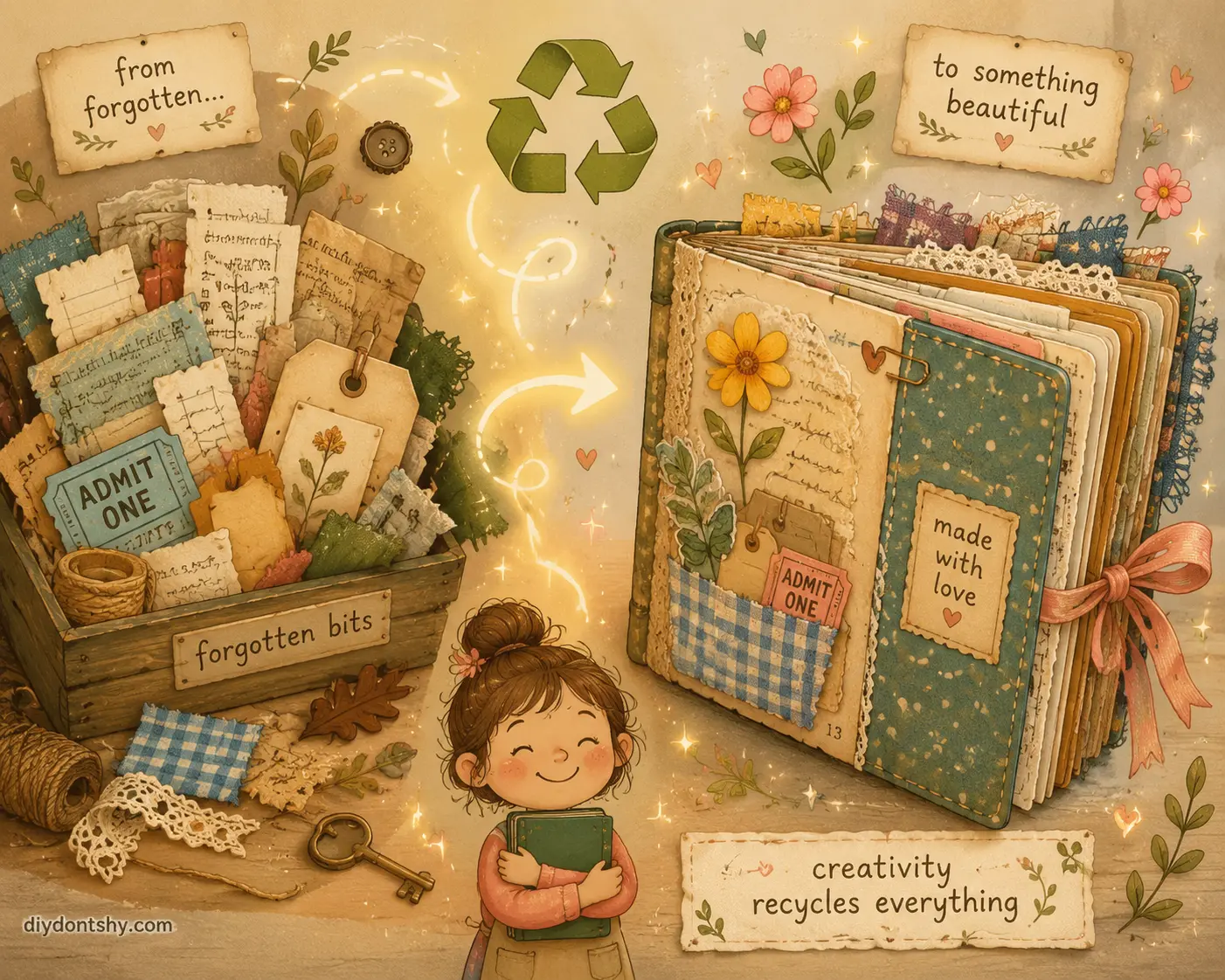
There’s an environmental angle to junk journaling that many people appreciate. Instead of throwing away paper materials, journalers repurpose them creatively.
The Joy of Repurposing Old Materials
Repurposing items creates a sense of continuity. Old letters, maps, tags, and packaging gain new life instead of ending up forgotten in storage or discarded in the trash.
Some creators even hunt for materials at thrift stores, flea markets, antique shops, or secondhand bookstores. Vintage ephemera adds character and history to journal pages, making them feel timeless and layered.
Sustainability and Creative Reuse
Junk journaling aligns naturally with sustainability trends because it encourages creative reuse instead of constant consumption. Many creators intentionally avoid buying excessive supplies and instead challenge themselves to use what they already have.
This approach can completely shift how people think about waste. Packaging, brochures, envelopes, and scraps suddenly feel valuable rather than disposable.
Different Themes That Inspire Junk Journal Designs
One of the most exciting aspects of junk journaling is thematic creativity. Some people keep one large mixed journal, while others create journals dedicated to specific moods or topics.
Vintage, Cottagecore, and Nature Themes
Vintage themes remain incredibly popular because aged paper and antique textures naturally suit junk journaling aesthetics. Cottagecore-inspired journals often include botanical illustrations, pressed flowers, lace, handwritten recipes, and earthy colors.
Nature-themed journals may feature leaves, seed packets, sketches, dried petals, or hiking memorabilia. These journals often feel calm and nostalgic, almost like wandering through an old garden.
Travel, Seasonal, and Personal Growth Themes
Travel junk journals are another favorite style. Boarding passes, postcards, maps, museum tickets, and local receipts become layered travel memories.
Seasonal journals capture moods associated with autumn, winter holidays, spring blooms, or summer adventures. Some people even create emotional growth journals filled with affirmations, reflections, and inspirational quotes.
The possibilities are endless because every journal reflects its creator’s personality.
How Beginners Usually Start Their First Junk Journal
Starting a junk journal is surprisingly simple. Most beginners begin with materials they already own. A blank notebook, glue stick, scissors, and random paper scraps are enough to create the first few pages.
The biggest mistake beginners make is thinking they need expensive supplies or artistic talent. Junk journaling thrives on experimentation. The messy pages are often the most charming because they feel genuine.
A beginner-friendly setup usually includes:
| Basic Supplies | Purpose |
|---|---|
| Notebook or old book | Base journal |
| Glue stick or tape | Attaching materials |
| Scissors | Cutting paper |
| Pens or markers | Writing and decoration |
| Paper scraps | Layering and collage |
| Stickers or stamps | Decorative details |
Many beginners start by saving daily items instead of throwing them away. Receipts, packaging, tags, and notes quickly become creative resources. Over time, journalers naturally develop personal styles and favorite themes.
The best approach is simply to begin. There’s no perfect first page. The beauty of junk journaling comes from the process itself, not flawless results.
Conclusion
Junk journaling is much more than gluing scraps into a notebook. It’s a creative practice rooted in memory, mindfulness, storytelling, and self-expression. In a fast-moving digital world, junk journals offer something deeply human: the ability to slow down and hold onto small moments that might otherwise disappear.
What makes junk journaling special is its flexibility. It can become a calming self-care ritual, a visual diary, an artistic experiment, or a memory archive filled with meaningful fragments of everyday life. There are no strict rules, no perfect layouts, and no requirement to be traditionally artistic. That freedom is exactly why so many people find the hobby emotionally refreshing.
As the popularity of junk journaling continues to grow, more people are discovering the joy of transforming ordinary scraps into pages filled with personality and emotion. A forgotten receipt, a faded postcard, or a pressed flower suddenly becomes part of a larger story. And sometimes, those little pieces of life end up meaning far more than expected.
FAQs
1. What is the main purpose of a junk journal?
The main purpose of a junk journal is creative self-expression and memory keeping. People use junk journals to preserve meaningful scraps, document everyday moments, and enjoy a relaxing artistic hobby.
2. Do you need artistic skills to start junk journaling?
No, artistic skills are not necessary. Junk journaling is intentionally imperfect and flexible. Beginners can start with basic supplies and experiment freely without worrying about creating perfect pages.
3. What materials are commonly used in junk journals?
Common materials include receipts, tickets, vintage paper, magazine clippings, postcards, stickers, packaging, dried flowers, photographs, maps, and handwritten notes.
4. Why is junk journaling considered good for mental health?
Many people find junk journaling calming because it encourages mindfulness, creativity, and reduced screen time. The repetitive crafting process can help lower stress and improve emotional focus.
5. Can junk journaling be environmentally friendly?
Yes. Junk journaling often promotes recycling and creative reuse by transforming discarded materials into art instead of throwing them away.

Kareem Sallam is an Egyptian special writer based in Australia, with a strong interest in practical ideas and creative content that focuses on everyday solutions. He writes clear, engaging articles designed to be easy to follow and useful for a wide range of readers.
His work centers on DIY projects, handmade ideas, simple crafts, and home based creativity. Kareem aims to deliver content that is practical, inspiring, and accessible, helping readers turn simple materials into smart and enjoyable projects.