What Is the Average Size of a Throw Blanket
If you have ever shopped for a throw blanket, you probably noticed something confusing almost immediately. One brand calls a blanket “standard,” another labels the same size “large,” and suddenly you are standing in the aisle wondering whether your sofa needs a cozy accent or a blanket the size of a parachute. The truth is that throw blanket sizing is not as rigid as mattress sizing, but there is still a commonly accepted standard that most manufacturers follow.
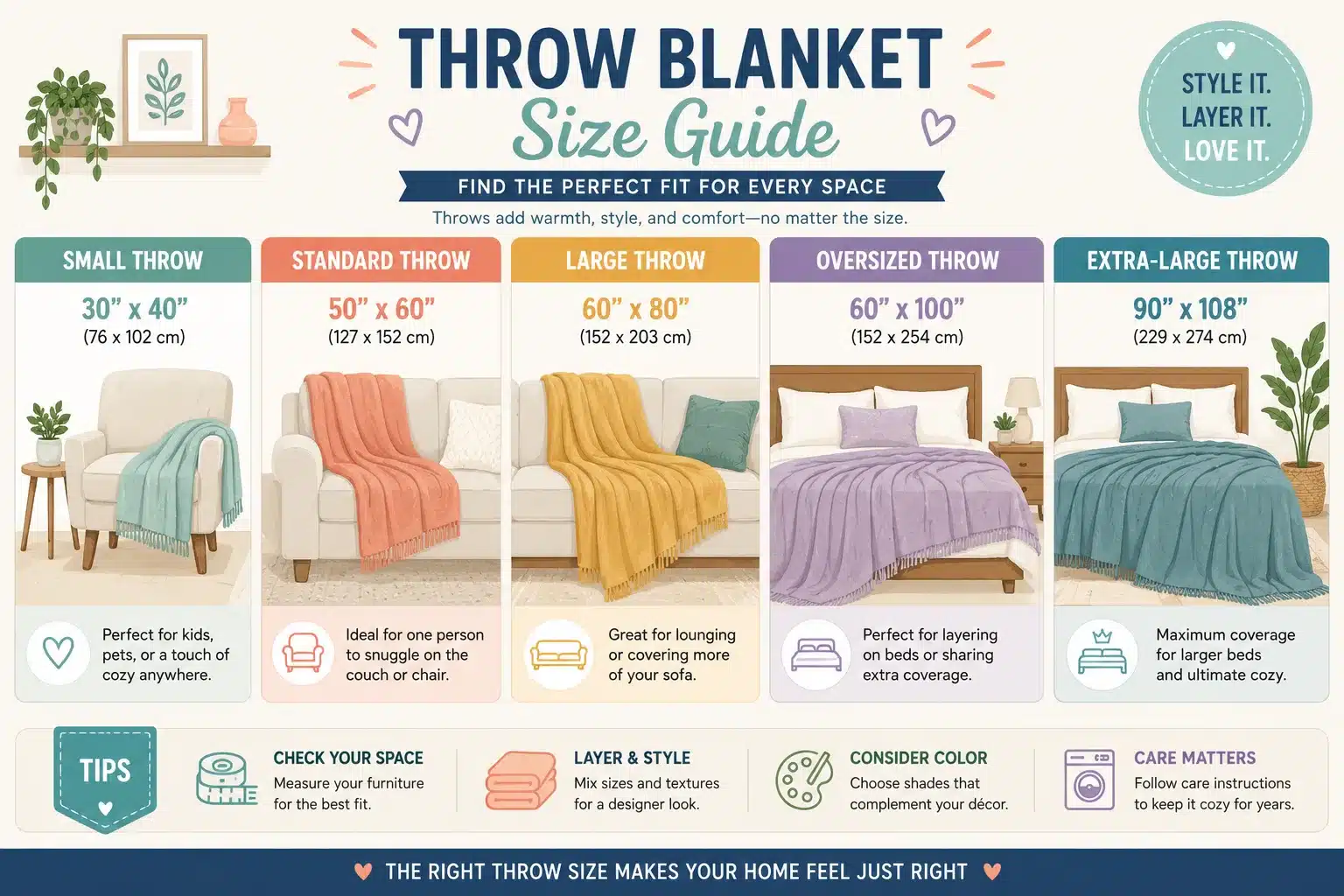
The average throw blanket size is typically 50 x 60 inches. This measurement appears repeatedly across home décor retailers, bedding brands, and textile buying guides.
That size works because it strikes a balance between comfort and convenience. It is large enough to cover one adult sitting on a couch, yet compact enough to drape neatly across furniture without swallowing the room visually.
Think of a throw blanket as the denim jacket of home décor. It is versatile, practical, and casual enough to fit almost anywhere. Unlike bed blankets that are designed to fully cover a mattress and tuck around the body during sleep, throws are intended for lighter coverage. They are meant for curling up during movie night, adding texture to a sofa, or giving your living room that “lived-in but stylish” appearance you see in interior design magazines.
Many homeowners also use throw blankets seasonally. Lightweight cotton throws appear during spring and summer, while chunky knit or faux fur throws dominate during colder months. The dimensions may stay similar, but the feeling changes dramatically depending on the material thickness and texture. That is why understanding blanket size alone is not enough. Coverage, drape, weight, and intended use all play a role in choosing the perfect throw.
The Most Common Throw Blanket Size
The most widely recognized throw blanket dimension is 50 x 60 inches, often considered the industry default.
This size comfortably wraps around one seated adult and looks proportionate on standard sofas and armchairs. Retailers favor it because it works for the broadest range of consumers.
Why Throw Blankets Are Smaller Than Bed Blankets
A throw blanket is designed for flexibility and décor rather than full-body sleeping coverage. Standard bed blankets are significantly larger because they need to hang over mattress edges and stay secure overnight. Throws prioritize portability and visual styling instead.
Contents
Average Throw Blanket Sizes by Category
Not every throw blanket is built the same. Some are tiny lap blankets designed for reading chairs, while others are oversized comfort cocoons capable of covering two adults during a Netflix marathon. Understanding the common categories helps narrow down what size actually fits your lifestyle.
Here is a quick breakdown of standard throw blanket categories:
| Throw Type | Common Dimensions | Best Use |
|---|---|---|
| Small Throw | 36 x 48 inches | Kids, lap coverage |
| Standard Throw | 50 x 60 inches | Sofa lounging |
| Large Throw | 54 x 72 inches | Taller adults |
| Oversized Throw | 60 x 80 inches | Couples, full-body coverage |
| Extra-Large Throw | 70 x 90 inches | Bed layering |
These categories exist because comfort preferences vary wildly from person to person. One individual may want just enough warmth for their legs while working from home, while another wants to wrap themselves like a burrito from shoulders to toes. Reddit discussions about throw blankets often reveal how personal sizing preferences become once people actually start using them daily. Some users argue that standard throws are too short for lounging, while others prefer compact sizes that do not drag onto the floor.
Small throw blankets are especially popular for children and decorative use. They are lightweight, easy to fold, and ideal for accent chairs. Standard throws dominate living rooms because they hit the sweet spot between practicality and aesthetics. Oversized throws have exploded in popularity recently because modern buyers increasingly prioritize comfort-focused home décor. People want blankets that feel immersive rather than merely functional.
The rise of oversized throws also reflects changing furniture trends. Deep-section sofas, oversized recliners, and modular couches require larger blankets to look visually balanced. A tiny blanket on a giant sectional feels awkward, much like a postage stamp on a billboard. Blanket proportions matter more than many shoppers initially realize.
How Sofa Throws Differ From Bed Throws
At first glance, sofa throws and bed throws might seem identical. Both are soft, decorative, and designed for warmth. Yet their differences become obvious once you understand how each is actually used within a room.
A sofa throw is generally designed for casual comfort and visual styling. Its purpose is flexible. It may be folded over a couch arm, tossed across the back cushions, or wrapped around someone watching television. Sofa throws are usually lighter, smaller, and easier to move around. Most standard sofa throws remain close to the classic 50 x 60-inch size because that dimension works well visually on living room furniture.
A bed throw, on the other hand, leans more decorative than practical. These throws often sit at the foot of the bed to add texture, contrast, or color layering. Since beds are wider than sofas, bed throws tend to run larger. Dimensions such as 60 x 80 inches or even 70 x 90 inches are common when the goal is to create a luxurious hotel-style appearance.
There is also a major difference in drape. Sofa throws are expected to move around frequently, so flexibility matters. Bed throws are more static, meaning heavier materials like woven cotton, wool blends, or thick faux fur work better because they stay neatly in place. Interior stylists often recommend oversized throws for king beds because smaller throws can appear visually lost against large bedding setups.
Consumer conversations online repeatedly point out another distinction: warmth expectations. People generally do not expect sofa throws to replace real bedding. They are cozy accessories rather than primary sleeping blankets.
That subtle difference shapes everything from size selection to fabric choice.
Functional Differences
Sofa throws prioritize portability and easy movement, while bed throws focus more heavily on visual balance and layering. One is constantly used; the other often stays styled in place.
Styling and Design Considerations
A throw blanket is not just about warmth anymore. Designers use throws to soften rooms, add texture, and create contrast against furniture materials like leather, linen, or velvet.
Picking the Right Size for Lounging Comfort
Choosing the perfect throw blanket size is a little like buying shoes. The technically correct size is not always the most comfortable one. Personal habits matter. Your height matters. Even the way you sit on the couch matters.
If you mainly use your throw while sitting upright, a standard 50 x 60-inch blanket is usually more than enough. It can wrap around your legs, cover your lap, and still look tidy on the couch afterward. But if you like stretching out fully while watching movies, that same blanket may suddenly feel frustratingly short. Taller adults especially tend to prefer larger dimensions like 54 x 72 inches or 60 x 80 inches.
Oversized throws have become increasingly popular because they eliminate what many people call the “cold feet problem.” A blanket that technically fits while seated may fail completely once someone reclines. Larger throws allow full-body lounging without constant repositioning.
Couples also need to think differently about sizing. Sharing a standard throw usually ends in a tug-of-war worthy of an Olympic event. Oversized throws provide more flexibility and reduce the constant blanket stealing that happens during shared lounging sessions.
Comfort is also psychological. Larger blankets often feel more luxurious and secure, even if the actual warmth difference is minimal. This explains why plush oversized throws continue gaining popularity in modern home décor trends. People associate larger blankets with relaxation and emotional comfort.
Best Sizes for One Person
For solo lounging, a standard 50 x 60-inch throw works well for average-height adults. Taller users or those who like full-body coverage should move toward 60 x 80 inches.
Best Sizes for Couples
Couples usually benefit from oversized throws measuring at least 60 x 80 inches. Anything smaller often creates uneven coverage and discomfort.

Fabric Thickness and Its Effect on Coverage
Blanket dimensions tell only half the story. Fabric thickness dramatically changes how much effective coverage a throw actually provides. Two blankets with identical measurements can feel completely different depending on the material.
Lightweight fabrics like cotton or microfiber drape more fluidly. They spread easily across the body and often feel larger because they contour naturally. Thick knitted blankets, however, consume some of their dimensions through texture and bulk. A chunky knit throw measuring 50 x 60 inches may provide less practical coverage than a thinner fleece throw of the same size.
This becomes especially noticeable with oversized knit blankets. Their thick loops create visual volume, but they also reduce usable surface area slightly. It is similar to comparing a slim winter coat with a puffy parka. Technically they may occupy similar dimensions, but one wraps differently around the body.
Fabric thickness also affects heat retention. Lightweight throws work well for layering and year-round use, while plush sherpa or faux fur throws provide more insulation during winter. Experts reviewing throw blankets consistently emphasize material selection alongside size because warmth perception depends heavily on fabric density.
Maintenance matters too. Heavy materials can become cumbersome to wash and dry, especially with oversized blankets. Many consumers prefer medium-weight throws because they balance warmth, softness, and convenience without feeling overwhelming.
Lightweight Fabrics
Cotton, bamboo, and microfiber throws drape smoothly and feel breathable. They are ideal for warmer climates or year-round use.
Thick Knit and Plush Throws
Chunky knit, sherpa, and faux fur throws create richer texture and warmth but may feel smaller due to their heavier construction.
Throw Blanket Sizes for Kids and Adults
Children and adults obviously have very different comfort needs, yet many buyers overlook this when shopping for throw blankets. A blanket that feels luxurious for a child may barely reach an adult’s knees.
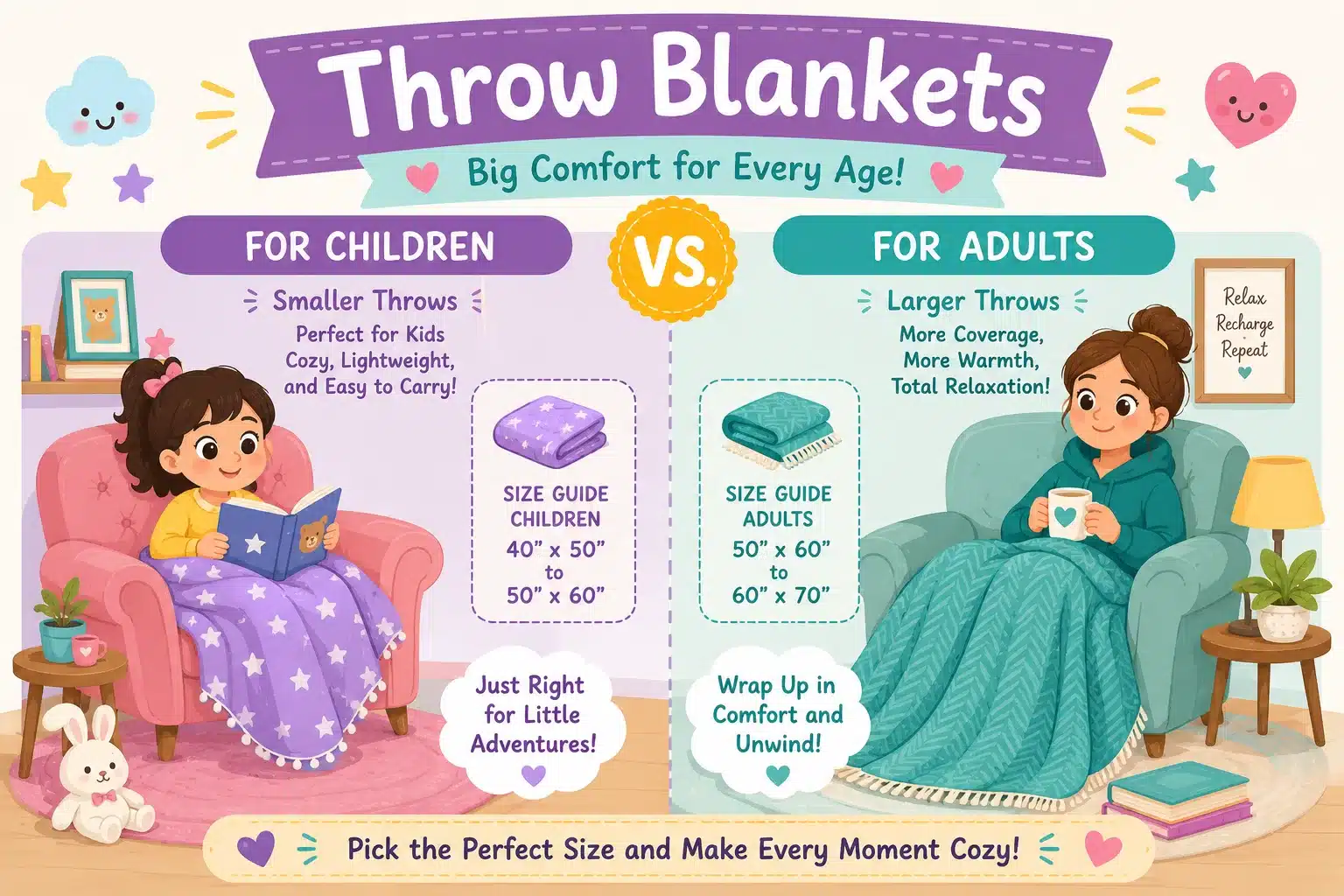
Kids’ throw blankets are usually much smaller, commonly measuring between 36 x 48 inches and 40 x 50 inches.
These dimensions work well because children need lighter, easier-to-handle blankets. Oversized throws can actually become frustrating for young kids because they drag across floors or feel difficult to fold and carry.
Read Also: Average Baby Blanket Size
Children also use throw blankets differently than adults. A child’s throw often becomes part blanket, part fort material, part superhero cape, and part travel companion. Durability and washability therefore matter just as much as dimensions. Parents frequently prefer fleece or microfiber materials because they survive repeated washing without losing softness.
Adults, meanwhile, usually prioritize full-body comfort and aesthetic appeal. Standard adult throw blankets begin around 50 x 60 inches, though many modern shoppers now gravitate toward larger options for extra coziness. Height becomes a major consideration. Someone over six feet tall may find standard throws inadequate for reclining comfortably.
Lifestyle habits also influence sizing decisions. Adults working from home often prefer larger throws that cover both legs and shoulders while sitting at a desk. Others simply want a lightweight decorative accent for occasional use. Blanket shopping becomes easier once you honestly evaluate how the throw will actually be used day-to-day.
Matching Blanket Dimensions to Furniture Proportions
Furniture proportion is one of the most overlooked parts of throw blanket shopping. A blanket can be perfectly comfortable yet still look visually awkward in a room if its dimensions clash with the furniture underneath it.
For standard three-seat sofas, the classic 50 x 60-inch throw usually looks balanced. It can drape naturally over one side without overwhelming the entire couch. Loveseats often work beautifully with slightly larger throws because the added width creates a fuller appearance. Sectionals and oversized modular sofas, however, often require oversized throws to maintain visual proportion. Tiny throws on giant furniture pieces look disconnected and decorative rather than inviting.
Armchairs and recliners are more forgiving. Smaller throws work well because compact furniture naturally creates a cozier appearance. Interior stylists often intentionally use smaller throws on accent chairs to avoid visual clutter.
Read More: King Size Blanket Dimensions
Bed styling follows different rules entirely. A throw placed at the foot of the bed should generally cover around one-third of the mattress width. Anything narrower can appear accidental rather than intentional. This is why king-size beds often require extra-large throws to achieve that polished luxury-hotel aesthetic.
Furniture texture also changes how throws behave visually. Leather couches tend to make blankets slide more easily, while woven fabric upholstery helps throws stay in place naturally. Heavier blankets often work better on smooth furniture surfaces because their weight prevents slipping.
Throws for Sofas and Loveseats
Standard throws suit most sofas, while oversized throws complement sectionals and deep seating arrangements more effectively.
Throws for Chairs and Beds
Accent chairs benefit from compact throws, while beds generally require larger dimensions for balanced visual layering.
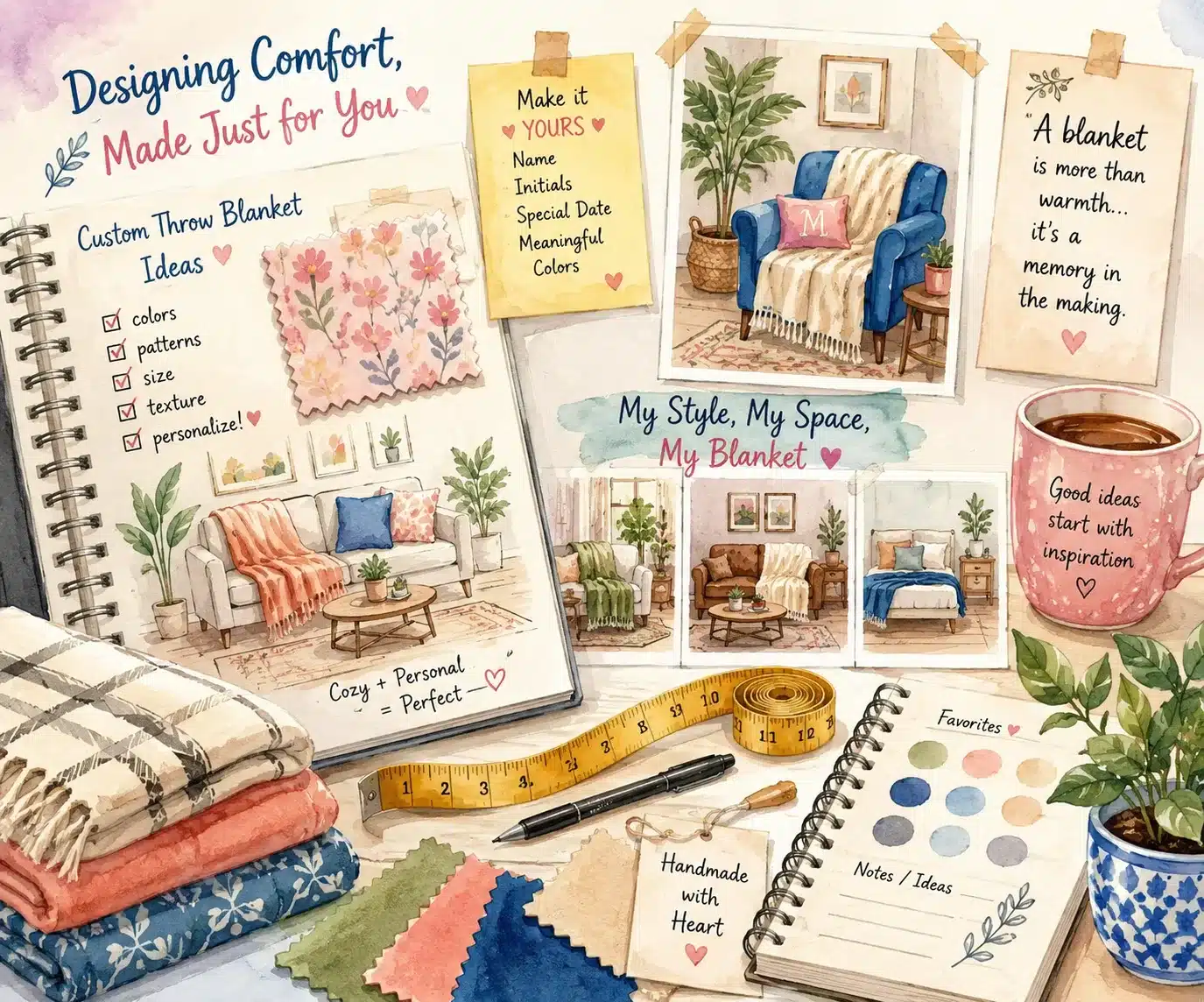
When a Custom Throw Blanket Size Makes More Sense

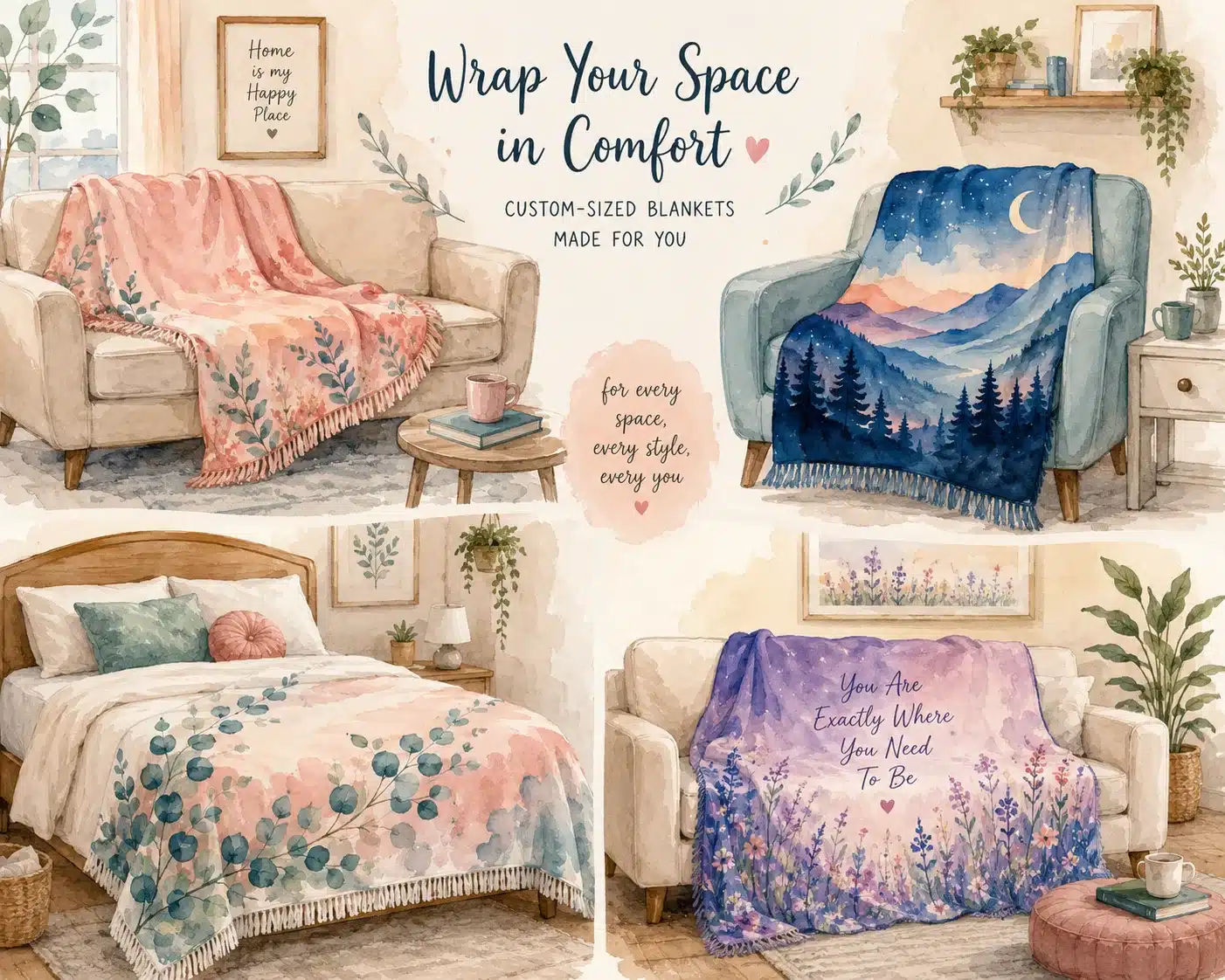
Sometimes standard sizing simply does not work. Maybe your sofa is unusually deep. Maybe you are exceptionally tall. Or maybe you want a blanket specifically designed for outdoor lounging, camping, or oversized sectional seating. This is where custom throw blanket sizes become worth considering.
Custom sizing allows homeowners to solve very specific comfort problems. Tall individuals often struggle with standard throws because full-body coverage becomes impossible without curling awkwardly. Families with giant modular sofas may find even oversized retail throws too small for shared lounging.
Custom throws also matter for design consistency. Interior designers occasionally commission blankets tailored precisely to bed widths or furniture proportions to create a more refined visual effect. A perfectly proportioned throw can make a room feel intentionally styled instead of randomly assembled.
Material choice becomes even more important when ordering custom sizes. Large heavy blankets can quickly become difficult to wash or store. Buyers should think carefully about practicality alongside appearance. There is no point owning a luxurious oversized blanket if it becomes too cumbersome to use regularly.
The growing popularity of oversized comfort-focused home décor suggests custom blanket sizing will likely become even more common in coming years. Consumers increasingly prioritize personalized comfort rather than settling for one-size-fits-all solutions.
Conclusion
The average throw blanket size may technically be 50 x 60 inches, but choosing the right blanket involves far more than memorizing a single number. Your height, furniture size, lounging habits, fabric preferences, and even room aesthetics all influence which dimensions will feel most comfortable in daily life.
Standard throws remain popular because they balance versatility, portability, and visual appeal. They work beautifully for solo lounging, casual décor styling, and everyday comfort. Oversized throws, meanwhile, continue rising in popularity because modern buyers increasingly value immersive coziness and shared comfort.
The best throw blanket is not necessarily the biggest or softest one. It is the blanket that matches how you actually live. Whether you prefer a lightweight cotton throw for summer evenings or a giant sherpa cocoon for winter movie marathons, understanding blanket dimensions helps you choose something that feels intentional rather than disappointing.
FAQs
What is the standard size of a throw blanket?
The most common throw blanket size is 50 x 60 inches, which works well for single-person lounging and sofa styling.
Is a throw blanket big enough for a bed?
Most throw blankets are too small for full overnight bed coverage. They are usually intended for decoration or light lounging rather than primary sleeping warmth.
What size throw blanket works best for couples?
Couples generally prefer oversized throws around 60 x 80 inches or larger to ensure comfortable shared coverage.
Do thick blankets feel smaller?
Yes. Thick knit or plush blankets often provide slightly less usable coverage because their bulky texture consumes some surface area.
Are oversized throw blankets worth it?
Oversized throws are excellent for taller adults, sectional sofas, and people who enjoy full-body lounging comfort. Many buyers find the extra coverage significantly more relaxing.

Kareem Sallam is an Egyptian special writer based in Australia, with a strong interest in practical ideas and creative content that focuses on everyday solutions. He writes clear, engaging articles designed to be easy to follow and useful for a wide range of readers.
His work centers on DIY projects, handmade ideas, simple crafts, and home based creativity. Kareem aims to deliver content that is practical, inspiring, and accessible, helping readers turn simple materials into smart and enjoyable projects.