How to Determine If Paint Is Oil or Latex Before Repainting
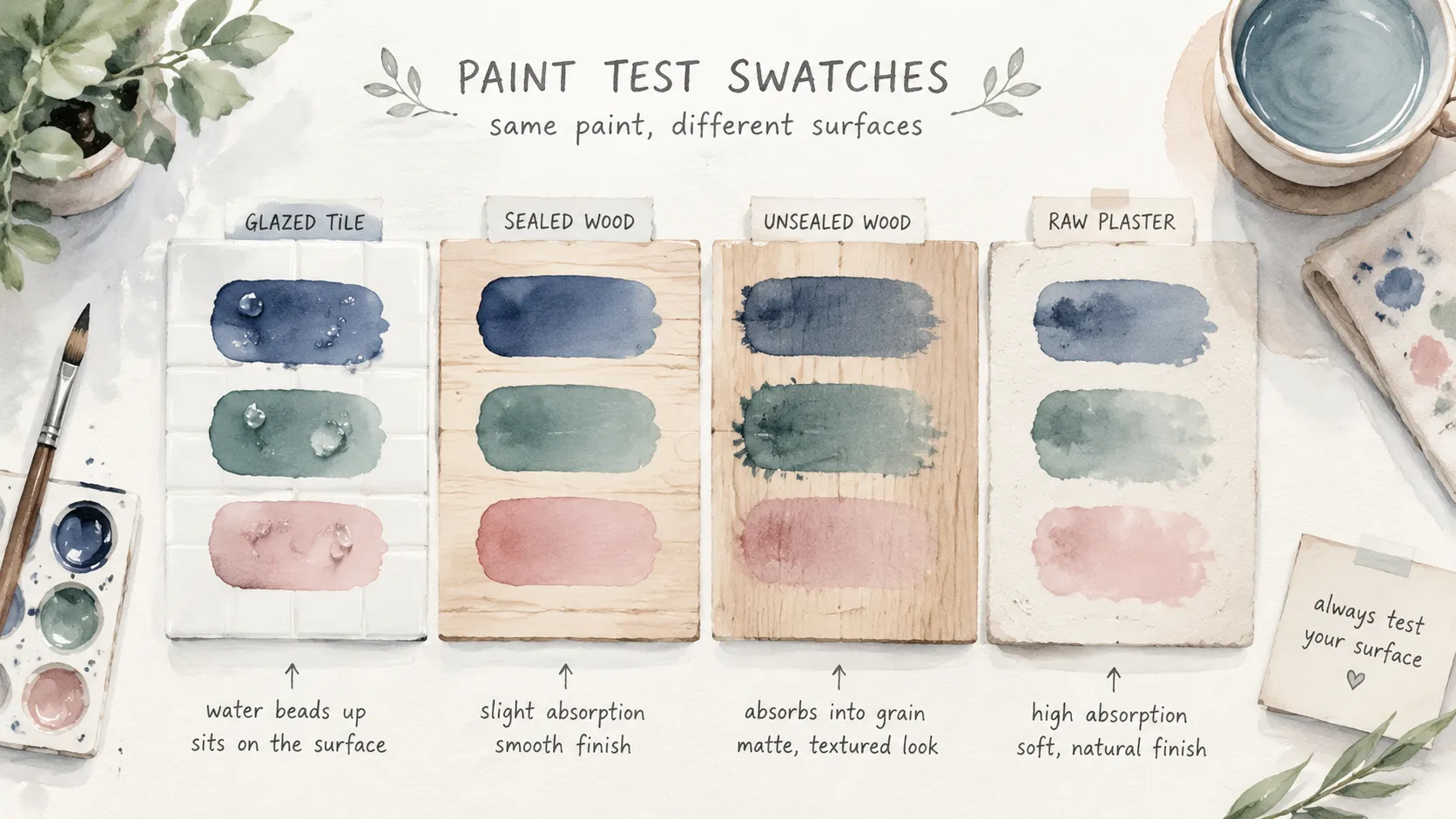
Painting a room sounds easy until you face one important question: what type of paint is already on the surface? That detail can determine whether your new coat adheres properly or starts peeling, cracking, and bubbling months later. Latex paint applied directly over glossy oil-based paint can fail quickly because the two coatings do not naturally form a strong bond.
The challenge is that oil and latex paint can look remarkably similar after they dry. A glossy finish does not automatically mean oil-based paint, and a matte surface does not rule it out. Modern acrylic and water-based enamels can mimic the smooth appearance of traditional oil coatings, while older layers may be hidden beneath several newer coats.
For that reason, appearance should be treated as a clue rather than proof. A simple rubbing-alcohol test can help determine whether the exposed coating is water-based, while surface condition, age, flexibility, and previous paint layers provide additional context. Testing a small inconspicuous area before committing to a repainting method is far safer than discovering an adhesion problem after the entire room is finished.
This guide explains practical ways to identify oil-based and latex paint, what the results mean, and how to prepare the surface before applying a new coating. Whether you are repainting walls, trim, doors, or cabinets, identifying the existing finish first can save substantial time, materials, and rework.
Contents
Why Knowing the Paint Type Matters
Most painting disasters begin long before the brush touches the wall. They start with incorrect assumptions. Homeowners often believe paint is paint, but oil-based and latex paints behave very differently. One is flexible and breathable, while the other cures into a hard shell-like coating. Mixing them improperly is like trying to glue rubber onto glass. It may stick temporarily, but eventually the bond weakens.
Latex paint expands and contracts more easily with temperature and humidity changes. Oil paint dries into a harder and more rigid surface. When latex paint is applied directly over glossy oil paint without sanding or priming, the latex struggles to grip the slick surface. The result can include peeling, bubbling, cracking, or full sheets of paint lifting away from trim and cabinets. According to painting experts, adhesion failure is one of the most common causes of premature repainting.
The financial impact can also be surprisingly large. Repainting a failed surface often means stripping the old coating entirely, sanding aggressively, cleaning residue, priming, and repainting from scratch. That can double or triple the original labor time. Professional painters know this, which is why they almost always test unknown paint before beginning work.
There’s also a safety angle. Older oil paints, especially in homes painted before 1978, may contain lead. Disturbing those layers through sanding or scraping without proper precautions can release hazardous dust into the air. Paint identification is not only about compatibility; it is also about safe renovation practices. When you know what you’re dealing with, every next step becomes smarter and safer.
Understanding the Difference Between Oil and Latex Paint
Oil-based and latex paints differ primarily in their binders, and that difference affects how they dry, feel, clean up, and accept a new coating. Oil-based paints use an oil or alkyd binder and typically cure into a harder, smoother film. Latex paint is water-based and commonly relies on acrylic, vinyl, or acrylic-vinyl resins, giving it greater flexibility and easier cleanup.
Traditional oil paint became popular for trim, doors, and cabinets because it can level smoothly and create a durable finish. Its slower drying time, stronger odor, and need for mineral spirits or another appropriate solvent for cleanup make it less convenient for many modern interior projects.
Latex paint is generally easier to apply because it dries faster, cleans up with water, and produces less odor during normal use. Modern acrylic formulations can also provide excellent durability, especially when the product is selected for the surface and conditions involved.
The biggest identification challenge is that newer water-based acrylic enamels can closely resemble traditional oil-based coatings. A smooth, glossy finish therefore cannot confirm the paint type by itself. The surface may look polished on top while its actual chemistry tells a completely different story.
Why the Surface Finish Can Be Misleading
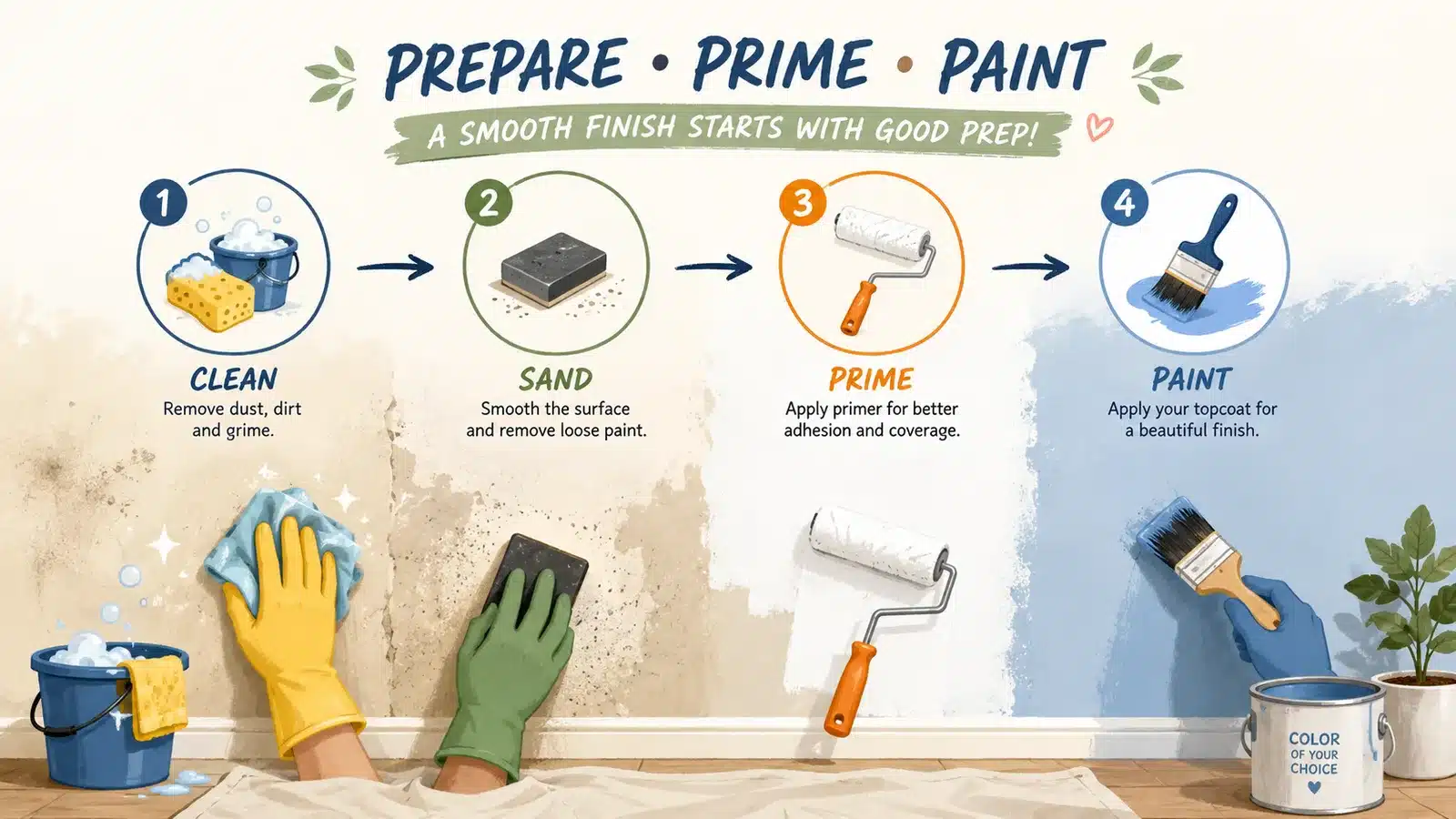
Many people try identifying paint the same way they judge fruit at the grocery store: by appearance alone. Shiny equals oil. Flat equals latex. Unfortunately, paint does not follow such simple rules anymore. Advances in paint technology have blurred the visual differences so effectively that even experienced DIYers can misidentify surfaces.
Traditionally, oil paint tended to appear smoother and glossier. It cured into a hard shell that reflected light almost like polished plastic. Latex paint usually looked softer and slightly textured. That old rule worked reasonably well twenty years ago, but modern paint formulas changed the game. Premium water-based enamels now dry with a sleek factory-like finish that can easily fool the eye.
Professional painters frequently mention that glossy trim is no longer reliable proof of oil paint. Cabinets coated with acrylic enamel can feel nearly identical to older alkyd finishes. Satin wall paint can also resemble aged oil paint after years of dirt buildup and repeated cleaning.
Older layers beneath the surface make things even more confusing. Imagine a wall painted with oil in 1975, latex in 1995, and acrylic enamel in 2015. The outer layer may respond differently than the hidden base coats underneath. That layered history is why proper testing matters so much. Looking at the finish is like judging a book by its cover while ignoring the pages inside.
Texture can offer clues, but it should never be your only method. Oil paint often feels colder, harder, and more glass-like. Latex tends to feel slightly softer or rubbery. Even then, wear, humidity, and multiple repainting jobs can distort those characteristics. Smart painters verify their assumptions with actual tests instead of guesswork.
The Alcohol Test for Identifying Latex Paint
The Alcohol Test for Identifying Latex Paint
A rubbing-alcohol test is one of the quickest practical ways to check whether the exposed paint layer is water-based. You need only rubbing alcohol and a clean cotton ball or soft cloth. Because the test can affect the finish, always choose a small, inconspicuous area first.
How to Perform the Test
- Clean a small test area to remove dust, grease, and other residue, then allow it to dry.
- Dampen a cotton ball or soft cloth with rubbing alcohol.
- Rub the painted surface firmly for about 10 to 15 seconds.
- Check the cloth and the test area for softened or transferred paint.
If the coating softens or transfers onto the cloth, it is likely a water-based latex or acrylic coating. If the surface remains hard and unchanged, it may be oil-based or another solvent-resistant coating. The result should be treated as evidence rather than absolute proof, particularly when several layers of paint are present.
For better confidence, repeat the test in another inconspicuous location. If the results differ, the surface may contain multiple paint layers. Do not assume that the visible topcoat represents every coating underneath it.
Acetone or nail-polish remover can provide additional information in some cases, but stronger solvents can damage finishes more readily. For that reason, rubbing alcohol is a sensible first test, followed by careful confirmation when the result is uncertain.
Other Simple Tests That Reveal the Paint Type
The alcohol test is excellent, but it is not the only tool available. Sometimes older paint layers, heavy topcoats, or unusual finishes can produce uncertain results. In those situations, additional tests help confirm what you are dealing with.
One common method is the scratch or flexibility test. Oil paint tends to crack or chip sharply when scratched because it cures into a rigid shell. Latex paint behaves differently. It often feels slightly softer and may peel or flex instead of snapping cleanly. Painters sometimes compare the difference to snapping dry spaghetti versus bending a rubber straw. The response under pressure reveals the chemistry underneath.
Another clue involves aging patterns. Oil paint frequently yellows over time, especially white trim exposed to low sunlight. Latex paint usually keeps its original color more consistently. If older white trim has a yellow or amber tint, there is a good chance oil paint is present underneath. Several professional painters mention yellowing as a useful visual clue, though not definitive proof.
Acetone testing can also help. Apply a small amount of acetone or acetone-based nail polish remover to a hidden area. If the surface softens quickly, it may indicate latex paint. Oil paint generally resists mild alcohols but can react differently to stronger solvents. Because acetone is stronger, always test cautiously to avoid damaging the finish unnecessarily.
Cleanup instructions on leftover paint cans provide another overlooked clue. Paint products cleaned with water are usually latex-based, while products requiring mineral spirits are oil-based. Even Reddit discussions among experienced painters frequently point to cleanup instructions as the fastest way to decode unlabeled paint products.
Using multiple tests together gives the most accurate answer. A single test may occasionally mislead you, but a combination of alcohol response, texture, flexibility, and aging patterns paints a much clearer picture.
Clues Hidden in Older Layers of Paint
Clues Hidden in Older Layers of Paint
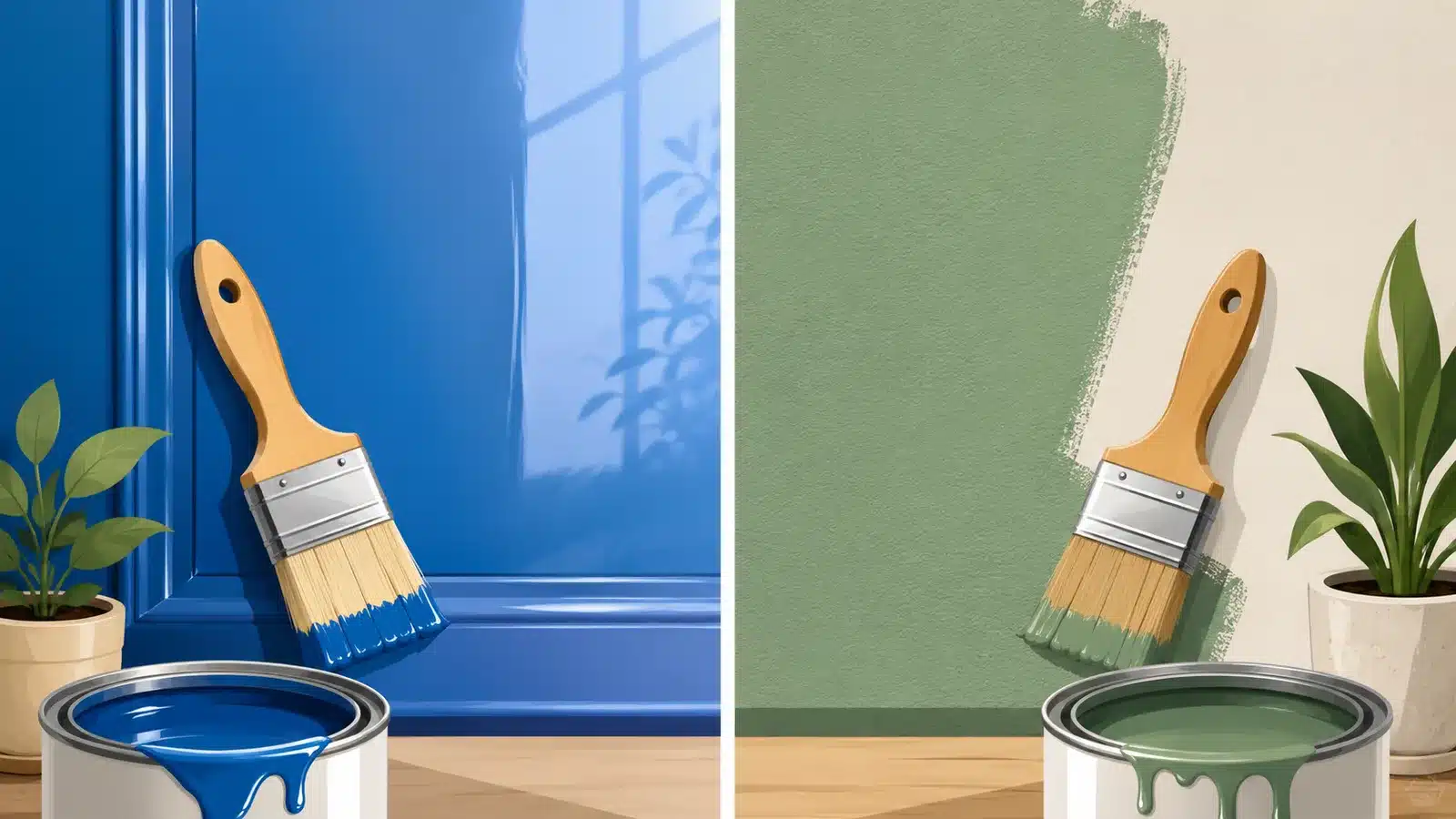
Older homes can contain several generations of paint, so the visible coating may not tell the whole story. A wall, door, or cabinet might have been repainted multiple times, leaving oil-based paint beneath newer latex or acrylic layers. That history matters because preparation requirements depend heavily on the coating you are actually painting over.
Oil-based coatings were widely used on trim, doors, cabinets, and woodwork in older homes because they produced a hard, durable finish. As water-based paints improved, latex and acrylic products became increasingly common because they were easier to apply, dried faster, and offered simpler cleanup.
Look for clues such as brittle cracking, unusually hard films, or multiple distinct layers when inspecting an older surface. An alligator-like pattern of deep cracking can indicate an aged coating, but appearance alone cannot establish whether the paint is oil-based. A solvent test on an inconspicuous spot is a more useful way to investigate the exposed layer.
Lead is a separate safety issue. Homes built or painted before 1978 may contain lead-based paint, regardless of whether the coating is oil-based or water-based. If an older surface may contain lead, avoid creating dust through uncontrolled sanding or scraping. Consider an appropriate lead test and follow current lead-safe renovation practices before disturbing the coating.
This is especially important around windows, doors, trim, and cabinets, where repeated repainting over many years is common. Hidden layers can influence how the new coating bonds, so identifying the surface and assessing its condition before preparation can prevent unexpected adhesion problems.
What Changes With Walls, Trim, and Cabinets
Not every painted surface in a house follows the same rules. Walls, trim, cabinets, and doors often use completely different paint types because they experience different kinds of wear and tear. Recognizing those patterns can help narrow down your identification process.
Walls are now overwhelmingly painted with latex products. Modern homeowners prefer low odor, quick drying times, and easy cleanup. Latex also handles expansion and contraction better on large drywall surfaces. If your walls were painted within the last two decades, there is a strong chance they are latex-based unless someone intentionally chose specialty oil coatings.
Trim is a different story. Older trim frequently contains oil-based paint because oil produces a hard durable finish that resists fingerprints, scuffs, and repeated cleaning. Many painters still associate older glossy trim with oil coatings, especially in homes built before the early 2000s.
Cabinets deserve extra caution because repainting failures happen there constantly. Kitchen cabinets face grease, moisture, scrubbing, and constant touching. Previous painters may have used oil paint for durability or modern acrylic enamel for a similar appearance. The wrong repainting method can cause cabinet doors to peel around handles within months.
Doors also receive heavy abuse. Garage doors, entry doors, and bathroom doors are often painted with tougher finishes. That means you should always test rather than assume. One failed coat on a frequently touched surface becomes obvious very quickly.
Professional painters often treat trim and cabinetry differently from walls because the stakes are higher. Walls can sometimes hide minor adhesion issues for years. Cabinets and trim cannot. Every bump, scratch, and handprint exposes weak bonding immediately.
Common Mistakes During Paint Identification
The biggest mistake homeowners make is relying entirely on appearance. Paint technology has evolved too much for visual guesses to remain dependable. A glossy finish might be acrylic enamel. A matte surface might hide old oil paint beneath newer latex layers. Assuming instead of testing is like diagnosing a car problem by listening through a closed window.
Another major mistake is skipping preparation even after identifying oil paint correctly. Some homeowners believe they can simply paint latex directly over oil if they use expensive paint. Unfortunately, premium paint alone cannot solve adhesion problems. Oil surfaces usually need cleaning, sanding, and bonding primer before latex paint will stick reliably.
Poor cleaning is another hidden issue. Kitchen cabinets and trim collect grease, dust, and invisible oils from hands. Even correctly identified latex surfaces can reject fresh paint if contaminants remain underneath. Paint bonds best to clean dull surfaces, not shiny dirty ones.
Testing incorrectly can also create confusion. Using too little alcohol, rubbing too softly, or testing through heavy grime may produce inaccurate results. Some surfaces contain multiple layers where only the top layer reacts. That’s why professionals often test more than one location before making final decisions.
A surprisingly common mistake involves ignoring old lead paint risks. Aggressive sanding on pre-1978 surfaces without testing first can spread dangerous dust throughout a home. Safety should always come before speed.
Online painting forums are filled with homeowners describing peeling trim, gummy cabinet paint, and bubbling doors caused by improper identification or prep work. Most of those failures could have been prevented with a five-minute alcohol test and proper primer application.
Safely Preparing the Surface for the Next Coat
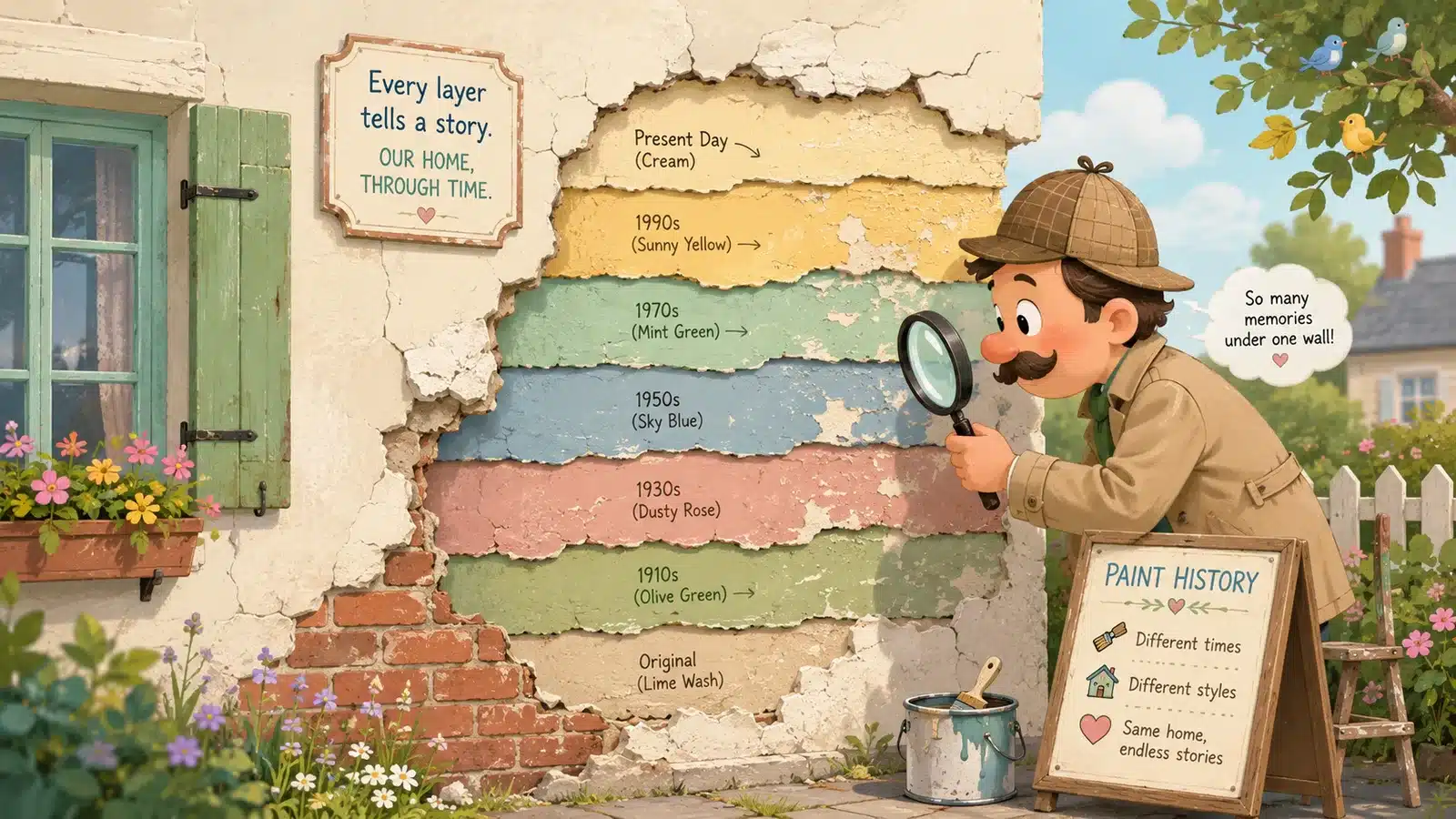
Once you identify the paint correctly, preparation becomes much easier. Think of prep work as building the foundation before constructing a house. No matter how beautiful the final paint color looks, weak preparation eventually causes failure.
Start by cleaning the surface thoroughly. Dirt, grease, soap residue, and oils interfere with paint adhesion. Mild detergent or degreasing cleaners work well for most interior surfaces. Kitchens and cabinets may require stronger degreasers because cooking residue can build up invisibly over time.
Next comes sanding. Glossy oil paint especially needs sanding because slick surfaces resist bonding. Sanding creates microscopic scratches that help primer and paint grip the surface mechanically. You do not need to remove every old layer completely, but you should dull the shine thoroughly.
After sanding, apply the correct primer. Bonding primers are specifically designed to help latex paint adhere to oil-based surfaces. Many professional painters recommend this step as non-negotiable when transitioning from oil to latex. Skipping primer is like trying to ice a cake without crumb coating it first. It may look fine briefly, but problems eventually show through.
Ventilation also matters. Even modern paints release fumes during drying. Open windows, use fans, and wear protective masks when sanding old surfaces. If lead paint may exist, follow proper containment procedures and avoid dry sanding whenever possible.
Choosing the right finish for the new coat is equally important. Durable acrylic latex enamels now provide many of the advantages once exclusive to oil paint. They dry harder than traditional wall latex while remaining easier to clean and maintain than true oil products.
The goal is not just repainting successfully today. It is ensuring the finish still looks solid years from now.
Conclusion
Identifying whether paint is oil or latex is one of the most important steps before repainting any surface. Skipping that step can lead to peeling, cracking, bubbling, and costly rework that turns a simple weekend project into a frustrating repair job.
The good news is that paint identification is not complicated once you know the right techniques. The rubbing alcohol test remains one of the fastest and most reliable methods available. Combined with clues like surface texture, age, flexibility, yellowing, and hidden paint layers, it becomes much easier to determine what type of coating already exists.
Walls, trim, cabinets, and doors all behave differently because they were often painted for different purposes. Older trim and cabinetry commonly contain oil-based coatings, while modern walls usually rely on latex paint. Understanding those patterns helps prevent bad assumptions.
Preparation matters just as much as identification. Cleaning, sanding, and priming correctly create the strong foundation needed for durable repainting. A little extra effort before painting can prevent years of peeling and frustration afterward.
Paint may seem simple on the surface, but underneath every layer is chemistry, history, and craftsmanship. Knowing what lies beneath is the secret to making the next coat last.
FAQs
1. Can latex paint be applied over oil paint?
Yes, but only with proper preparation. The surface should be cleaned, sanded, and coated with a bonding primer before applying latex paint. Without preparation, peeling and adhesion failure are very likely.
2. What is the easiest way to tell if paint is latex or oil?
The rubbing alcohol test is the easiest method. Rub alcohol on a hidden area with a cotton ball. If paint comes off, it is likely latex. If nothing happens, it is probably oil-based paint.
3. Why does oil paint feel different from latex paint?
Oil paint dries into a harder and smoother surface, while latex paint stays slightly more flexible. Oil often feels slick and glassy, whereas latex may feel softer or rubbery.
4. Is glossy paint always oil-based?
No. Modern latex and acrylic paints can produce glossy finishes that closely resemble oil paint. Appearance alone is no longer a reliable identification method.
5. Should older paint be tested for lead before sanding?
Yes. Homes painted before 1978 may contain lead paint. Testing before sanding or scraping is strongly recommended to avoid spreading hazardous dust.

Kareem Sallam is an Egyptian special writer based in Australia, with a strong interest in practical ideas and creative content that focuses on everyday solutions. He writes clear, engaging articles designed to be easy to follow and useful for a wide range of readers.
His work centers on DIY projects, handmade ideas, simple crafts, and home based creativity. Kareem aims to deliver content that is practical, inspiring, and accessible, helping readers turn simple materials into smart and enjoyable projects.