How to Wrap a Gift Bag with Tissue Paper Step by Step
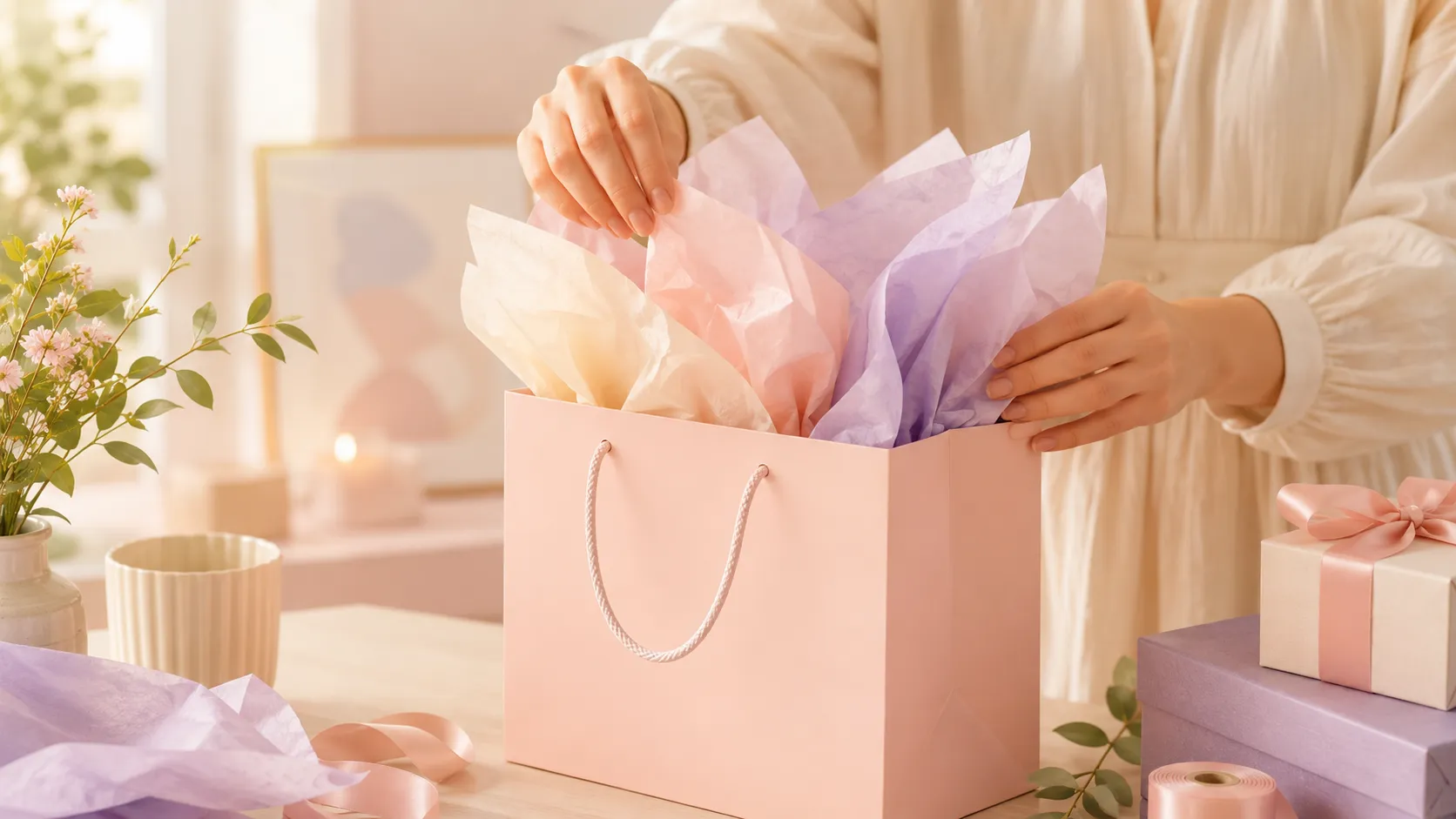
Giving someone a gift is about more than what’s inside the bag. The presentation matters just as much as the surprise itself. Think about it for a second. Have you ever received a beautifully wrapped gift and instantly felt more excited before even opening it? That’s the magic of thoughtful packaging. A simple gift bag with properly arranged tissue paper can transform an ordinary present into something that feels polished, expensive, and deeply personal.
Gift wrapping trends in 2026 are leaning heavily toward minimalist elegance, layered textures, and eco-conscious presentation styles. Recent wrapping industry reports show that neutral tones, coordinated color palettes, and reusable materials are dominating modern gifting aesthetics. At the same time, people still love classic fluffy tissue paper because it adds softness, mystery, and visual excitement without costing much money.
The good news? You don’t need professional crafting skills to make a gift bag look stunning. Most people assume fancy gift bags require complicated folding methods or expensive accessories, but the truth is much simpler. Small techniques; like proper tissue placement, color layering, and controlled fluffing; can make even a cheap paper bag look boutique-quality. Whether you’re preparing a birthday present, holiday gift, wedding favor, baby shower package, or a last-minute thank-you present, learning how to wrap a gift bag with tissue paper instantly upgrades your presentation skills.
Contents
Why Tissue Paper Makes Gift Bags Look More Professional
A gift bag without tissue paper feels unfinished. It’s like serving a beautiful cake without frosting. Technically, the gift is still there, but the experience loses its emotional impact. Tissue paper acts as the bridge between practicality and beauty. It conceals the gift, creates anticipation, and gives dimension to the overall presentation. That’s why professional stores and luxury boutiques almost always include layered tissue paper in their packaging.
Psychologically, presentation affects perceived value. Studies in consumer behavior consistently show that attractive packaging increases emotional attachment and excitement. Even inexpensive gifts appear more meaningful when wrapped carefully. A neatly styled gift bag tells the recipient that effort was involved. It communicates thoughtfulness before they even touch the actual present.
Many people make the same mistakes when using tissue paper. They either shove crumpled sheets randomly into the bag or use far too much paper, creating a chaotic appearance. Others flatten the paper too neatly, which removes volume and elegance. According to recent gift-wrapping tutorials and community discussions, the most visually appealing gift bags balance structure with softness. Tissue paper should look airy and intentional rather than stiff or messy.
Another reason tissue paper matters is practicality. It cushions delicate items, fills empty space, and prevents oddly shaped gifts from shifting around inside the bag. Retail packaging experts recommend using layered sheets strategically rather than stuffing large quantities into the bag. That approach not only looks cleaner but also reduces waste. In today’s eco-conscious world, presentation that combines style with sustainability feels far more modern and responsible.
Choosing Tissue Paper That Matches the Occasion
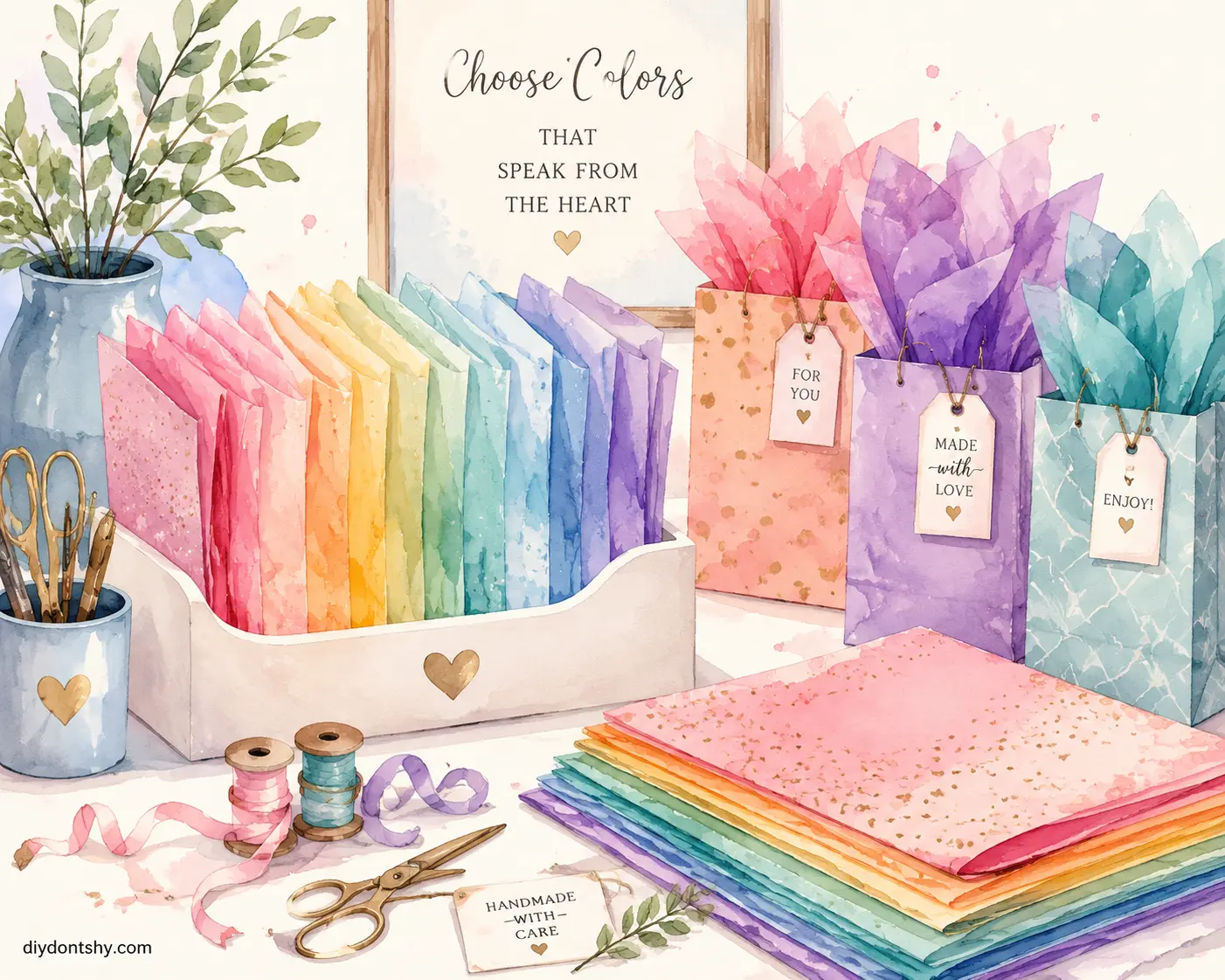
Color selection changes everything. The exact same gift bag can look playful, romantic, luxurious, festive, or elegant depending on the tissue paper colors you choose. That’s why matching tissue paper to the occasion is one of the easiest ways to elevate your gift presentation instantly.
For birthdays, vibrant shades like bright blue, yellow, coral, hot pink, and lime green create energy and celebration. Kids’ birthdays especially benefit from bold contrasts and playful patterns. Weddings usually lean toward soft neutrals such as ivory, champagne, blush pink, sage green, or metallic gold. Baby showers often use pastel palettes, while holiday gifting tends to incorporate rich seasonal colors like deep red, emerald green, silver, navy, or winter white.
Minimalism has become a major wrapping trend in 2026. Industry reports show consumers increasingly prefer clean monochrome designs over heavily decorated packaging. Neutral tissue paper paired with matte gift bags creates a luxury aesthetic without requiring elaborate decorations. A cream-colored bag with crisp white tissue paper and a satin ribbon can look far more sophisticated than a glitter-covered bag overloaded with embellishments.
Layering colors also creates depth. One of the easiest professional tricks is combining two complementary tissue shades. For example:
| Occasion | Recommended Color Pairings |
|---|---|
| Birthday | Yellow + Orange |
| Wedding | Ivory + Gold |
| Baby Shower | Pale Blue + White |
| Christmas | Red + Metallic Gold |
| Graduation | Black + Silver |
| Valentine’s Day | Blush Pink + Burgundy |
Gift presentation experts recommend avoiding overly busy combinations unless the occasion specifically calls for maximalist styling. Too many competing patterns can overwhelm the eye and distract from the actual gift.
Texture matters too. Matte tissue paper feels modern and refined, while metallic or glitter tissue creates drama and sparkle. Patterned tissue works best when paired with one solid color rather than multiple prints. Think of tissue paper like fashion accessories. A single statement piece works beautifully, but too many bold elements competing together create visual clutter.
Folding Techniques That Make Gift Bags Look Neater
Most people underestimate how much folding technique affects the final appearance of a gift bag. You can use expensive tissue paper, premium bags, and luxury ribbons, but poor folding will still make everything look rushed. Fortunately, a few easy techniques can instantly make your presentation look professionally styled.
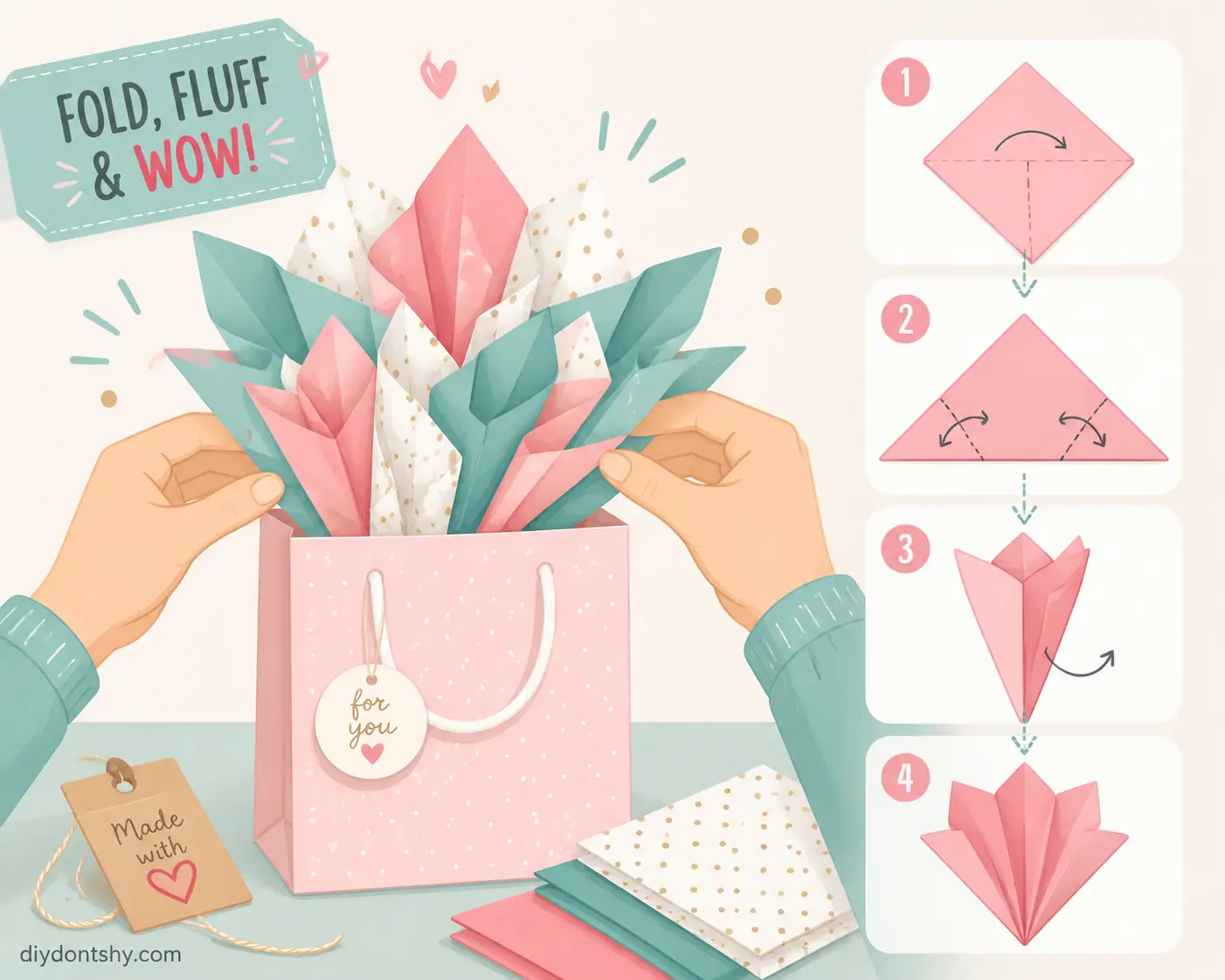
The most popular method today is the pinch-and-fluff technique. Multiple recent tutorials highlight this as the easiest and most effective approach. Instead of folding the tissue flat, lay the sheet open, pinch the center gently, and lift upward so the paper naturally drapes downward like flower petals. Flip it upside down and place the pointed section into the bag. The upper edges naturally spread outward, creating soft fullness without looking forced.
This technique works because it embraces imperfection. Tissue paper shouldn’t resemble sharp origami unless you’re going for an ultra-modern style. Slight wrinkles and uneven curves actually create softness and realism. It’s similar to arranging flowers. Perfect symmetry often looks artificial, while natural variation appears elegant.
Another excellent approach is fan folding. This method works beautifully for weddings, luxury gifts, or corporate presentations. Fold the tissue back and forth accordion-style, then gently spread the edges apart before placing it inside the bag. Fan folding creates dramatic height and structure while using surprisingly little material. It’s especially effective in tall narrow gift bags where vertical presentation matters more than width.
For boutique-inspired styling, try layered corner folding. Place two or three tissue sheets slightly offset from one another, then fold the corners inward at varying angles before placing them into the bag. The layered edges create dimension and make the bag appear fuller. Luxury stores often use this exact technique because it gives the illusion of complexity while remaining incredibly simple.
One overlooked detail is proportion. Tissue paper should extend slightly above the bag opening but not tower excessively high. Overstuffed tissue paper can make the presentation feel chaotic. Underfilled bags look unfinished. Most wrapping professionals recommend tissue height that sits roughly one-third above the bag opening for balanced visual proportions.
Creating Height and Volume Without Wasting Paper
People often assume that fuller gift bags require huge amounts of tissue paper. That’s rarely true. In reality, strategic placement matters far more than quantity. A few properly arranged sheets can create impressive volume while keeping costs low and reducing unnecessary waste.
Recent packaging guides emphasize using fewer sheets more intentionally. Small gift bags may only require one sheet, medium bags usually need two, and larger bags often look best with three or four carefully positioned pieces rather than massive overstuffing. The trick is maximizing air and spacing between folds.
Think of tissue paper like whipped cream rather than mashed potatoes. Volume comes from lightness and structure, not density. When tissue paper is tightly compressed, it loses visual impact. Gently separating layers creates the illusion of fullness without additional material.
Positioning matters enormously. Instead of placing all tissue paper directly in the center, angle different sheets toward opposite corners of the bag. This spreads visual fullness evenly across the opening. Layering paper diagonally also creates movement, making the arrangement look more dynamic and intentional.
Another smart technique involves hidden filler beneath the gift. Crumpled kraft paper, recycled tissue, shredded paper, or even reusable fabric can elevate smaller items so they sit closer to the top of the bag. This reduces the need for excessive visible tissue paper while maintaining a full appearance. Sustainability-focused wrapping discussions increasingly recommend reusable fillers as environmentally friendly alternatives.
You can also manipulate depth by combining textures. For example, placing a crisp folded tissue layer behind softer fluffed sheets creates visual contrast that naturally appears fuller. Boutique packaging designers frequently use this layered-depth approach because it creates richness without clutter.
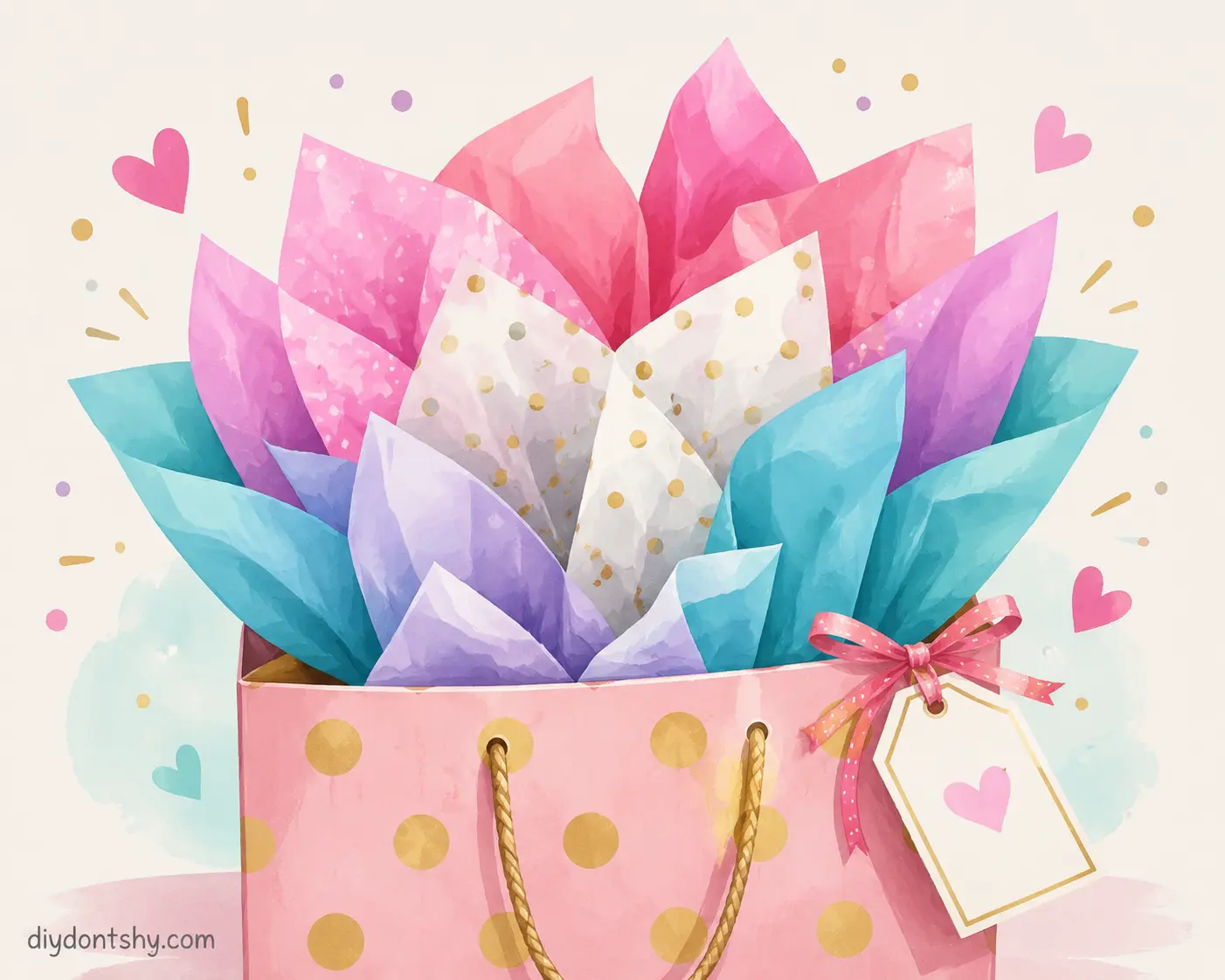
Height becomes especially important with tall bags. Instead of filling the entire interior with paper, place hidden support at the bottom so the gift sits higher naturally. Then use decorative tissue only near the opening. This saves money, reduces waste, and creates a cleaner presentation overall.
How to Hide the Gift While Keeping the Bag Stylish
One of the biggest challenges with gift bags is concealment. Some gifts are oddly shaped, fragile, or immediately recognizable. You want the recipient to feel curious without making the presentation bulky or awkward. Achieving that balance requires a mix of strategic wrapping and artistic layering.
The easiest concealment method involves partially wrapping the actual item in tissue paper before placing it inside the bag. Recent tutorials specifically recommend overlapping multiple sheets around awkward gifts to soften edges and improve coverage. This technique works especially well for clothing, cosmetics, electronics, candles, and irregularly shaped presents.
Transparency control is another important factor. Thin tissue paper can reveal dark objects underneath, especially under bright lighting. Layering two coordinating sheets prevents shadow outlines from showing through. White tissue layered beneath colored paper also increases opacity while preserving brightness.
Stylish concealment depends on balance. Completely burying the gift beneath mountains of paper can feel excessive, while exposing too much ruins anticipation. The ideal setup reveals just enough shape to create intrigue without giving away the surprise. Think of it like a movie trailer; it should tease, not spoil.
For fragile gifts, tissue paper also serves as protective cushioning. Wrapping delicate objects loosely prevents scratches while maintaining an elegant appearance. This works especially well with glassware, perfumes, ornaments, jewelry boxes, or ceramics.
Odd-shaped gifts require creativity. Cylindrical objects often look best wrapped diagonally within tissue before insertion. Flat gifts benefit from layered horizontal folds. Bulky gifts may require strategic side stuffing to maintain balanced proportions inside the bag.
Decorative concealment techniques are becoming increasingly popular in sustainable packaging trends as well. Fabric wraps, scarves, reusable cloth, and decorative napkins are now commonly used instead of excessive tissue waste. These alternatives add elegance while doubling as practical bonus gifts.
Adding Layers for a More Decorative Finish
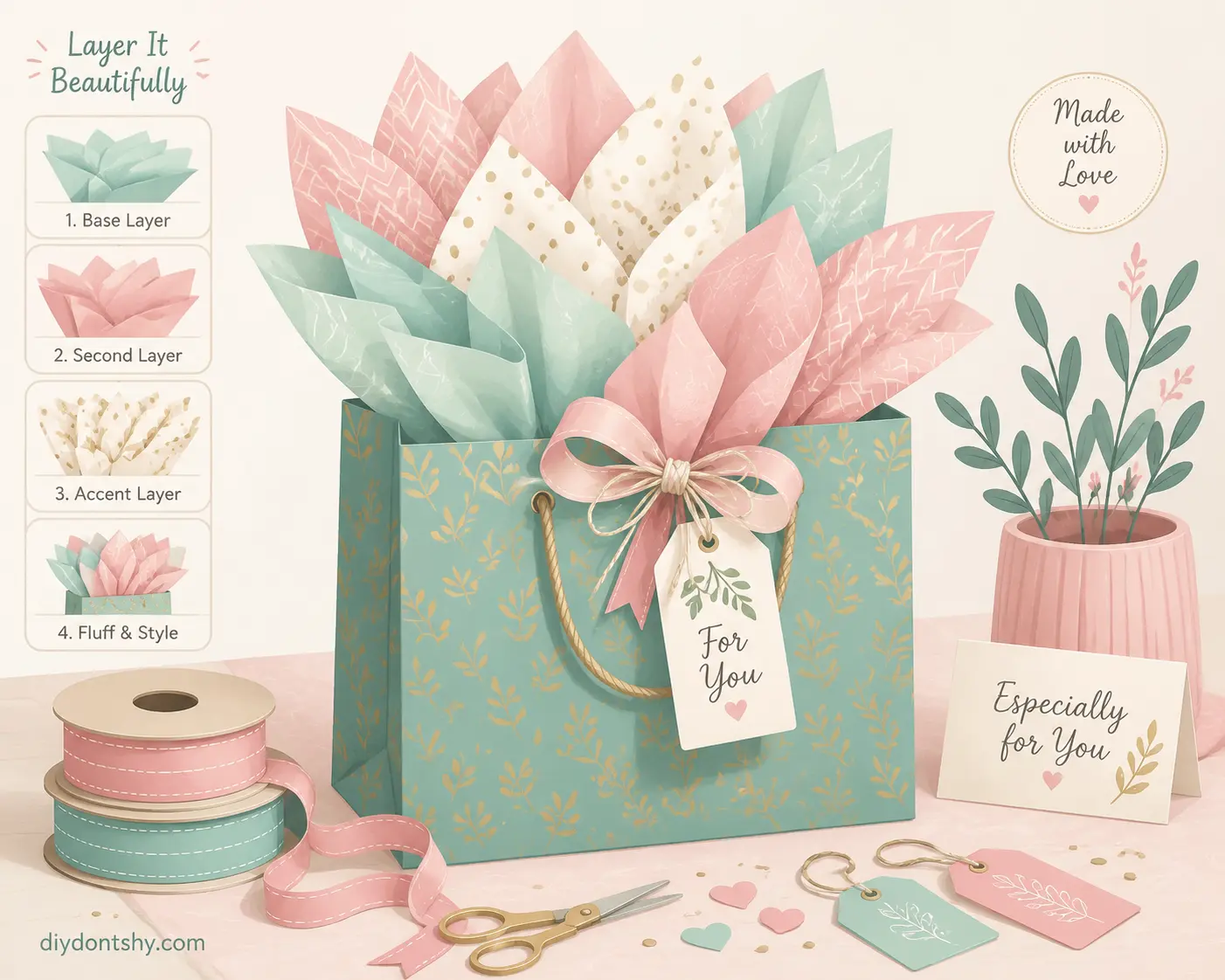
Layering is what separates average gift bags from visually stunning ones. It creates texture, contrast, and depth in a way that feels rich without necessarily being expensive. Even simple dollar-store materials can look upscale when layered thoughtfully.
The easiest layering method combines solid tissue with patterned tissue. For example, pairing plain cream paper with subtle gold polka dots instantly creates sophistication. Patterned tissue should usually remain secondary rather than dominant. Think of it like seasoning in cooking; a little enhances everything, while too much overwhelms the dish.
Ribbon adds another dimension entirely. Satin ribbon creates softness and elegance, while twine produces rustic charm. Velvet ribbon feels luxurious during winter holidays. Minimalist wrapping trends in 2026 strongly favor monochromatic ribbon pairings and clean lines. A black ribbon on a matte white bag can feel dramatically upscale despite its simplicity.
Gift tags are often overlooked, but they dramatically influence presentation. Handwritten tags create warmth and personality, while printed metallic tags add sophistication. Attaching tags directly to ribbon rather than bag handles usually creates a cleaner visual flow.
Natural decorative elements are becoming increasingly popular as well. Experts frequently recommend dried flowers, eucalyptus sprigs, magnolia leaves, cinnamon sticks, or small ornaments as elegant finishing touches. These accessories introduce texture and personality without overwhelming the presentation.
Layering also helps guide visual focus. When the eye moves naturally from ribbon to tag to tissue paper, the overall presentation feels intentional and cohesive. Random decorations scattered across the bag create confusion rather than elegance.
The best decorative finishes often feel restrained rather than excessive. Luxury packaging rarely relies on sheer quantity of embellishments. Instead, it focuses on coordination, proportion, and thoughtful detail placement. A single beautiful ribbon paired with layered tissue paper often looks far more premium than glitter, bows, stickers, and accessories competing simultaneously.
Simple Ways to Make Small Gift Bags Look Full
Small gift bags can be surprisingly tricky. Tiny gifts often sink awkwardly to the bottom, making the bag look empty and disproportionate. Thankfully, there are several easy tricks that create fullness without making the presentation look forced.
The most effective method is hidden elevation. Place filler material beneath the gift so it sits higher naturally. Crumpled kraft paper, recycled tissue, packing paper, or reusable fabric work perfectly. This creates a fuller appearance immediately while requiring far less visible decorative tissue.
Budget-conscious gift wrappers increasingly reuse old tissue paper underneath fresh top layers. Since hidden filler isn’t visible, slightly wrinkled recycled material works perfectly. This approach saves money and supports sustainable wrapping practices at the same time.
You can also use alternative fillers creatively. Reddit users and modern wrapping communities suggest scarves, handkerchiefs, decorative napkins, shredded copy paper, or even reusable cloth as stylish fillers. These options reduce waste while adding uniqueness to the presentation.
Another useful trick involves tissue layering at varying heights. Instead of arranging all tissue evenly, allow one section to rise slightly higher than another. This asymmetry creates visual fullness and movement. Perfectly even tissue often looks flat and lifeless.
Bag shape matters too. Wider bags naturally require more visual balance than narrow ones. In smaller bags, vertical styling usually works better than horizontal spreading because it emphasizes height rather than emptiness.
Tiny gifts benefit enormously from coordinated accessories. A miniature bow, wax seal, ribbon curl, or decorative charm creates visual interest that distracts from the bag’s actual size. Presentation is all about directing attention strategically. If the eye notices beauty first, it rarely notices limited volume.
Last-Minute Fixes for Uneven Tissue Paper
Almost everyone experiences that frustrating final moment when the tissue paper suddenly looks crooked, crushed, or uneven right before giving the gift away. Fortunately, most tissue paper disasters are surprisingly easy to fix within seconds.
The fastest reshaping technique is gentle refluffing. Remove the tissue partially, shake it lightly, and reinsert it using the pinch-and-fluff method. Tissue paper naturally regains volume when air circulates between layers again. Overhandling is often what causes flattened or messy presentation in the first place.
If one side sits higher than the other, resist the urge to stuff additional paper immediately. Instead, reposition the existing sheets diagonally. Small angle adjustments often solve asymmetry without adding clutter.
Wrinkles can sometimes work in your favor. Perfectly crisp tissue paper occasionally appears stiff or artificial, while soft natural folds feel elegant and relaxed. The goal isn’t mathematical symmetry; it’s balanced visual softness.
Emergency styling tricks can save nearly any gift bag. Adding a ribbon near the handles instantly redirects attention upward. Decorative tags create focal points that distract from minor imperfections. Small accessories like dried flowers or ornaments also break up uneven visual spacing effectively.
Lighting matters more than people realize. Metallic tissue reflects light dramatically, which can exaggerate uneven folds. Matte paper tends to hide imperfections more naturally. If your tissue arrangement seems chaotic, softer matte textures often create a calmer appearance.
Professional gift wrappers often use intentional asymmetry strategically. Slightly uneven heights, layered folds, and relaxed curves create natural elegance. Perfect precision can sometimes feel robotic rather than beautiful. Like flower arranging or interior design, gift wrapping works best when structure and softness exist together.
Conclusion
Learning how to wrap a gift bag with tissue paper isn’t really about paper at all. It’s about creating emotion, anticipation, and connection before the gift is even opened. A thoughtfully styled bag transforms a simple object into an experience. It tells the recipient that care, creativity, and attention went into every detail.
The best part is that beautiful gift presentation doesn’t require expensive materials or advanced crafting skills. Small techniques; like proper layering, strategic fluffing, color coordination, and balanced volume; completely change how a gift feels. Whether you prefer minimalist elegance, playful celebration, rustic charm, or luxurious sophistication, tissue paper gives you endless ways to personalize your presentation.
Modern wrapping trends continue moving toward sustainability, intentional styling, and reusable materials. That means thoughtful wrapping isn’t about excess anymore. It’s about smart design choices that maximize beauty while minimizing waste.
At the end of the day, people rarely remember the exact folds or ribbon techniques you used. What they remember is how the gift made them feel. And sometimes, a beautifully wrapped gift bag creates joy before the present inside is ever revealed.
FAQs
1. How many sheets of tissue paper should I use in a gift bag?
Most small gift bags only need one or two sheets. Medium bags usually look best with two to three sheets, while large bags may require four. The key is arranging the paper strategically rather than overstuffing the bag.
2. What is the easiest tissue paper folding technique?
The pinch-and-fluff method is considered the easiest and most popular approach. Simply pinch the center of the tissue paper, lift it upward, flip it upside down, and place it inside the bag for instant volume.
3. Can I reuse tissue paper for gift wrapping?
Yes. Many people reuse tissue paper as hidden filler underneath decorative top layers. Slight wrinkles are perfectly fine for interior support material and help reduce unnecessary waste.
4. What colors of tissue paper look the most elegant?
Neutral tones like white, ivory, beige, sage green, champagne, and soft gray currently dominate luxury gift-wrapping trends. Metallic gold and silver accents also create upscale presentation when used sparingly.
5. How do I keep tissue paper from looking messy?
Avoid crumpling the paper tightly. Instead, use soft folds, gentle fluffing, and balanced placement. Repositioning sheets diagonally usually creates a cleaner and fuller appearance than stuffing paper directly into the center.

Kareem Sallam is an Egyptian special writer based in Australia, with a strong interest in practical ideas and creative content that focuses on everyday solutions. He writes clear, engaging articles designed to be easy to follow and useful for a wide range of readers.
His work centers on DIY projects, handmade ideas, simple crafts, and home based creativity. Kareem aims to deliver content that is practical, inspiring, and accessible, helping readers turn simple materials into smart and enjoyable projects.